
 Business License

Common defects and causes of formation of stainless steel
During the processing of stainless steel, various defects may occur. The causes of these defects are diverse, including improper heating, forging issues, welding problems, etc. Here are some common defects of stainless steel and their causes:
1. Defects caused by improper heating:
1) Coarse grains: When ferritic stainless steel forgings are heated, the grains tend to grow, resulting in a decrease in the steel's impact toughness and an increase in brittleness.
2) Increased ferrite content: When the heating temperature of austenitic duplex steel and martensitic steel is too high, excessive austenite will form, reducing the processing plasticity of the alloy and potentially causing forging cracks.
3) Formation of low-melting-point compounds: When sulfur penetrates into stainless steel, it reacts with nickel to form low-melting-point sulfides. These sulfides are distributed at the grain boundaries and are prone to cause intergranular cracks during forging.
2. Defects caused by forging:
1) Inappropriate design of the mold structure: There is a significant shear stress between the area of intense metal flow and the area with difficult deformation, coupled with defects caused by poor mold lubrication.
2)Excessive metal flow rate: This causes local overheating, resulting in excessive austenite. If the fillet radius at the deformation corner is too small, cracks will form at the corner.
3. Welding Defects:
1) Welding seam dimensions do not meet requirements: The weld height and height difference, weld width and width difference, etc., do not conform to the dimensions specified by the standards, which affects the bonding strength between the weld and the base material.
2) Edge Burning: Due to incorrect selection of welding process parameters or improper operation techniques, a groove or depression is formed by the molten material along the base metal at the weld toe, which reduces the strength of the welded pipe joint and is prone to cause cracks due to stress concentration.
3) Lack of Penetration: This refers to the phenomenon where the root of the welded joint does not fully melt through, which leads to stress concentration and is prone to causing cracks.
4. Other Defects:
1) Surface defects: These include oxide scale inclusions, indentation and rolling marks, scratches and grooves, heavy scale, bubbles, hot cracks, inclusions, etc. These defects affect the surface quality and performance of stainless steel.
2) Stretching defect: When austenitic stainless steel undergoes plastic deformation, as the deformation amount increases continuously, the content of martensite induced also rises, resulting in the formation of tiny cracks within the material, which eventually develop into macroscopic visible cracks.
The methods for preventing and resolving these defects include optimizing the heating and forging processes, selecting appropriate welding parameters and techniques, improving the quality of mold design, and controlling the stress during the welding process, etc.
Recently Posted
-
Does the stainless steel welded pipe have specific temperature requirements during the solution heat
January 20, 2026Solution heat treatment involves heating stainless steel to a high temperature and then rapidly cooling it to achieve an oversatur Read More
 -
Can stainless steel welded pipes be made into thick pipes
January 20, 2026With the improvement of high-quality welding technology and increasingly strict weld inspection, the application fields of s Read More
 -
Three types of commonly available food-grade stainless steel on the market
January 20, 2026The common food-grade stainless steel pipes are mainly composed of iron, chromium and carbon and other elements. Household stainle Read More
 -
What are the requirements for stainless steel welding pipe production equipment
January 20, 2026As is well known, stainless steel welded pipes have been widely used in various industries such as machinery, chemical engineering Read More

Contact Us
Recommended Products
-
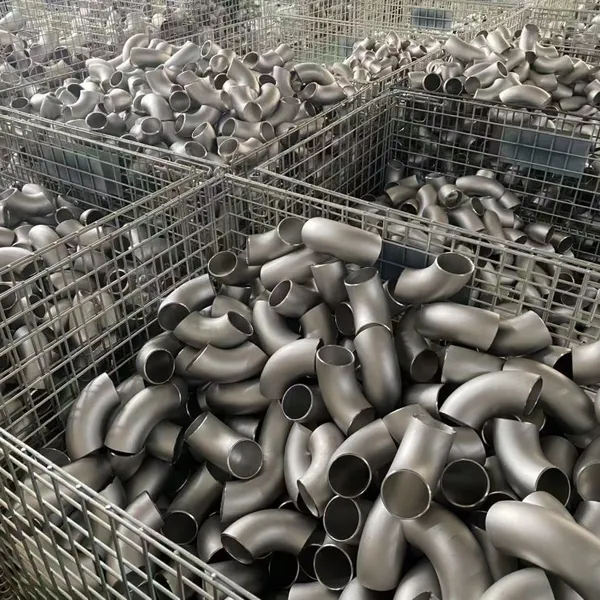
 Stainless Steel Elbow Welded Elbow 45/90/180-degree Seamless Pressed Elbow Long Radius Elbow Short Radius Elbow WholesaleNegotiableMOQ: 1 Piece
 -
316L/1.4405 Seamless Stainless Steel PipeNegotiableMOQ: 2 Meters
-
310s 440 Seamless Sanitary Piping Price 321 904l 201 20 Inch Seamless Steel Pipe A554 Stainless Steel PipeNegotiableMOQ: 1 Piece
-
China Brand ZZ Wholesale 304L 316 316L Welded Austenitic Piping Stainless Steel Pipe SupplierNegotiableMOQ: 2 Meters
-
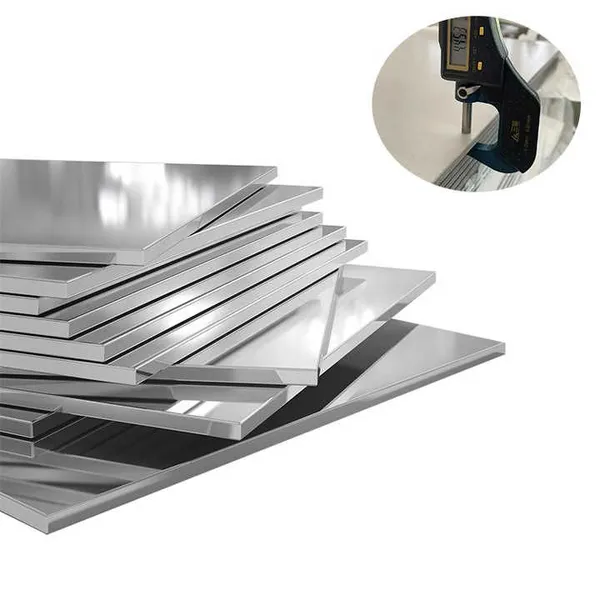
304/304L/316/409/410/904L/2205/2507/310H Premium Stainless Steel Sheets Supplier Custom Sizes & FinishesUS$ 1.72MOQ: 1 Ton
-
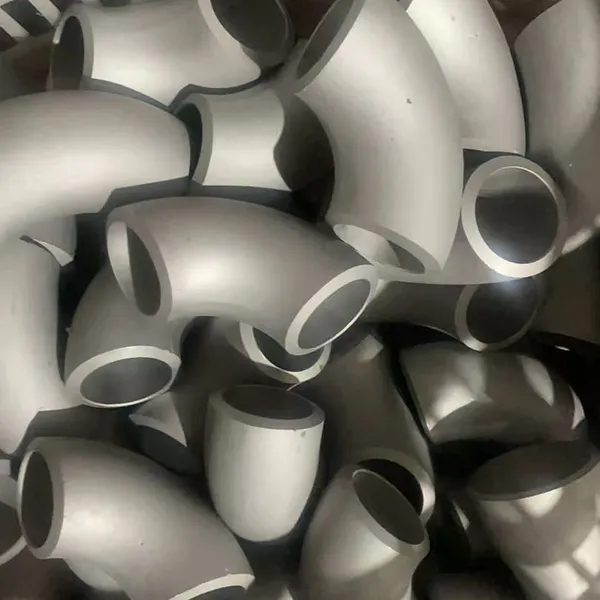
Stainless Steel ASME B16.9 Sch 45 90 Degree Pipe Fittings ElbowUS$ 8MOQ: 1 Piece
-
China Brand Zz 304L 316/316L GB En JIS Standard Thin Wall Welded Stainless Steel Water Pipe/TubeNegotiableMOQ: 2 Meters
-
BA 4 Inch 6 Inch 8 Inch 201 304 304L 316 316L Welded Seamless Stainless Steel PipeNegotiableMOQ: 2 Meters
-
ASME B36.19M-2004 SCH40S Stainless Steel Pipe - Complies With EU 3.1 CertificationUS$ 1 - 650MOQ: 1 Piece
-
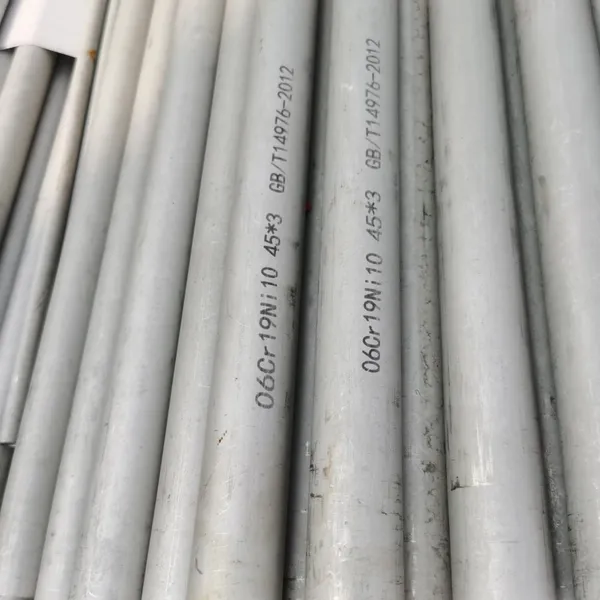
Factory TP309/TP309S/TP309H (UNS30900) Seamless Stainless Steel Pipe and Tube for Boiler BafflesUS$ 8MOQ: 200 Kilograms
-
TP347/TP347H/1.4961/S34709 Seamless Stainless Steel Pipe for UseNegotiableMOQ: 2 Meters
-
China 304 316 Stainless Steel Sanitary Welded Tube Food Grade Sanitary Grade Welded Pipe PolishingNegotiableMOQ: 1 Piece
-
China Manufacture Stainless Steel 316L Ba Seamless Welded Steel Pipe TubesUS$ 1760 - 1860MOQ: 5 Tons
-
316L/1.4405 Seamless Stainless Steel PipeNegotiableMOQ: 2 Meters
-
Stainless Steel Globe Valve – High Durability & Corrosion ResistanceNegotiableMOQ: 1 Piece
-
1.4529 Stainless Steel Flat Plate for Chemical Processing EquipmentUS$ 25 - 35MOQ: 1 Kilogram
-
Color Coated Steel Panels for Warehouse Partition Walls (Fireproof Grade)US$ 1 - 1.2MOQ: 50 Kilograms
-
Custom Width (600mm-1250mm) Colored Steel Coil With Scratch ResistanceUS$ 1 - 1.2MOQ: 50 Kilograms
-
0.5mm-3.0mm Colored Coated Steel Sheet With PVDF/Polyester CoatingUS$ 1 - 1.2MOQ: 50 Kilograms
-
JIS G 3322 Compliant Colored Coils With Third-Party Inspection ReportUS$ 1 - 1.2MOQ: 50 Kilograms