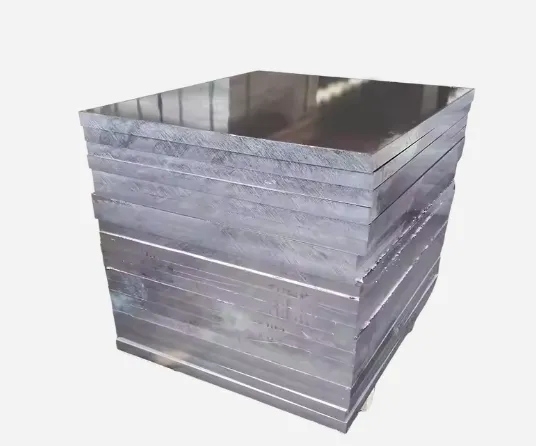

 Business License

The process of acid pickling and passivation for 304 precision stainless steel tubes
1. Chemical degreasing
For chemical degreasing of stainless steel pipes, the method usually adopted is immersion in a tank. The degreasing tank should be made of steel plates, and polyethylene or PVC can be laid inside. Then, 12% to 15% nitric acid is used, with the temperature controlled between 40℃ and 60℃, and the duration is 2 to 4 hours. It should be noted here that when the precision stainless steel pipes are immersed in the tank, the placement position is very important. To avoid leaving air inside the pipes. During the degreasing process, the pipes should be turned 360° to ensure that the solution inside the pipes is constantly replaced, in order to improve the effect. Only when the surface of the precision pipe is completely wetted can the purpose of chemical degreasing be achieved.
2. Hot water rinsing
After the chemical oil removal process, the pipe fittings are taken out of the oil removal tank and then immersed in a hot water tank at a temperature of 40°C to 60°C for rinsing. The rinsing time is 5 to 20 minutes.
3. Rinse with water
Take out the stainless steel pipe that has been rinsed with hot water, and then rinse it with pressurized water (pressure P ≥ 0.1 Mpa).
4. Passivation
The passivation process is carried out using the tank-in-tank bubble method. The passivation tank is made of steel plates and the inner wall is covered with anti-acid plastic. The temperature of the passivation tank is controlled at 20-25℃, and the steel plates are immersed in a 10%-20% volume concentration nitric acid solution for 1 hour. Additionally, depending on the shape of the pipe, methods such as immersion, coating, or spraying can be used. For the passivation solution, the HNO3 concentration should be controlled between 20% and 50%. According to electrochemical tests, a HNO3 concentration less than 20% results in unstable passivation film quality and is prone to pitting corrosion, but the HNO3 concentration should not exceed 50% to prevent excessive passivation. Finally, the surface of the passivated precision stainless steel pipe should have a uniform silver-white protective film.
5. Drying
After the precision tubes have undergone passivation treatment, they should be promptly dried using clean compressed air or nitrogen. Moreover, there must be sufficient time (at least 2 hours) for them to naturally undergo passivation in the air.
6. Inspection
After the precision stainless steel tubes have undergone passivation treatment, self-inspection and mutual inspection should be conducted, and then submitted to the quality inspector for acceptance according to the requirements. Since chemical inspection may damage the passivation film of the product, it is usually carried out on the sample. The method is as follows:
(Copper sulfate titration test): Add 8g of CuSO4 + 500mL of water + 2-3mL of H2SO4 solution onto the sample surface and keep it in a wet state. If no copper precipitates within 6 minutes, it is considered qualified.
(2) High-speed cyanide titration test: 2 mL of HCl + 1 mL of H2SO4 + 1 gram of K3Fe(CN)6 + 97 mL of water solution is dropped onto the sample surface. The quality of the passivation film is determined by the number and duration of the blue spots formed.
7. Packaging
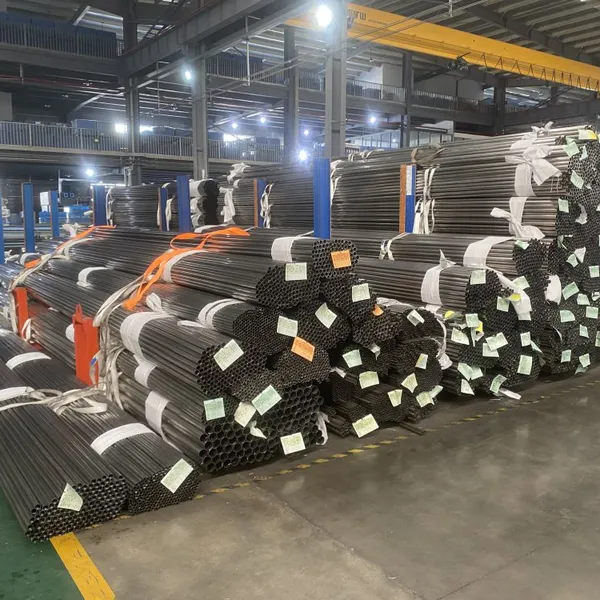
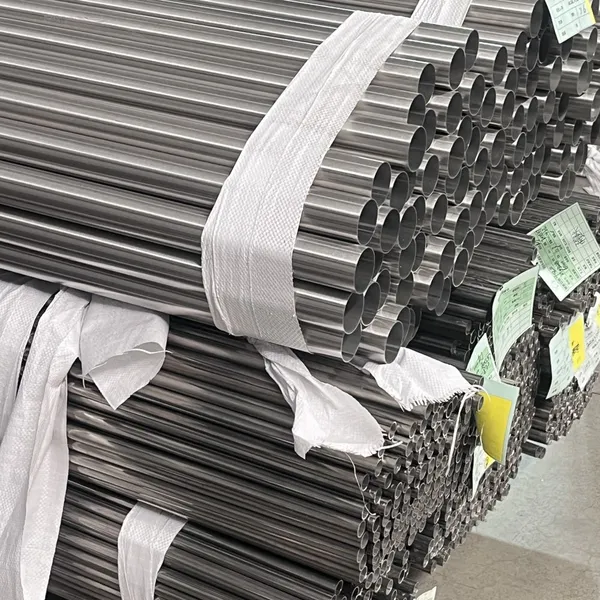
If the outer surface of the pipe needs to be treated, it should be done in accordance with the painting requirements; after passing the inspection, the precision stainless steel pipe should be sealed with a plastic plug, wrapped with three-proof fabric for protection, and labeled.
Recently Posted
-
Does the stainless steel welded pipe have specific temperature requirements during the solution heat
January 20, 2026Solution heat treatment involves heating stainless steel to a high temperature and then rapidly cooling it to achieve an oversatur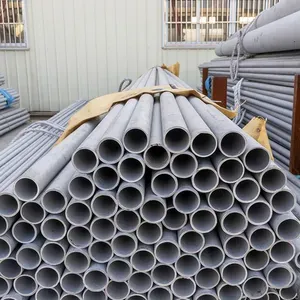 Read More
 -
Can stainless steel welded pipes be made into thick pipes
January 20, 2026With the improvement of high-quality welding technology and increasingly strict weld inspection, the application fields of s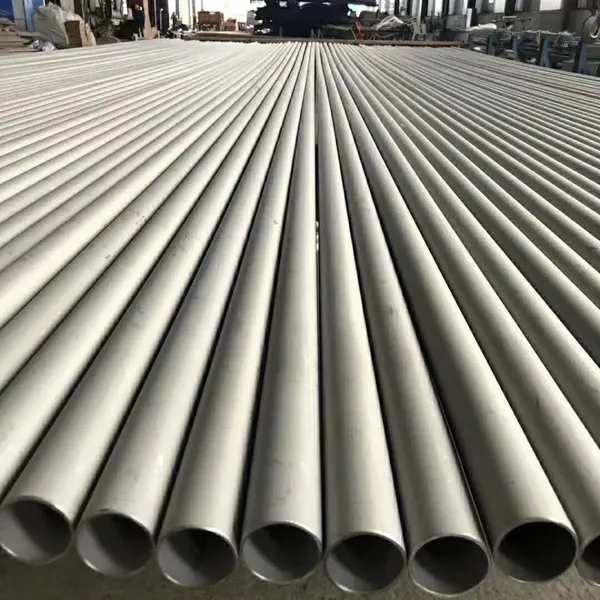 Read More
 -
Three types of commonly available food-grade stainless steel on the market
January 20, 2026The common food-grade stainless steel pipes are mainly composed of iron, chromium and carbon and other elements. Household stainle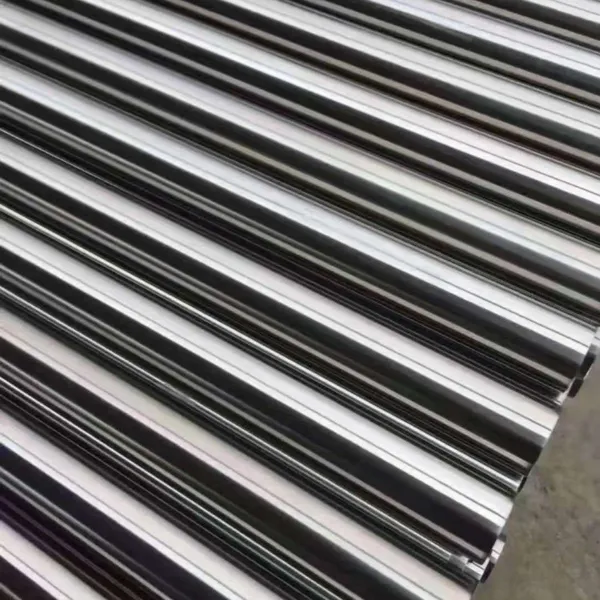 Read More
 -
What are the requirements for stainless steel welding pipe production equipment
January 20, 2026As is well known, stainless steel welded pipes have been widely used in various industries such as machinery, chemical engineering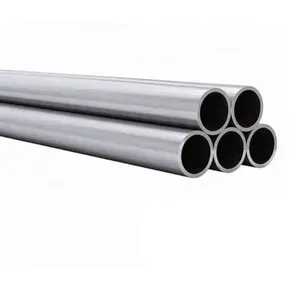 Read More

Contact Us
Recommended Products
-
 Stainless Steel Elbow Welded Elbow 45/90/180-degree Seamless Pressed Elbow Long Radius Elbow Short Radius Elbow WholesaleNegotiableMOQ: 1 Piece
 -
316L/1.4405 Seamless Stainless Steel PipeNegotiableMOQ: 2 Meters
-
310s 440 Seamless Sanitary Piping Price 321 904l 201 20 Inch Seamless Steel Pipe A554 Stainless Steel PipeNegotiableMOQ: 1 Piece
-
China Brand ZZ Wholesale 304L 316 316L Welded Austenitic Piping Stainless Steel Pipe SupplierNegotiableMOQ: 2 Meters
-
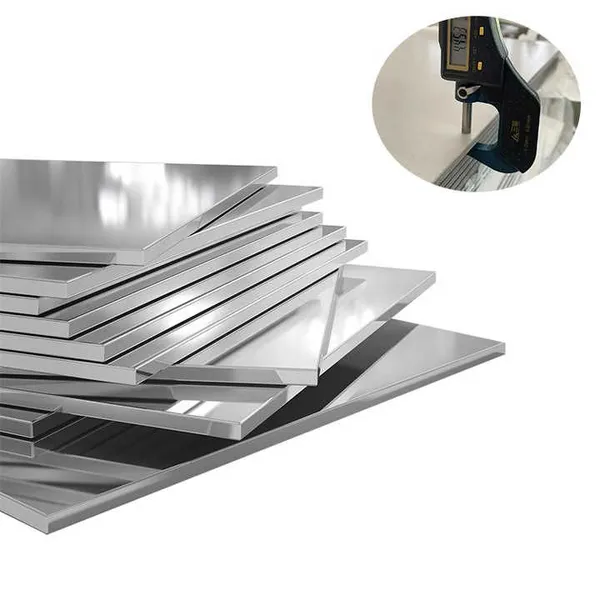
304/304L/316/409/410/904L/2205/2507/310H Premium Stainless Steel Sheets Supplier Custom Sizes & FinishesUS$ 1.72MOQ: 1 Ton
-
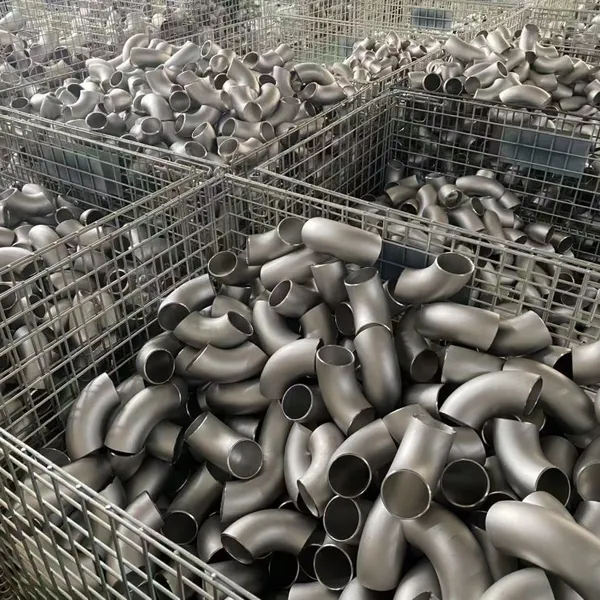
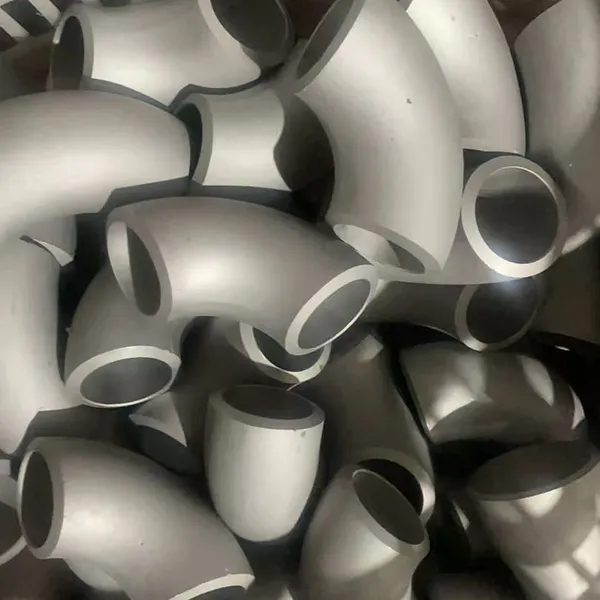
Stainless Steel ASME B16.9 Sch 45 90 Degree Pipe Fittings ElbowUS$ 8MOQ: 1 Piece
-
China Brand Zz 304L 316/316L GB En JIS Standard Thin Wall Welded Stainless Steel Water Pipe/TubeNegotiableMOQ: 2 Meters
-
BA 4 Inch 6 Inch 8 Inch 201 304 304L 316 316L Welded Seamless Stainless Steel PipeNegotiableMOQ: 2 Meters
-
ASME B36.19M-2004 SCH40S Stainless Steel Pipe - Complies With EU 3.1 CertificationUS$ 1 - 650MOQ: 1 Piece
-
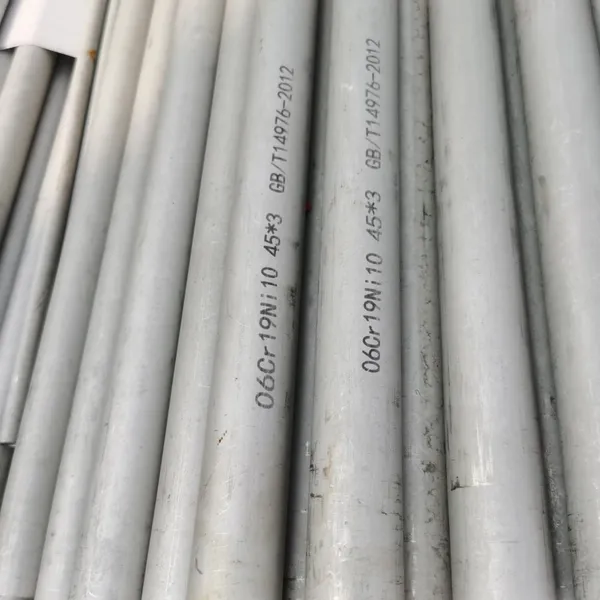
Factory TP309/TP309S/TP309H (UNS30900) Seamless Stainless Steel Pipe and Tube for Boiler BafflesUS$ 8MOQ: 200 Kilograms
-
TP347/TP347H/1.4961/S34709 Seamless Stainless Steel Pipe for UseNegotiableMOQ: 2 Meters
-
China 304 316 Stainless Steel Sanitary Welded Tube Food Grade Sanitary Grade Welded Pipe PolishingNegotiableMOQ: 1 Piece
-
China Manufacture Stainless Steel 316L Ba Seamless Welded Steel Pipe TubesUS$ 1760 - 1860MOQ: 5 Tons
-
316L/1.4405 Seamless Stainless Steel PipeNegotiableMOQ: 2 Meters
-
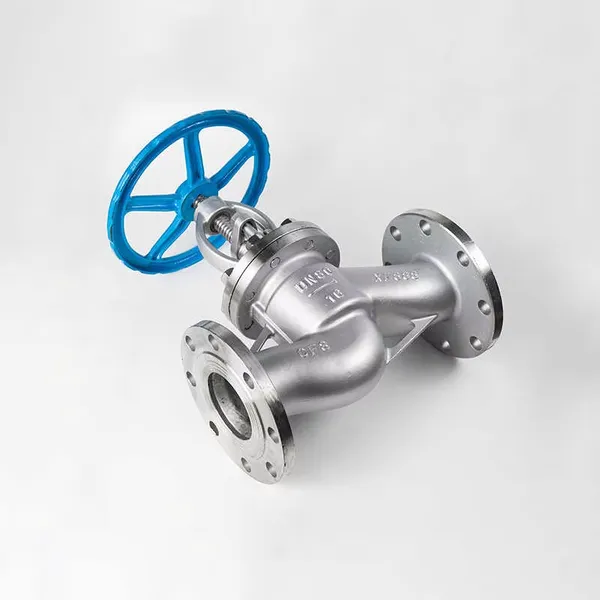
Stainless Steel Globe Valve – High Durability & Corrosion ResistanceNegotiableMOQ: 1 Piece
-
World's Most Affordable Color-Coated Steel Sheets - 0.3mm to 3mm Thickness - Mill Test Report IncludedUS$ 1102MOQ: 10 Kilograms
-
Color-Coated Steel Sheets With 15-Year Fade Warranty - JIS G 3322 Standard CompliantUS$ 1102MOQ: 10 Kilograms
-
Prefab Building Material - 0.4mm Color-Coated Corrugated Sheets - 100,000㎡ Monthly OutputUS$ 1102MOQ: 10 Kilograms
-
Industrial-Grade Color-Coated Sheets - 150-250g/m² Zinc Coating - Weather & UV ResistantUS$ 1102MOQ: 10 Kilograms
-
Factory-Direct Color-Coated Steel Plates - PVDF/Polyester Coating - 1220mm Standard WidthUS$ 1102MOQ: 10 Kilograms