
 Business License

Precautions for welding stainless steel capillary tubes
The first requirement is for the appearance of the weld seams. Usually, after the welding is completed, the first step is to inspect the appearance of the weld seams. There must be no hot zone cracks at these two positions. Secondly, when looking at the weld seam appearance, there should be no undercut, overburning or gas pores. Once any of these occur, the welding process must be restarted to ensure safety. The third requirement is the size and specification of undercut. Generally, the depth of undercut should not exceed 0.5 mm, and the continuous length should not exceed 100 mm. As for each weld seam, the length of the undercut should not exceed one-tenth of the total length; otherwise, the welding should start from scratch.
The bidirectional parallel winding method ensures uniform heating of all parts of the inner liner, increases micro-pressure, and extends the service life of the unit. While Gree, which has been striving for product quality, chose 304L stainless steel with better anti-corrosion performance and better riveting machine, without sacrificing profits. Although the titles of 304L and 304 differ by only one letter, their carbon content, chromium content and nickel content are quite different. Compared with 304, the corrosion resistance of 304L material and riveting machine has been improved to a much higher level.
Unlike the design of the atmosphere-preserving water heater that uses a capillary tube as the regulating component, now an electronic shortening valve is chosen as the energy-saving component. The multiple-saving control is changed to an adaptive control method to meet the automatic scheduling requirements under different conditions. The refrigerant flow is more precise and energy-efficient than the ordinary stainless steel capillary tube saving method. The expander absorbs heat from the surrounding conditions and preheats the working medium. The working medium vapor passes through the compressor for compression and then is metered and depressurized to form low-temperature vapor. When the low-temperature vapor is condensed into solid by the condenser, the released heat energy is transferred to the water in the water storage tank. The preheated working medium after condensation enters the expander through the shortening valve and then expands, completing the heating cycle.
As for the assembly of stainless steel capillary weld pieces, those who are familiar with the process know that if one wants to ensure a good weld, the arrangement of the weld pieces is very important. The contents that need to be arranged include oil stains on both sides of the interface, the applied paint, and the symbols made.
Recently Posted
-
Does the stainless steel welded pipe have specific temperature requirements during the solution heat
January 20, 2026Solution heat treatment involves heating stainless steel to a high temperature and then rapidly cooling it to achieve an oversatur Read More
 -
Can stainless steel welded pipes be made into thick pipes
January 20, 2026With the improvement of high-quality welding technology and increasingly strict weld inspection, the application fields of s Read More
 -
Three types of commonly available food-grade stainless steel on the market
January 20, 2026The common food-grade stainless steel pipes are mainly composed of iron, chromium and carbon and other elements. Household stainle Read More
 -
What are the requirements for stainless steel welding pipe production equipment
January 20, 2026As is well known, stainless steel welded pipes have been widely used in various industries such as machinery, chemical engineering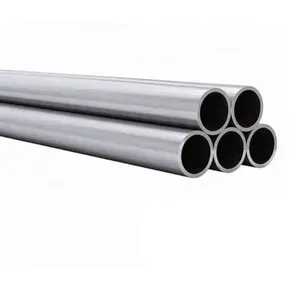 Read More

Contact Us
Recommended Products
-
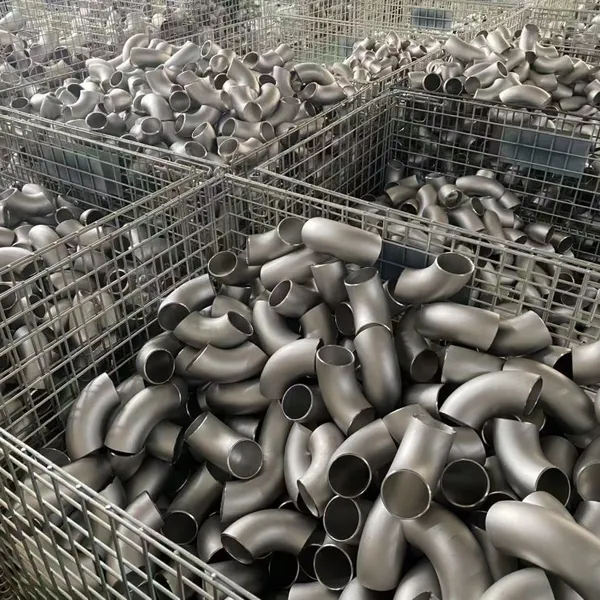
 Stainless Steel Elbow Welded Elbow 45/90/180-degree Seamless Pressed Elbow Long Radius Elbow Short Radius Elbow WholesaleNegotiableMOQ: 1 Piece
 -
316L/1.4405 Seamless Stainless Steel PipeNegotiableMOQ: 2 Meters
-
310s 440 Seamless Sanitary Piping Price 321 904l 201 20 Inch Seamless Steel Pipe A554 Stainless Steel PipeNegotiableMOQ: 1 Piece
-
China Brand ZZ Wholesale 304L 316 316L Welded Austenitic Piping Stainless Steel Pipe SupplierNegotiableMOQ: 2 Meters
-
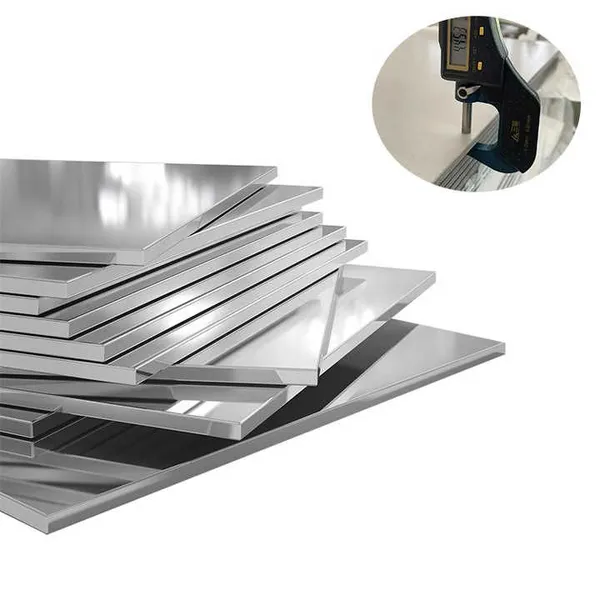
304/304L/316/409/410/904L/2205/2507/310H Premium Stainless Steel Sheets Supplier Custom Sizes & FinishesUS$ 1.72MOQ: 1 Ton
-
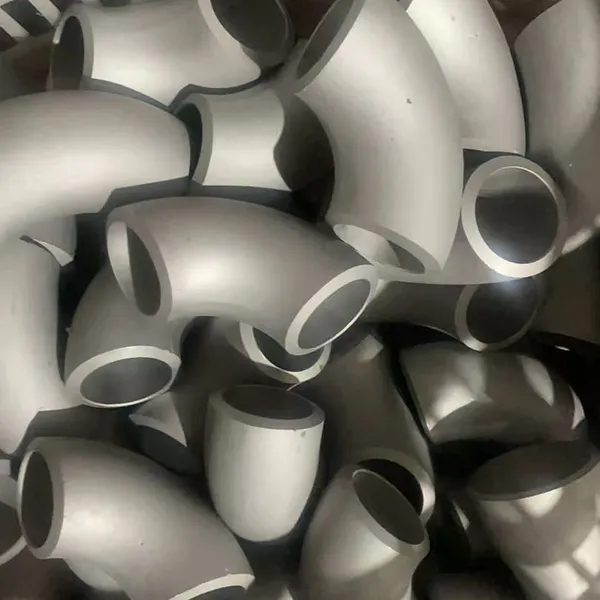
Stainless Steel ASME B16.9 Sch 45 90 Degree Pipe Fittings ElbowUS$ 8MOQ: 1 Piece
-
China Brand Zz 304L 316/316L GB En JIS Standard Thin Wall Welded Stainless Steel Water Pipe/TubeNegotiableMOQ: 2 Meters
-
BA 4 Inch 6 Inch 8 Inch 201 304 304L 316 316L Welded Seamless Stainless Steel PipeNegotiableMOQ: 2 Meters
-
ASME B36.19M-2004 SCH40S Stainless Steel Pipe - Complies With EU 3.1 CertificationUS$ 1 - 650MOQ: 1 Piece
-
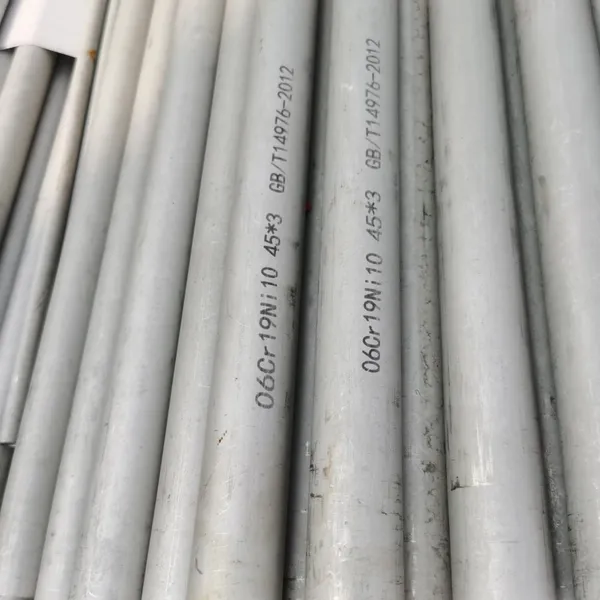
Factory TP309/TP309S/TP309H (UNS30900) Seamless Stainless Steel Pipe and Tube for Boiler BafflesUS$ 8MOQ: 200 Kilograms
-
TP347/TP347H/1.4961/S34709 Seamless Stainless Steel Pipe for UseNegotiableMOQ: 2 Meters
-
China 304 316 Stainless Steel Sanitary Welded Tube Food Grade Sanitary Grade Welded Pipe PolishingNegotiableMOQ: 1 Piece
-
China Manufacture Stainless Steel 316L Ba Seamless Welded Steel Pipe TubesUS$ 1760 - 1860MOQ: 5 Tons
-
316L/1.4405 Seamless Stainless Steel PipeNegotiableMOQ: 2 Meters
-
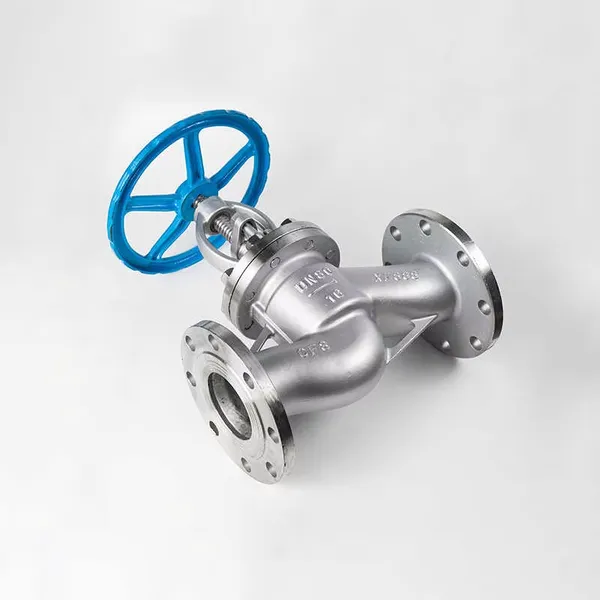
Stainless Steel Globe Valve – High Durability & Corrosion ResistanceNegotiableMOQ: 1 Piece
-
1.4529 Stainless Steel Flat Plate for Chemical Processing EquipmentUS$ 25 - 35MOQ: 1 Kilogram
-
Color Coated Steel Panels for Warehouse Partition Walls (Fireproof Grade)US$ 1 - 1.2MOQ: 50 Kilograms
-
Custom Width (600mm-1250mm) Colored Steel Coil With Scratch ResistanceUS$ 1 - 1.2MOQ: 50 Kilograms
-
0.5mm-3.0mm Colored Coated Steel Sheet With PVDF/Polyester CoatingUS$ 1 - 1.2MOQ: 50 Kilograms
-
JIS G 3322 Compliant Colored Coils With Third-Party Inspection ReportUS$ 1 - 1.2MOQ: 50 Kilograms