
 Business License

Which is better, 304 stainless steel or 316 stainless steel
Which is better, 304 stainless steel or 316 stainless steel? The answer is that the quality of 316 stainless steel is slightly better than that of 304 stainless steel. This is because 316 stainless steel incorporates metallic molybdenum on the basis of 304 stainless steel. This element can further strengthen the molecular structure of stainless steel, making it more wear-resistant and resistant to oxidation, and at the same time, its corrosion resistance is also significantly enhanced. Let's take a look together at which one is better between 304 stainless steel and 316 stainless steel.
The most commonly used types of stainless steel are 304 and 316. The classification system used to categorize these two types of steel is mainly derived from the numbering information system initiated by the American Iron and Steel Institute (AISI), which is one of the oldest trade associations to date, dating back to 1855. These classifications indicate their composition. Most 200 and 300 series stainless steels are considered austenitic. The austenitization process involves heating iron, iron alloys, or steel to a temperature at which its crystal structure changes from ferrite to austenite. Although it is difficult to distinguish them by the naked eye, the unique product performance between 304 and 316 stainless steel enterprises can enable them to outperform each other in certain technical applications.
Since the development of China's manufacturing industry in the 20th century, stainless steel companies have become an important material in many projects in our country due to their durability, high mechanical processing properties, weldability and flexibility. It contains several different percentages of elements, which are responsible for the different levels currently known. Each level has its unique properties, and the comparison of these two levels, just like their manufacturing process, is eternal and is 304 and 316 stainless steel.
304 Stainless Steel
304 stainless steel is the most widely ordered stainless steel material grade in the world. It is an austenitic variant of SS, containing 8% to 10.5% nickel, 18% to 20% chromium, and other elements such as carbon, manganese, and silicon. These components give SS 304 high heat resistance and corrosion resistance, making it suitable for various industrial and commercial environments.
Due to its properties and characteristics, SS 304 is the most ordered stainless steel grade. It is an important material in many industries. Due to its excellent corrosion resistance, it needs to have very outstanding functions and aesthetics in various environmental issues of enterprises. Its machinability and weldability also make it the preferred choice for CNC machining and sheet metal manufacturing. Many people like its aesthetic appeal because it is used to manufacture parts for high-rise buildings and skyscrapers.
316 grade stainless steel
316 stainless steel or grade 316 SS is an austenitic type, with a maximum carbon content of 0.08%, 10% nickel, 16% chromium, and a molybdenum content ranging from 2-3%. As an austenitic steel, it has a relatively high heat resistance, machinability, weldability, and a significant impact on tensile strength. The 2% molybdenum further enhances its resistance to saltwater and freshwater corrosion, which is well-known due to the high chloride content.
In the comparison between stainless steel 304 and 316, the advantage of 316 stainless steel lies in its different grade. Unlike other grades, 316 stainless steel has high corrosion resistance in acidic, alkaline and chloride environments because it has a higher nickel content and higher molybdenum content. It also has flexibility, operability and weldability, making it another top-notch rapid prototyping material. SS 316 is also very common in the pharmaceutical industry because its hard surface can prevent the adhesion and survival of microorganisms.
Which is better, 304 or 316 stainless steel?
When you look at these two types of steel, they are similar in appearance and chemical composition. Both can effectively resist rust and corrosion, and also provide additional durability. When comparing 304 and 316 stainless steel, the higher cost of the latter can be attributed to its better corrosion resistance. Due to this price difference and the favorable limited environment of 316 steel, 304 steel is the most widely used austenitic stainless steel.
The 316 grade stainless steel has better corrosion resistance and thus has a higher cost. For applications where the alloy is exposed to chloride solutions and chlorides (including Chinese seawater), it is particularly recommended to use this type of alloy with a higher quality grade. It can extend the service life of components or equipment that are gradually exposed to harsh and corrosive environmental conditions, especially when design issues are exposed to salt content. However, the 304 grade is very useful for most applications. In summary, when comparing 304 with 316 stainless steel, for applications that require excellent corrosion resistance or waterproofing, use 316 stainless steel. For other applications, use 304 stainless steel engineering.
In summary, 304 and 316 are the codes for stainless steel. Essentially, they are not different from each other; they are both stainless steel. When classified further, they belong to different types. To put it simply, the quality of 316 stainless steel is superior to that of 304 stainless steel. 316 stainless steel incorporates molybdenum in addition to 304, and this element can further strengthen the molecular structure of stainless steel, making it more wear-resistant, more resistant to oxidation, and at the same time, its corrosion resistance is significantly enhanced.
Recently Posted
-
Does the stainless steel welded pipe have specific temperature requirements during the solution heat
January 20, 2026Solution heat treatment involves heating stainless steel to a high temperature and then rapidly cooling it to achieve an oversatur Read More
 -
Can stainless steel welded pipes be made into thick pipes
January 20, 2026With the improvement of high-quality welding technology and increasingly strict weld inspection, the application fields of s Read More
 -
Three types of commonly available food-grade stainless steel on the market
January 20, 2026The common food-grade stainless steel pipes are mainly composed of iron, chromium and carbon and other elements. Household stainle Read More
 -
What are the requirements for stainless steel welding pipe production equipment
January 20, 2026As is well known, stainless steel welded pipes have been widely used in various industries such as machinery, chemical engineering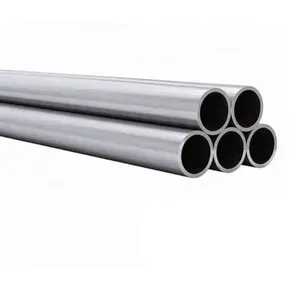 Read More

Contact Us
Recommended Products
-
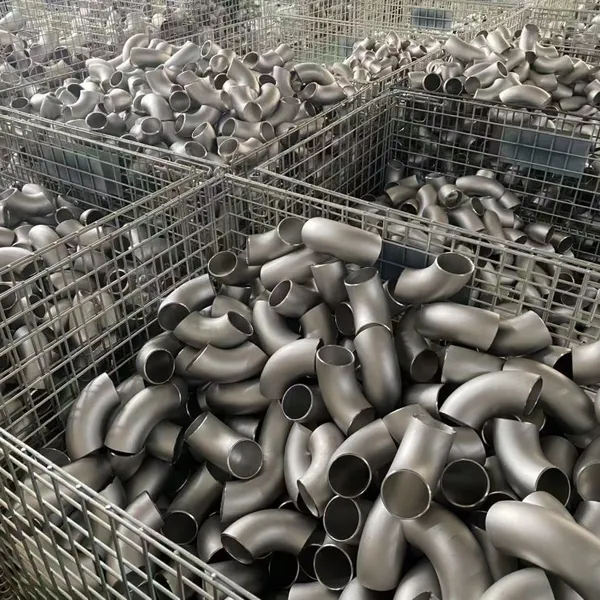
 Stainless Steel Elbow Welded Elbow 45/90/180-degree Seamless Pressed Elbow Long Radius Elbow Short Radius Elbow WholesaleNegotiableMOQ: 1 Piece
 -
316L/1.4405 Seamless Stainless Steel PipeNegotiableMOQ: 2 Meters
-
310s 440 Seamless Sanitary Piping Price 321 904l 201 20 Inch Seamless Steel Pipe A554 Stainless Steel PipeNegotiableMOQ: 1 Piece
-
China Brand ZZ Wholesale 304L 316 316L Welded Austenitic Piping Stainless Steel Pipe SupplierNegotiableMOQ: 2 Meters
-
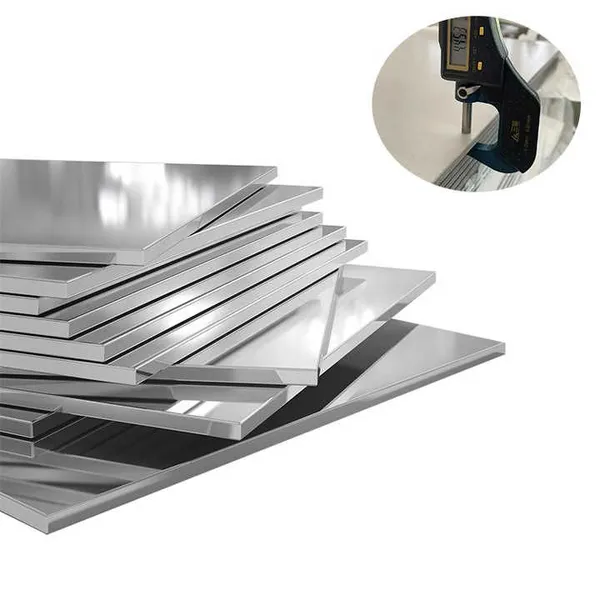
304/304L/316/409/410/904L/2205/2507/310H Premium Stainless Steel Sheets Supplier Custom Sizes & FinishesUS$ 1.72MOQ: 1 Ton
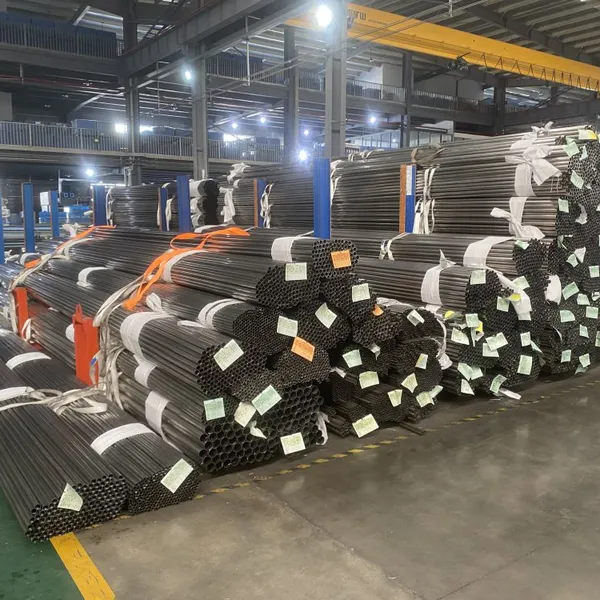
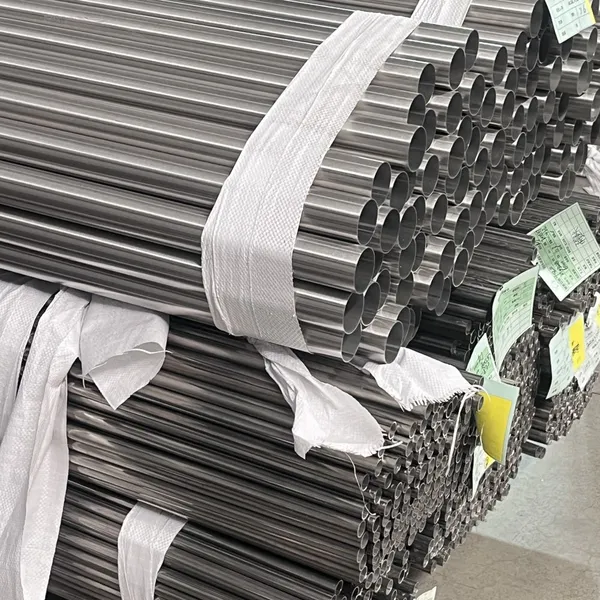
-
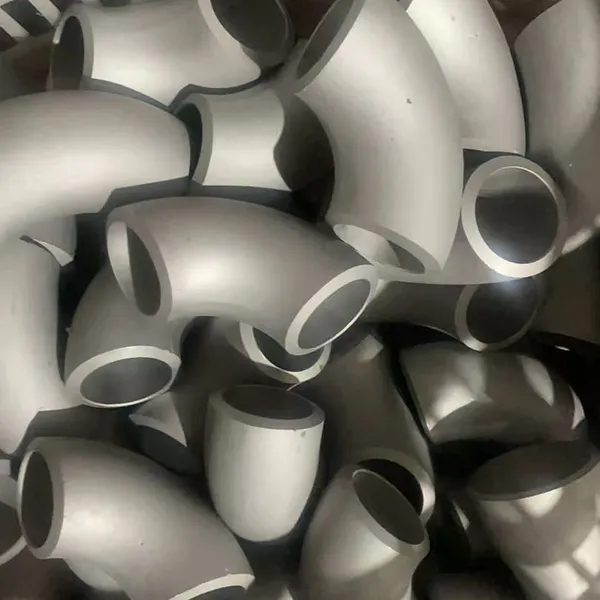
Stainless Steel ASME B16.9 Sch 45 90 Degree Pipe Fittings ElbowUS$ 8MOQ: 1 Piece
-
China Brand Zz 304L 316/316L GB En JIS Standard Thin Wall Welded Stainless Steel Water Pipe/TubeNegotiableMOQ: 2 Meters
-
BA 4 Inch 6 Inch 8 Inch 201 304 304L 316 316L Welded Seamless Stainless Steel PipeNegotiableMOQ: 2 Meters
-
ASME B36.19M-2004 SCH40S Stainless Steel Pipe - Complies With EU 3.1 CertificationUS$ 1 - 650MOQ: 1 Piece
-
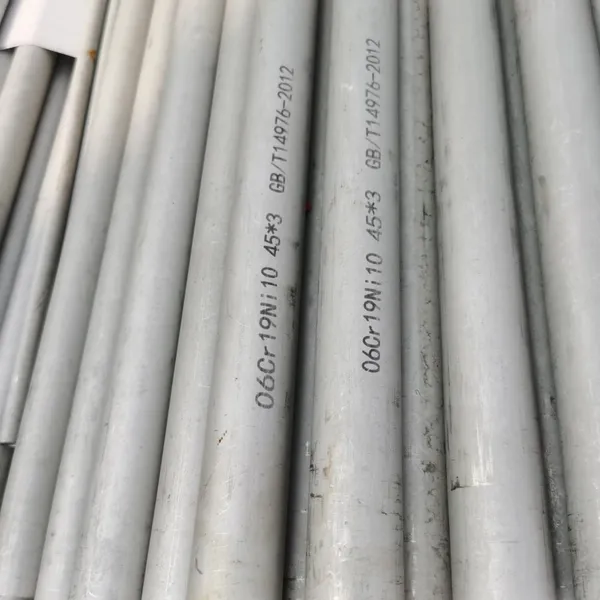
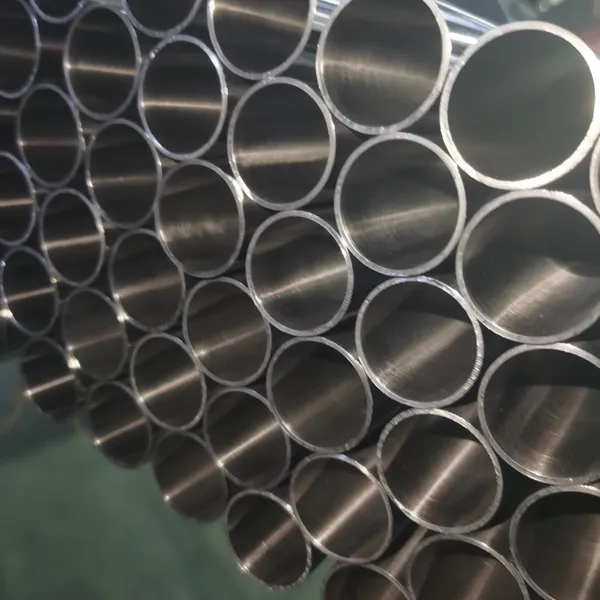
Factory TP309/TP309S/TP309H (UNS30900) Seamless Stainless Steel Pipe and Tube for Boiler BafflesUS$ 8MOQ: 200 Kilograms
-
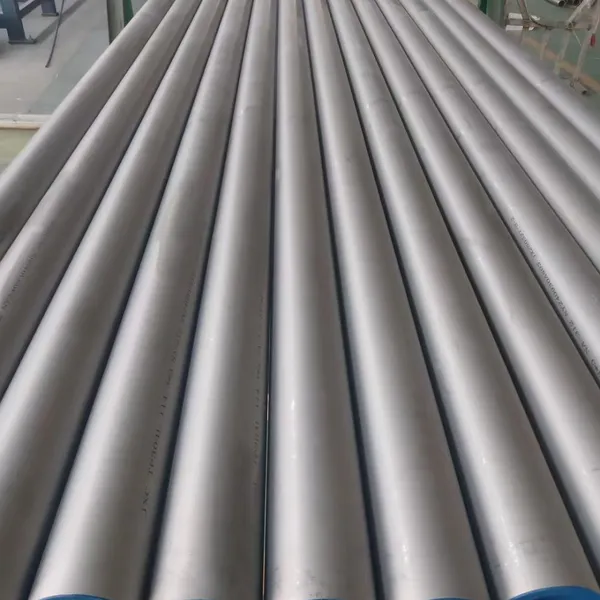
TP347/TP347H/1.4961/S34709 Seamless Stainless Steel Pipe for UseNegotiableMOQ: 2 Meters
-
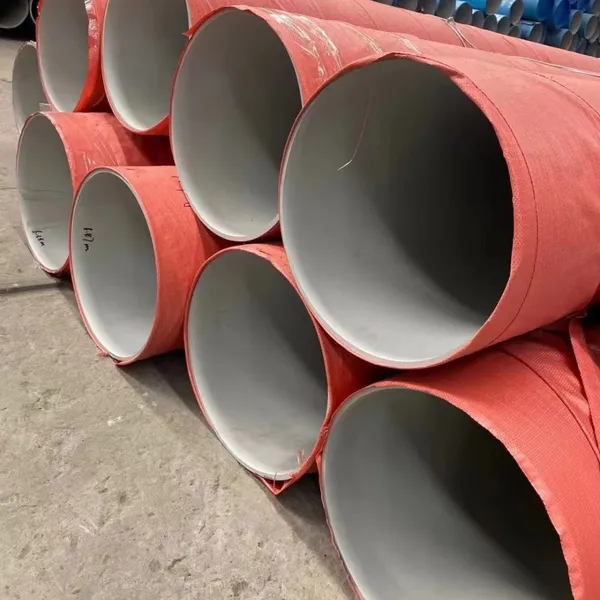
China 304 316 Stainless Steel Sanitary Welded Tube Food Grade Sanitary Grade Welded Pipe PolishingNegotiableMOQ: 1 Piece
-
China Manufacture Stainless Steel 316L Ba Seamless Welded Steel Pipe TubesUS$ 1760 - 1860MOQ: 5 Tons
-
316L/1.4405 Seamless Stainless Steel PipeNegotiableMOQ: 2 Meters
-
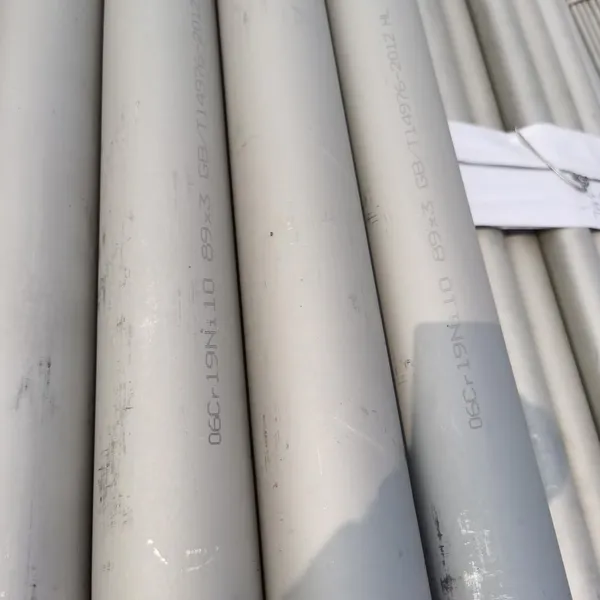
Stainless Steel Globe Valve – High Durability & Corrosion ResistanceNegotiableMOQ: 1 Piece
-
1.4529 Stainless Steel Flat Plate for Chemical Processing EquipmentUS$ 25 - 35MOQ: 1 Kilogram
-
Color Coated Steel Panels for Warehouse Partition Walls (Fireproof Grade)US$ 1 - 1.2MOQ: 50 Kilograms
-
Custom Width (600mm-1250mm) Colored Steel Coil With Scratch ResistanceUS$ 1 - 1.2MOQ: 50 Kilograms
-
0.5mm-3.0mm Colored Coated Steel Sheet With PVDF/Polyester CoatingUS$ 1 - 1.2MOQ: 50 Kilograms
-
JIS G 3322 Compliant Colored Coils With Third-Party Inspection ReportUS$ 1 - 1.2MOQ: 50 Kilograms