
 Business License

How to determine the quality of stainless steel water pipes purchased
Stainless steel water supply pipes have been widely used in new hotels, hospitals, dormitories, water supply and other fields. However, their popularity in other fields is not high. So, when customers who have never used stainless steel water supply pipes want to purchase them, how should they determine the quality of the stainless steel water supply pipes?
The quality of stainless steel pipes is subject to specific standards and regulations in our country. According to the national standard specification: GB/T19228.2-2011 "Stainless Steel Compression-Type Pipe Fittings Components", there are corresponding standards and regulations regarding the dimensions and tolerances, weight, processing, inspection standards, trademark design, as well as product packaging and storage transportation of stainless steel pipes.
1. Check if the wall thickness is consistent with the standards
At present, the stainless steel pipes produced by various factories in China are divided into the national standard series 1 and the national standard series 2. For these two types of thin-walled stainless steel water pipes, there may be slight differences in outer diameter and wall thickness under the nominal diameter (DN). Besides the domestic national standard products, there are also foreign European standard products.
It should also be noted that products of different series of pipe fittings and pipe materials cannot be used together; otherwise, it will increase the risk of pipeline leakage, waste materials, and prolong the construction time and difficulty.
Of course, for the use of stainless steel pipes, a thicker pipe wall is safer and more reliable. So, should the wall thickness be as thick as possible? Considering practicality and economy, a wall thickness that meets the service life requirements can be adopted. However, special attention should be paid to products with insufficient wall thickness.
2. Examine the material of the raw materials
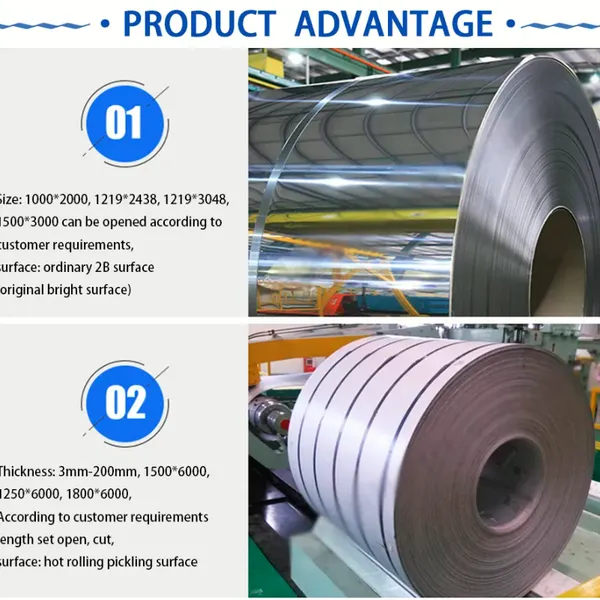
Stainless steel strips are the raw materials needed for the production of stainless steel pipes and fittings. The prices of stainless steel of different grades and produced by different factories vary significantly. The stainless steel strips produced by small rolling mills (often made by melting and rolling recognized stainless steel, lacking appropriate purification processes) are also called 304 stainless steel in their names, but their nickel content is often lower than the 8% required by 304 materials, and their physical and hygiene functions do not meet the requirements of 304 stainless steel, and their prices are also much lower.
The prices of different grades of stainless steel strips such as 304, 316, and 316L also vary to some extent. Which type of stainless steel should be chosen? That depends on the design requirements of the application scenario. In most cases, the corrosion resistance of 304 stainless steel and 316 stainless steel is not much different, but there are significant differences in some special application scenarios. The corrosion resistance of 316 stainless steel is significantly better than that of 304 stainless steel, and 316 stainless steel is also resistant to corrosion from marine and corrosive industrial exhaust gases. Therefore, 304 stainless steel has good rust resistance in dry and clean air, but if it is moved to a coastal city area with a large amount of salt in the sea fog, it will quickly rust; while 316 stainless steel will not rust and is more reliable and safe. The carbon content of 316L is lower than that of 316 and 304, and it has better corrosion resistance. Among the three, the corrosion resistance of 316L is higher than that of 316 and 304. Therefore, when making a choice, one should base it on the actual usage requirements.
3. Check the factory qualifications
When you are unable to understand the above two points, you must make sure of this one. To purchase products that meet the standard specifications, you must choose factories of reputable brands.
The production factories of stainless steel pipes and pipe fittings should have quality certificates of product conformity and corresponding material quality inspection reports. The pipe fittings should clearly indicate the materials, specifications, production batches and names of the production factories of the products. Good product production factories attach great importance to their brands, and various qualification certificates are definitely available.
4. Check the after-sales service
Low-quality stainless steel pipes do not care about the quality of the pipes but only focus on the cost. There are many unscrupulous factories that sell 201 stainless steel as 304 stainless steel. Many regular brand factories will purchase insurance for the pipes they produce and also provide satisfactory after-sales service to customers. Each additional service requires extra manpower, materials and financial resources. Unscrupulous pipe factories are reluctant to increase these costs, which can make the cost lower.
How should the thin-walled stainless steel water pipes be pre-embedded?
As is well known, the connection methods of thin-walled stainless steel water pipes can be classified according to their application in different scenarios. However, regardless of the type of connection, some parts need to be pre-installed. If the operation is improper during this process, it is very likely to cause damage to the thin-walled stainless steel water pipes. Now, let's take a detailed look at it together.
1. Excessive acidic substances in the concrete, as well as anti-freeze agents, accelerators for setting, and other additives, will all cause corrosion on the surface of the thin-walled stainless steel water pipes.
Second, the coal cinders in coal-producing areas can also have an impact on the pipes.
III. Soil Corrosion Differences: When the pipeline passes through soil and sand, the thin-walled stainless steel water pipe buried in the soil section may experience corrosion. Similarly, soil differences can also have an impact on the pipe materials.
Four, even when thin-walled stainless steel pipes come into contact with other types of metal, electrochemical corrosion can still occur.
The above four points briefly introduce to you the possible impacts caused by improper operation when embedding thin-walled stainless steel water pipes. From this, it can be seen that to ensure the usage effect and service life of the water pipes, not only should the connection be done correctly, but also all aspects of handling must be appropriate.
Recently Posted
-
Does the stainless steel welded pipe have specific temperature requirements during the solution heat
January 20, 2026Solution heat treatment involves heating stainless steel to a high temperature and then rapidly cooling it to achieve an oversatur Read More
 -
Can stainless steel welded pipes be made into thick pipes
January 20, 2026With the improvement of high-quality welding technology and increasingly strict weld inspection, the application fields of s Read More
 -
Three types of commonly available food-grade stainless steel on the market
January 20, 2026The common food-grade stainless steel pipes are mainly composed of iron, chromium and carbon and other elements. Household stainle Read More
 -
What are the requirements for stainless steel welding pipe production equipment
January 20, 2026As is well known, stainless steel welded pipes have been widely used in various industries such as machinery, chemical engineering Read More

Contact Us
Recommended Products
-
 Stainless Steel Elbow Welded Elbow 45/90/180-degree Seamless Pressed Elbow Long Radius Elbow Short Radius Elbow WholesaleNegotiableMOQ: 1 Piece
 -
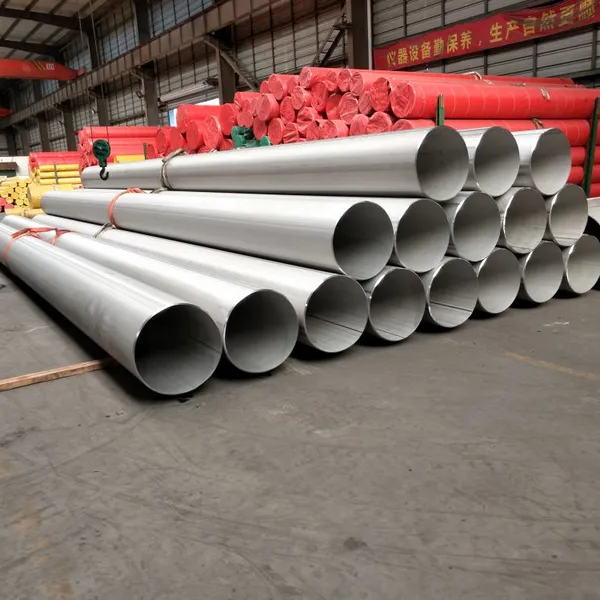
316L/1.4405 Seamless Stainless Steel PipeNegotiableMOQ: 2 Meters
-
310s 440 Seamless Sanitary Piping Price 321 904l 201 20 Inch Seamless Steel Pipe A554 Stainless Steel PipeNegotiableMOQ: 1 Piece
-
China Brand ZZ Wholesale 304L 316 316L Welded Austenitic Piping Stainless Steel Pipe SupplierNegotiableMOQ: 2 Meters
-
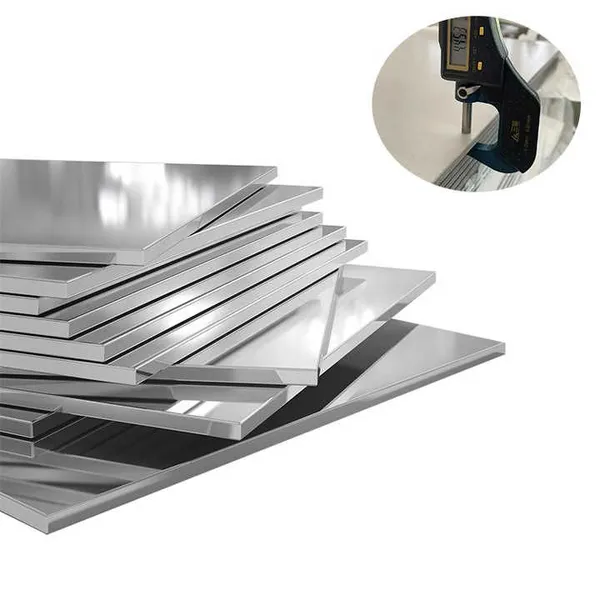
304/304L/316/409/410/904L/2205/2507/310H Premium Stainless Steel Sheets Supplier Custom Sizes & FinishesUS$ 1.72MOQ: 1 Ton
-
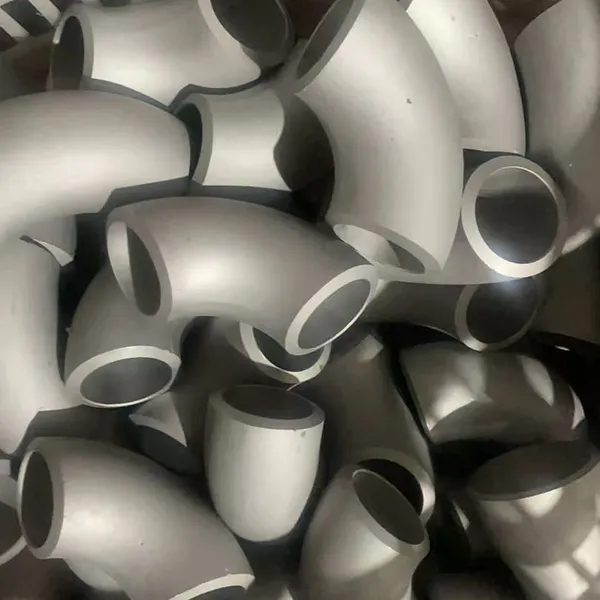
Stainless Steel ASME B16.9 Sch 45 90 Degree Pipe Fittings ElbowUS$ 8MOQ: 1 Piece
-
China Brand Zz 304L 316/316L GB En JIS Standard Thin Wall Welded Stainless Steel Water Pipe/TubeNegotiableMOQ: 2 Meters
-
BA 4 Inch 6 Inch 8 Inch 201 304 304L 316 316L Welded Seamless Stainless Steel PipeNegotiableMOQ: 2 Meters
-
ASME B36.19M-2004 SCH40S Stainless Steel Pipe - Complies With EU 3.1 CertificationUS$ 1 - 650MOQ: 1 Piece
-
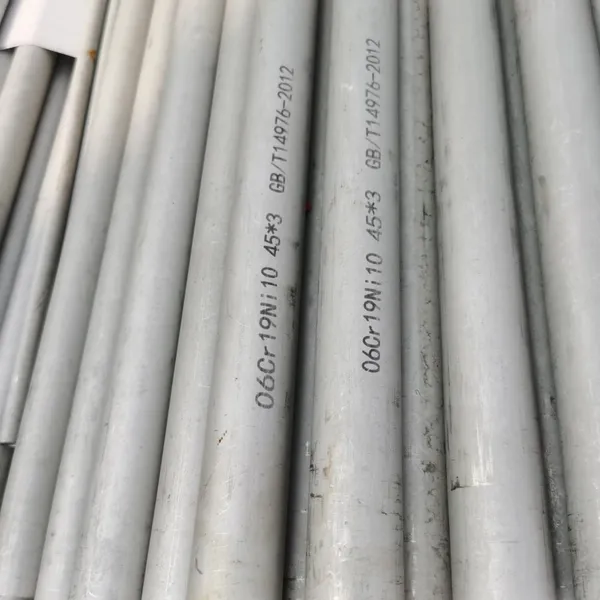
Factory TP309/TP309S/TP309H (UNS30900) Seamless Stainless Steel Pipe and Tube for Boiler BafflesUS$ 8MOQ: 200 Kilograms
-
TP347/TP347H/1.4961/S34709 Seamless Stainless Steel Pipe for UseNegotiableMOQ: 2 Meters
-
China 304 316 Stainless Steel Sanitary Welded Tube Food Grade Sanitary Grade Welded Pipe PolishingNegotiableMOQ: 1 Piece
-
China Manufacture Stainless Steel 316L Ba Seamless Welded Steel Pipe TubesUS$ 1760 - 1860MOQ: 5 Tons
-
316L/1.4405 Seamless Stainless Steel PipeNegotiableMOQ: 2 Meters
-
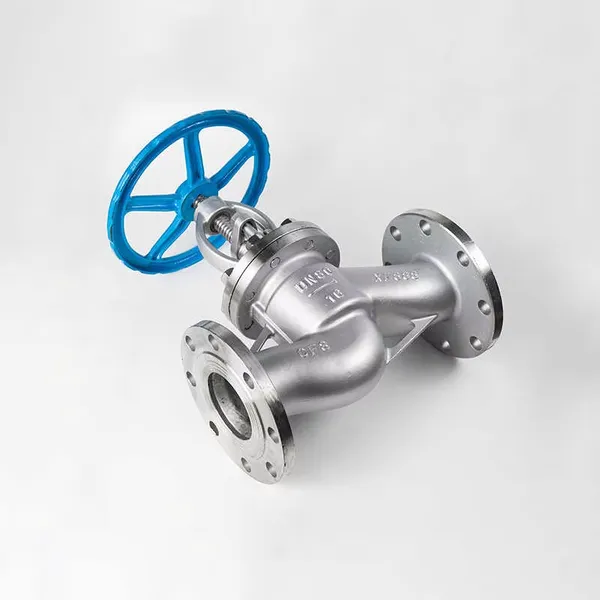
Stainless Steel Globe Valve – High Durability & Corrosion ResistanceNegotiableMOQ: 1 Piece
-
1.4529 Stainless Steel Flat Plate for Chemical Processing EquipmentUS$ 25 - 35MOQ: 1 Kilogram
-
Color Coated Steel Panels for Warehouse Partition Walls (Fireproof Grade)US$ 1 - 1.2MOQ: 50 Kilograms
-
Custom Width (600mm-1250mm) Colored Steel Coil With Scratch ResistanceUS$ 1 - 1.2MOQ: 50 Kilograms
-
0.5mm-3.0mm Colored Coated Steel Sheet With PVDF/Polyester CoatingUS$ 1 - 1.2MOQ: 50 Kilograms
-
JIS G 3322 Compliant Colored Coils With Third-Party Inspection ReportUS$ 1 - 1.2MOQ: 50 Kilograms