
 Business License

Why are stainless steel pipe fittings typically treated with bright solution treatment
During the welding process of stainless steel pipeline products, due to some objective reasons, strict anti-oxidation measures cannot be taken. In a high-temperature environment, the welding area is prone to oxidation and turning black. If only acid washing and polishing methods are used, even though the appearance of the stainless steel pipeline products returns to their original stainless color, the corrosion resistance will be greatly reduced! The correct treatment should be to restore the corrosion resistance of the stainless steel pipeline products through the "solution" process! Then, why are stainless pipe fittings selected for bright solution annealing? In fact, solution annealing is divided into two types: one is ordinary solution annealing, and the other is bright solution annealing. There are obvious differences between the two.
Its functions are mainly manifested in the following four points:
1. To ensure uniformity and consistency in the structure and composition of welded steel pipes. Since the rolling temperatures and cooling rates of each section of hot-rolled pipes are different, the microstructure is not uniform. At high temperatures, the atomic activity increases and the σ phase dissolves, causing the chemical composition to tend towards uniformity. After rapid cooling, a uniform single-phase structure is obtained.
2. Eliminate work hardening to facilitate further cold processing. The bright solution treatment can restore the distorted lattice, cause the elongated and fractured grains to recrystallize, eliminate internal stress, reduce the tensile strength of the steel pipe, and increase the elongation rate.
3. Restore the inherent corrosion resistance of stainless steel welding. Due to the precipitation of carbides and lattice defects caused by cold processing, the corrosion resistance of stainless steel pipes was reduced. After undergoing bright solution heat treatment, the corrosion resistance of the stainless steel pipes was restored to its optimal state.
4. Due to the bright solution treatment, it is carried out in a sealed space protected by hydrogen gas. Through the high-frequency induction heating coil, the welded pipe is rapidly heated to 1050℃ and then rapidly cooled to room temperature. The entire process is isolated from the oxygen in the air, eliminating stress. Therefore, the surface brightness of the welded pipe is very high.
Due to the formation of carbides and lattice defects during cold processing, the corrosion resistance of the stainless steel pipe is reduced. After solution treatment, the corrosion resistance of the pipe recovers to its optimal state.
For stainless steel seamless pipes, the three key elements of the solution treatment are temperature, holding time and cooling rate. The solution temperature is mainly determined based on the chemical composition.
Generally speaking, there are a wide variety of alloying elements, and the brand content is high. The solution temperature needs to be increased accordingly. Especially for steels with high contents of manganese, molybdenum, nickel, and silicon, only by raising the solution temperature and allowing them to dissolve fully can the softening effect be achieved.
However, for stabilized steels such as 1Cr18Ni9Ti, when the solution temperature is high, the carbides of the stabilized elements are fully dissolved into the austenite, and during subsequent cooling, they will separate at the grain boundaries in the form of Cr23C6, leading to the formation of intergranular corrosion. To prevent the carbides of the stabilized elements (TiC and NbC) from decomposing and not being fully dissolved, the lower limit solution temperature is generally selected.
Recently Posted
-
Does the stainless steel welded pipe have specific temperature requirements during the solution heat
January 20, 2026Solution heat treatment involves heating stainless steel to a high temperature and then rapidly cooling it to achieve an oversatur Read More
 -
Can stainless steel welded pipes be made into thick pipes
January 20, 2026With the improvement of high-quality welding technology and increasingly strict weld inspection, the application fields of s Read More
 -
Three types of commonly available food-grade stainless steel on the market
January 20, 2026The common food-grade stainless steel pipes are mainly composed of iron, chromium and carbon and other elements. Household stainle Read More
 -
What are the requirements for stainless steel welding pipe production equipment
January 20, 2026As is well known, stainless steel welded pipes have been widely used in various industries such as machinery, chemical engineering Read More

Contact Us
Recommended Products
-
 Stainless Steel Elbow Welded Elbow 45/90/180-degree Seamless Pressed Elbow Long Radius Elbow Short Radius Elbow WholesaleNegotiableMOQ: 1 Piece
 -
316L/1.4405 Seamless Stainless Steel PipeNegotiableMOQ: 2 Meters
-
310s 440 Seamless Sanitary Piping Price 321 904l 201 20 Inch Seamless Steel Pipe A554 Stainless Steel PipeNegotiableMOQ: 1 Piece
-
China Brand ZZ Wholesale 304L 316 316L Welded Austenitic Piping Stainless Steel Pipe SupplierNegotiableMOQ: 2 Meters
-
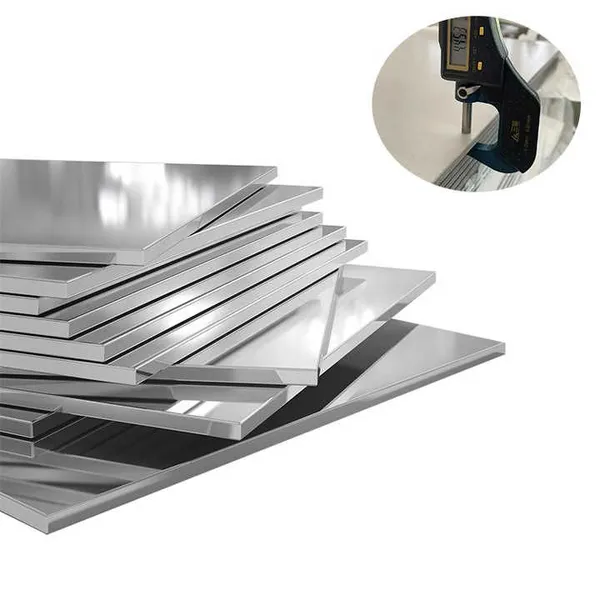
304/304L/316/409/410/904L/2205/2507/310H Premium Stainless Steel Sheets Supplier Custom Sizes & FinishesUS$ 1.72MOQ: 1 Ton
-
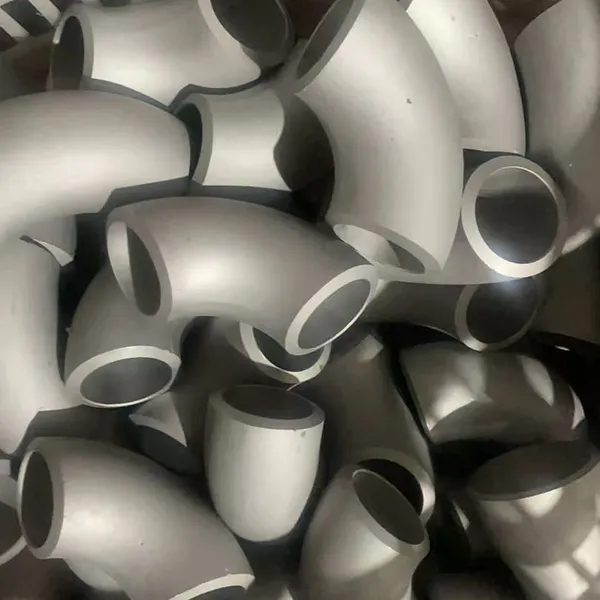
Stainless Steel ASME B16.9 Sch 45 90 Degree Pipe Fittings ElbowUS$ 8MOQ: 1 Piece
-
China Brand Zz 304L 316/316L GB En JIS Standard Thin Wall Welded Stainless Steel Water Pipe/TubeNegotiableMOQ: 2 Meters
-
BA 4 Inch 6 Inch 8 Inch 201 304 304L 316 316L Welded Seamless Stainless Steel PipeNegotiableMOQ: 2 Meters
-
ASME B36.19M-2004 SCH40S Stainless Steel Pipe - Complies With EU 3.1 CertificationUS$ 1 - 650MOQ: 1 Piece
-
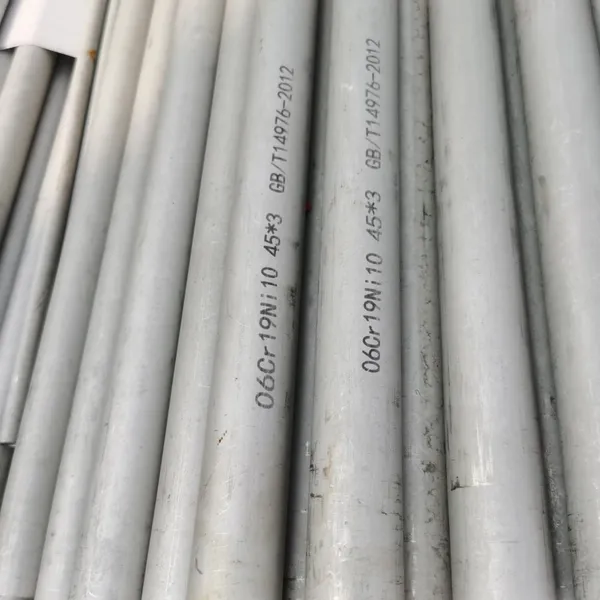
Factory TP309/TP309S/TP309H (UNS30900) Seamless Stainless Steel Pipe and Tube for Boiler BafflesUS$ 8MOQ: 200 Kilograms
-
TP347/TP347H/1.4961/S34709 Seamless Stainless Steel Pipe for UseNegotiableMOQ: 2 Meters
-
China 304 316 Stainless Steel Sanitary Welded Tube Food Grade Sanitary Grade Welded Pipe PolishingNegotiableMOQ: 1 Piece
-
China Manufacture Stainless Steel 316L Ba Seamless Welded Steel Pipe TubesUS$ 1760 - 1860MOQ: 5 Tons
-
316L/1.4405 Seamless Stainless Steel PipeNegotiableMOQ: 2 Meters
-
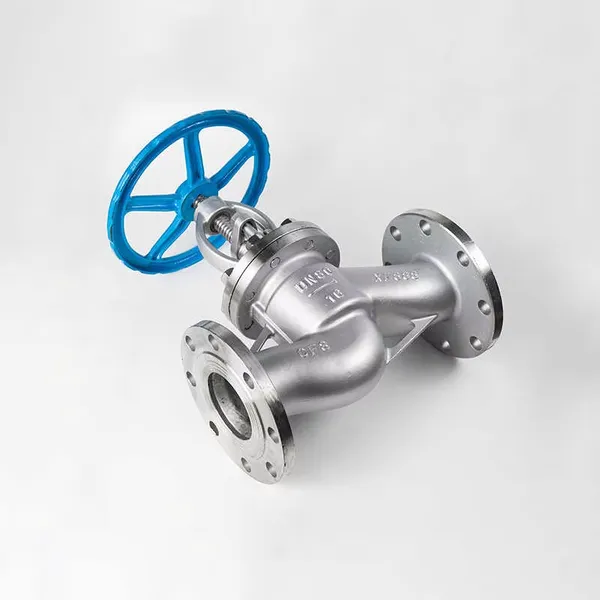
Stainless Steel Globe Valve – High Durability & Corrosion ResistanceNegotiableMOQ: 1 Piece
-
1.4529 Stainless Steel Flat Plate for Chemical Processing EquipmentUS$ 25 - 35MOQ: 1 Kilogram
-
Color Coated Steel Panels for Warehouse Partition Walls (Fireproof Grade)US$ 1 - 1.2MOQ: 50 Kilograms
-
Custom Width (600mm-1250mm) Colored Steel Coil With Scratch ResistanceUS$ 1 - 1.2MOQ: 50 Kilograms
-
0.5mm-3.0mm Colored Coated Steel Sheet With PVDF/Polyester CoatingUS$ 1 - 1.2MOQ: 50 Kilograms
-
JIS G 3322 Compliant Colored Coils With Third-Party Inspection ReportUS$ 1 - 1.2MOQ: 50 Kilograms