
 Business License

Is it normal for there to be white marks on the surface of stainless steel pipes after pickling
The white marks that appear on the surface of stainless steel pipes after pickling and passivation need to be judged on a case-by-case basis to determine if they are normal. The key distinction lies in whether the cause of the marks is harmless residual products or harmful process defects or signs of corrosion.
I. Normal White Traces
These white traces are mostly residues of soluble salts produced during the passivation process or the natural appearance of a uniform and dense passivation film, which have no negative impact on the performance of the pipe material.
Residual salt crystallization: The passivation solution contains components such as nitric acid and chromate. If the pipe is not thoroughly cleaned after passivation, the remaining passivation solution will dry on the surface and form white salt crystals, presenting as a uniform white frost or slight white spots. These traces are loose in texture and can be easily removed with a clean damp cloth or deionized water. After removal, the pipe surface is smooth and free of roughness.
Natural appearance of a uniform passivation film: For some stainless steel grades, after passivation treatment, a uniform thickness passivation film forms on the surface, which may have a slightly uniform "milky white" texture rather than a mirror-like shine. This is a normal appearance of the passivation film, indicating that the film is complete and actually proves that the passivation effect meets the standard, requiring no additional treatment.
II. Abnormal White Stains
This type of white stains is essentially a surface issue caused by improper processing or material defects, which can affect the corrosion resistance of the pipe and is a defect that needs to be rectified.
White pitting / mottling caused by over-acid washing: If the concentration of the acid washing and passivation solution is too high or the treatment time is too long, it will result in "over-acid washing", where the base metal on the surface of the stainless steel is overly corroded, forming rough white pitting or mottling. These stains cannot be removed by wiping and will have a distinct rough feel when touched. They also damage the integrity of the passivation film, significantly reducing corrosion resistance and making it prone to rusting later on.
White rust spots caused by iron ion contamination: During the acid washing and passivation process, if carbon steel tools, fixtures, or iron ion dust in the environment come into contact with the stainless steel surface, iron ions will adhere to it, forming white iron oxide spots. These spots are initially white but will gradually turn into yellow rust spots over time. They are typical precursors to corrosion and can trigger pitting.
Local white corrosion caused by weld defects: If there are defects such as porosity or slag inclusion in the pipe weld, the acid washing and passivation solution will remain inside the defects and react with the base metal, forming local white corrosion products. These stains are mostly concentrated in the weld area and are accompanied by obvious unevenness.
III. Quick Judgment and Handling Methods
Simple Judgment Method
Wipe the marks with a clean damp cloth or deionized water: If the marks can be easily wiped off and the surface is smooth and free of marks after wiping → Normal residue, no need to worry;
If the marks still exist after wiping, or the surface is rough and has pockmarks → Abnormal defect, needs to be handled.
Combined with the blue dot method for detection: If there are no blue spots on the surface after wiping and the blue dot method is used for detection, it indicates that the passivation film is qualified; if there are blue spots, it indicates that the passivation film is incomplete and is an abnormal situation.
Targeted Handling Measures
Normal residue of salts: Rinse the surface with an adequate amount of deionized water and then thoroughly dry with hot air;
Traces of over-acid washing or iron contamination: First, remove the defective layer with fine sandpaper or stainless steel polishing paste, and then re-perform acid washing and passivation according to the standard process, strictly controlling the concentration of the passivation solution and the treatment time;
Traces caused by weld defects: First, repair the weld defects by welding and grinding, and then re-perform acid washing and passivation treatment.
Recently Posted
-
Does the stainless steel welded pipe have specific temperature requirements during the solution heat
January 20, 2026Solution heat treatment involves heating stainless steel to a high temperature and then rapidly cooling it to achieve an oversatur Read More
 -
Can stainless steel welded pipes be made into thick pipes
January 20, 2026With the improvement of high-quality welding technology and increasingly strict weld inspection, the application fields of s Read More
 -
Three types of commonly available food-grade stainless steel on the market
January 20, 2026The common food-grade stainless steel pipes are mainly composed of iron, chromium and carbon and other elements. Household stainle Read More
 -
What are the requirements for stainless steel welding pipe production equipment
January 20, 2026As is well known, stainless steel welded pipes have been widely used in various industries such as machinery, chemical engineering Read More

Contact Us
Recommended Products
-
 Stainless Steel Elbow Welded Elbow 45/90/180-degree Seamless Pressed Elbow Long Radius Elbow Short Radius Elbow WholesaleNegotiableMOQ: 1 Piece
 -
316L/1.4405 Seamless Stainless Steel PipeNegotiableMOQ: 2 Meters
-
310s 440 Seamless Sanitary Piping Price 321 904l 201 20 Inch Seamless Steel Pipe A554 Stainless Steel PipeNegotiableMOQ: 1 Piece
-
China Brand ZZ Wholesale 304L 316 316L Welded Austenitic Piping Stainless Steel Pipe SupplierNegotiableMOQ: 2 Meters
-
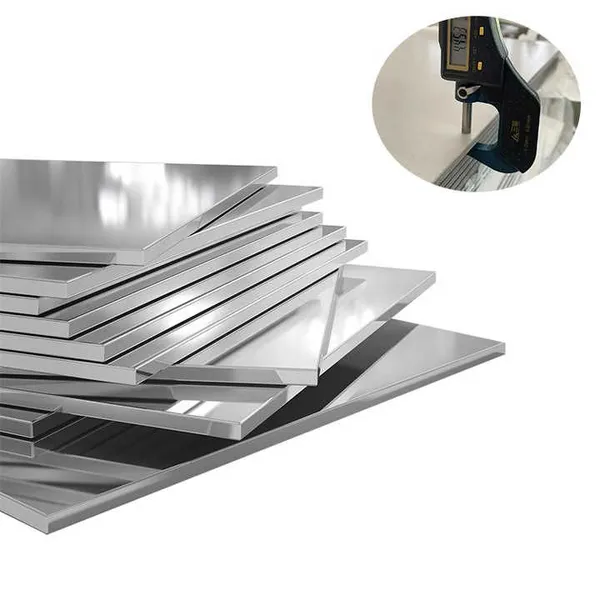
304/304L/316/409/410/904L/2205/2507/310H Premium Stainless Steel Sheets Supplier Custom Sizes & FinishesUS$ 1.72MOQ: 1 Ton
-
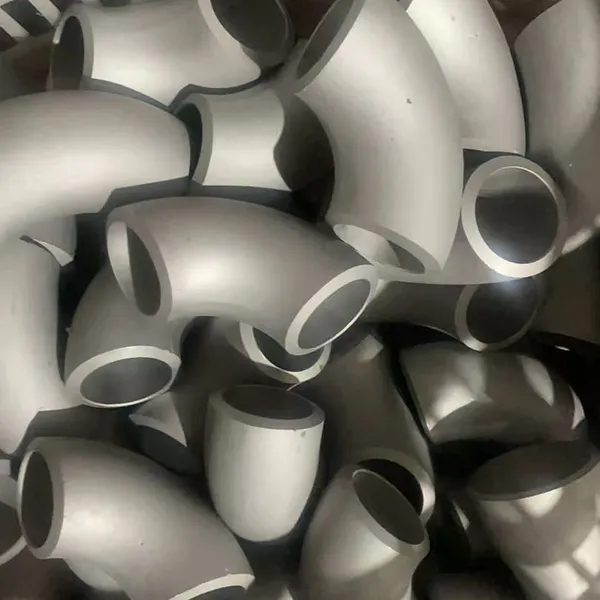
Stainless Steel ASME B16.9 Sch 45 90 Degree Pipe Fittings ElbowUS$ 8MOQ: 1 Piece
-
China Brand Zz 304L 316/316L GB En JIS Standard Thin Wall Welded Stainless Steel Water Pipe/TubeNegotiableMOQ: 2 Meters
-
BA 4 Inch 6 Inch 8 Inch 201 304 304L 316 316L Welded Seamless Stainless Steel PipeNegotiableMOQ: 2 Meters
-
ASME B36.19M-2004 SCH40S Stainless Steel Pipe - Complies With EU 3.1 CertificationUS$ 1 - 650MOQ: 1 Piece
-
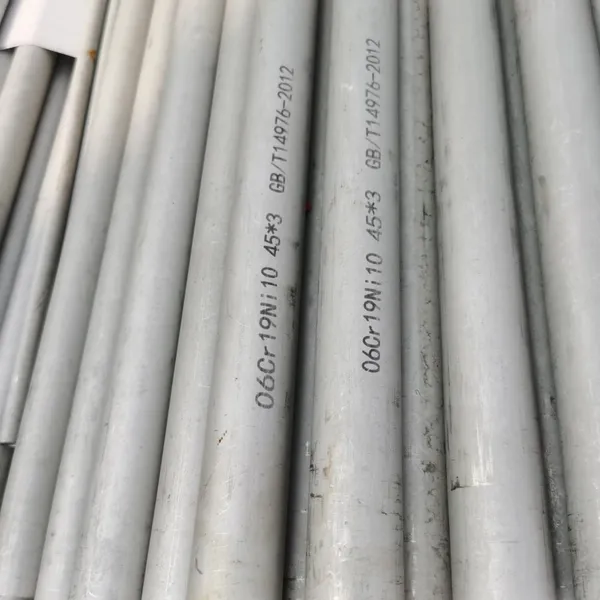
Factory TP309/TP309S/TP309H (UNS30900) Seamless Stainless Steel Pipe and Tube for Boiler BafflesUS$ 8MOQ: 200 Kilograms
-
TP347/TP347H/1.4961/S34709 Seamless Stainless Steel Pipe for UseNegotiableMOQ: 2 Meters
-
China 304 316 Stainless Steel Sanitary Welded Tube Food Grade Sanitary Grade Welded Pipe PolishingNegotiableMOQ: 1 Piece
-
China Manufacture Stainless Steel 316L Ba Seamless Welded Steel Pipe TubesUS$ 1760 - 1860MOQ: 5 Tons
-
316L/1.4405 Seamless Stainless Steel PipeNegotiableMOQ: 2 Meters
-
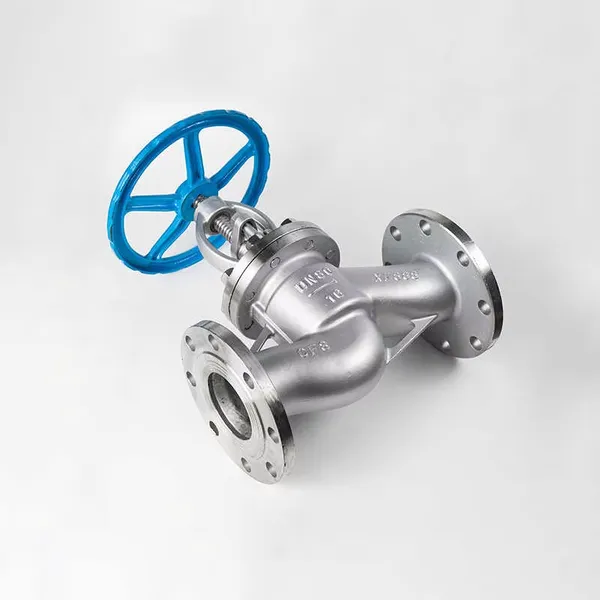
Stainless Steel Globe Valve – High Durability & Corrosion ResistanceNegotiableMOQ: 1 Piece
-
1.4529 Stainless Steel Flat Plate for Chemical Processing EquipmentUS$ 25 - 35MOQ: 1 Kilogram
-
Color Coated Steel Panels for Warehouse Partition Walls (Fireproof Grade)US$ 1 - 1.2MOQ: 50 Kilograms
-
Custom Width (600mm-1250mm) Colored Steel Coil With Scratch ResistanceUS$ 1 - 1.2MOQ: 50 Kilograms
-
0.5mm-3.0mm Colored Coated Steel Sheet With PVDF/Polyester CoatingUS$ 1 - 1.2MOQ: 50 Kilograms
-
JIS G 3322 Compliant Colored Coils With Third-Party Inspection ReportUS$ 1 - 1.2MOQ: 50 Kilograms