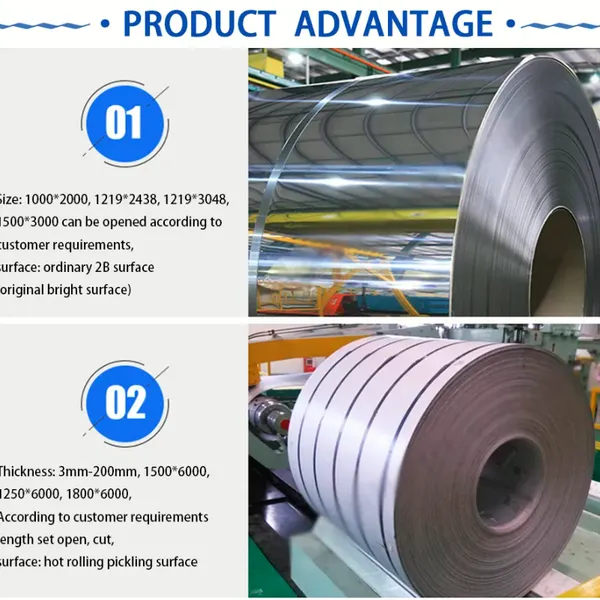

 Business License

What are the performance characteristics of stainless steel welded pipes at low temperatures
What are the properties of stainless steel welded pipes at low temperatures? At low temperatures, the resistance, linear expansion coefficient, thermal conductivity, specific heat capacity at temperature, and magnetism of stainless steel welded pipes will undergo significant changes. The resistance and linear expansion coefficient decrease at low temperatures; the thermal conductivity and specific heat capacity sharply decrease at low temperatures; the Young's modulus (tensile modulus) increases simultaneously when the temperature drops. Because the austenitic series stainless steel pipes have the Ms point (the start temperature of martensitic transformation or the temperature at which martensite is formed) at low temperatures, when kept below the Ms point, martensite can be generated. The generation of martensite at low temperatures causes the representative steel type SUS304 (18Cr-8Ni) of the austenitic series stainless steel to be non-magnetic at room temperature but magnetic in the low-temperature environment.
In a low-temperature environment, the deformation energy is small. The phenomenon where the elongation and the reduction of area decrease in a low-temperature environment is called low-temperature embrittlement. It usually occurs in the body-centered cubic structure of the ferrite series.
Low temperatures are mainly related to reduced solar radiation and the application of artificial cooling sources. In the high-latitude regions of the Earth (such as the polar regions above 66.5° latitude, the Siberian region of Russia, the northeastern, northwestern and north-central regions of China in winter), solar radiation is significantly reduced; in temperate and some subtropical regions, the winter temperature can be lower than 0°C, and the relative humidity is high, making frostbite more likely to occur. Artificial cooling sources are mainly found in occupational workplaces, such as various cold storage facilities, the production, transportation and use of cooling agents. Appropriate temperature is a necessary condition for the existence of living organisms, but various organisms have very different adaptability to temperature changes. When the environmental temperature undergoes drastic changes, it can cause certain injuries or diseases. During temperature changes, low temperatures can become a cause of illness or the triggering of diseases. During low-temperature operations with stainless steel pipes, the environmental factors determine whether hypothermia occurs; the body mainly dissipates heat through evaporation, conduction and convection; and wind speed and temperature are the main factors affecting evaporative heat dissipation. The humidity in the working environment of stainless steel pipes also has a significant impact on low-temperature operations.
Recently Posted
-
Does the stainless steel welded pipe have specific temperature requirements during the solution heat
January 20, 2026Solution heat treatment involves heating stainless steel to a high temperature and then rapidly cooling it to achieve an oversatur Read More
 -
Can stainless steel welded pipes be made into thick pipes
January 20, 2026With the improvement of high-quality welding technology and increasingly strict weld inspection, the application fields of s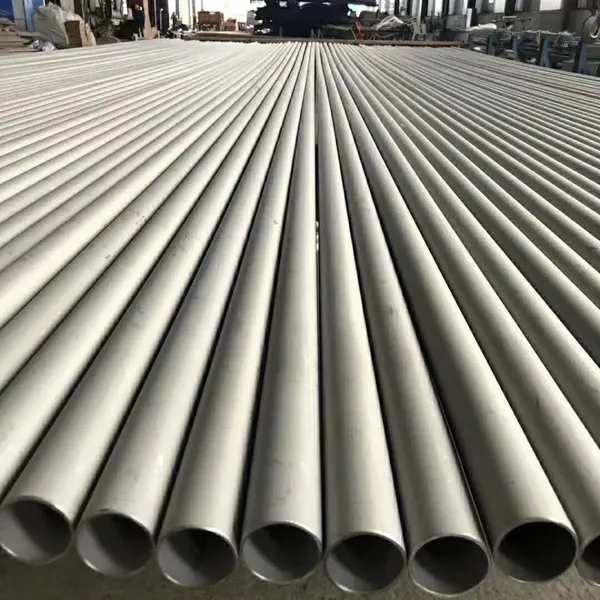 Read More
 -
Three types of commonly available food-grade stainless steel on the market
January 20, 2026The common food-grade stainless steel pipes are mainly composed of iron, chromium and carbon and other elements. Household stainle Read More
 -
What are the requirements for stainless steel welding pipe production equipment
January 20, 2026As is well known, stainless steel welded pipes have been widely used in various industries such as machinery, chemical engineering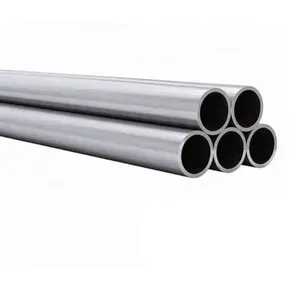 Read More

Contact Us
Recommended Products
-
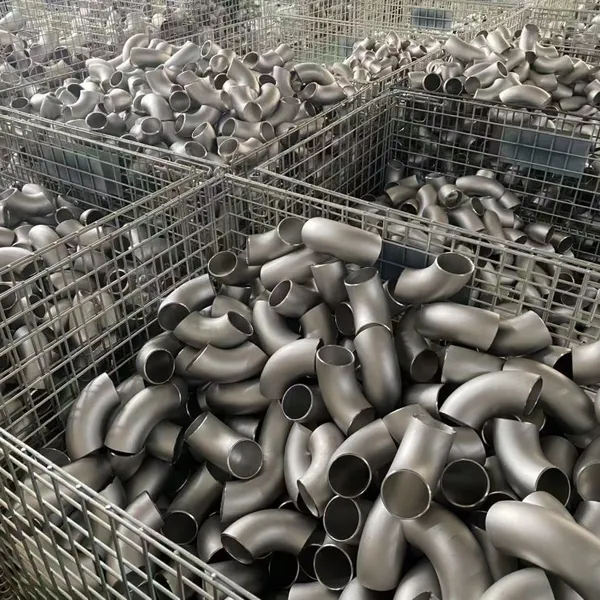
 Stainless Steel Elbow Welded Elbow 45/90/180-degree Seamless Pressed Elbow Long Radius Elbow Short Radius Elbow WholesaleNegotiableMOQ: 1 Piece
 -
316L/1.4405 Seamless Stainless Steel PipeNegotiableMOQ: 2 Meters
-
310s 440 Seamless Sanitary Piping Price 321 904l 201 20 Inch Seamless Steel Pipe A554 Stainless Steel PipeNegotiableMOQ: 1 Piece
-
China Brand ZZ Wholesale 304L 316 316L Welded Austenitic Piping Stainless Steel Pipe SupplierNegotiableMOQ: 2 Meters
-
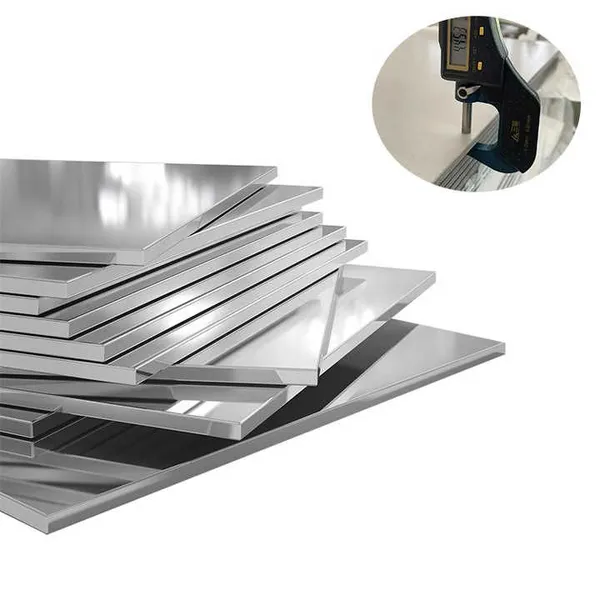
304/304L/316/409/410/904L/2205/2507/310H Premium Stainless Steel Sheets Supplier Custom Sizes & FinishesUS$ 1.72MOQ: 1 Ton
-
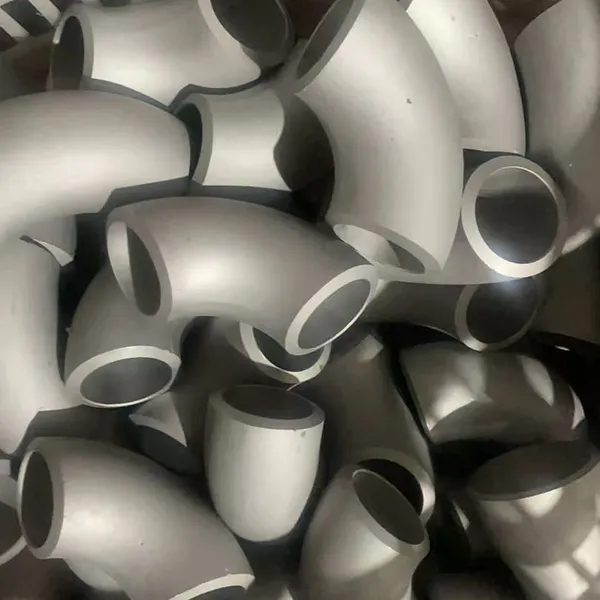
Stainless Steel ASME B16.9 Sch 45 90 Degree Pipe Fittings ElbowUS$ 8MOQ: 1 Piece
-
China Brand Zz 304L 316/316L GB En JIS Standard Thin Wall Welded Stainless Steel Water Pipe/TubeNegotiableMOQ: 2 Meters
-
BA 4 Inch 6 Inch 8 Inch 201 304 304L 316 316L Welded Seamless Stainless Steel PipeNegotiableMOQ: 2 Meters
-
ASME B36.19M-2004 SCH40S Stainless Steel Pipe - Complies With EU 3.1 CertificationUS$ 1 - 650MOQ: 1 Piece
-
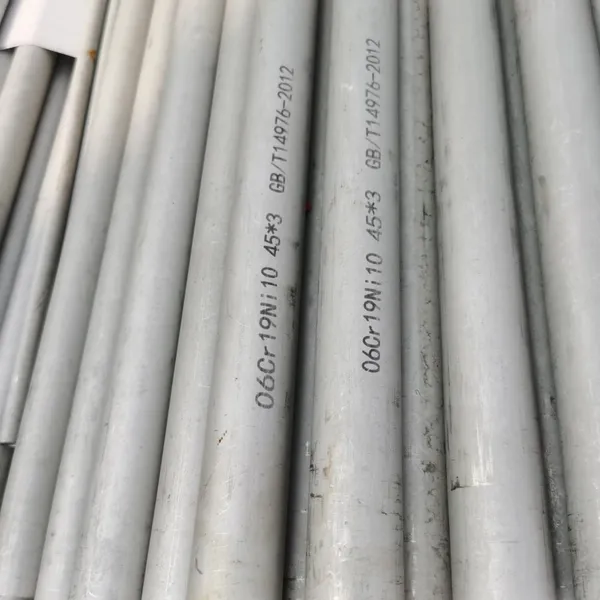
Factory TP309/TP309S/TP309H (UNS30900) Seamless Stainless Steel Pipe and Tube for Boiler BafflesUS$ 8MOQ: 200 Kilograms
-
TP347/TP347H/1.4961/S34709 Seamless Stainless Steel Pipe for UseNegotiableMOQ: 2 Meters
-
China 304 316 Stainless Steel Sanitary Welded Tube Food Grade Sanitary Grade Welded Pipe PolishingNegotiableMOQ: 1 Piece
-
China Manufacture Stainless Steel 316L Ba Seamless Welded Steel Pipe TubesUS$ 1760 - 1860MOQ: 5 Tons
-
316L/1.4405 Seamless Stainless Steel PipeNegotiableMOQ: 2 Meters
-
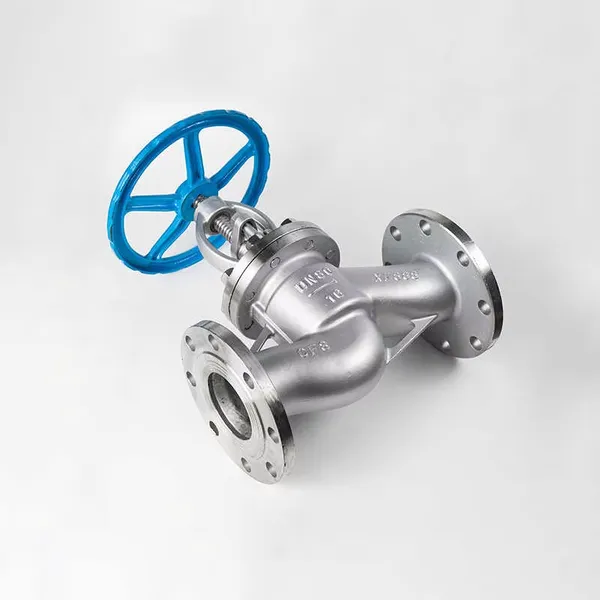
Stainless Steel Globe Valve – High Durability & Corrosion ResistanceNegotiableMOQ: 1 Piece
-
1.4529 Stainless Steel Flat Plate for Chemical Processing EquipmentUS$ 25 - 35MOQ: 1 Kilogram
-
Color Coated Steel Panels for Warehouse Partition Walls (Fireproof Grade)US$ 1 - 1.2MOQ: 50 Kilograms
-
Custom Width (600mm-1250mm) Colored Steel Coil With Scratch ResistanceUS$ 1 - 1.2MOQ: 50 Kilograms
-
0.5mm-3.0mm Colored Coated Steel Sheet With PVDF/Polyester CoatingUS$ 1 - 1.2MOQ: 50 Kilograms
-
JIS G 3322 Compliant Colored Coils With Third-Party Inspection ReportUS$ 1 - 1.2MOQ: 50 Kilograms