
 Business License

Corrosion prevention methods and protection effects for welds of 904L stainless steel pipes
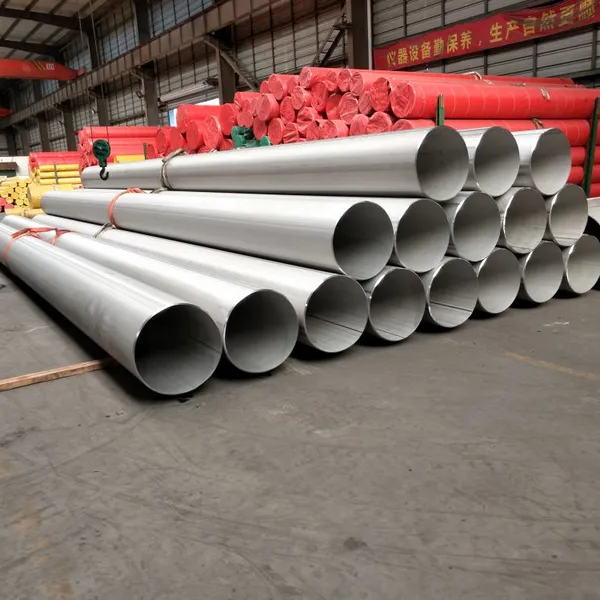
Materials with good resistance to seawater corrosion are widely used in marine engineering. However, in actual engineering applications, various corrosion damages often occur at the connection parts of this stainless steel, especially at the welding areas, causing significant losses. Therefore, this paper conducts a comprehensive experimental analysis and research on the seawater corrosion and anti-corrosion mechanism of the weld seams of stainless steel based on its characteristics of seawater corrosion. Firstly, the chemical composition, non-metallic inclusions, and microstructure of the welding area (weld seam, heat affected zone, base metal) of 904L stainless steel pipe (N08904) were experimentally studied. At the same time, the existence of corrosion microcells was verified through polarization curves and AC impedance spectroscopy measurements, thereby obtaining the mechanism of local corrosion. Then, experiments were conducted to study the important factors affecting the seawater corrosion resistance of stainless steel, such as seawater concentration and welding processes. Through experimental analysis, it was found that after adopting a new welding process, the microstructure properties of the weld seam were improved, and the corrosion resistance was significantly enhanced. In addition, when the seawater salinity was approximately 3%, the corrosion rate of the weld seam of 904L stainless steel pipe (N08904) was the highest.
Secondly, the anti-corrosion methods and protection effects of the welds of 904L stainless steel pipes (N08904) were studied. Firstly, an external current cathodic protection test was conducted on the bare steel without coating to obtain the protection potential of different areas of the weld. After applying cathodic protection, the corrosion of the stainless steel welds was significantly reduced. Then, an experimental study was carried out on the protection effect of combined coating protection and cathodic protection. The optimal protection potential range during combined protection was obtained, and the corrosion current density and protection degree under the optimal protection potential were calculated. Compared with adding a protective coating alone, the corrosion rate was significantly reduced, indicating that the combined protection technology has a better protective effect on stainless steel corrosion. After deammonification, it enters the cyclone acid removal part of the saturator. The welds of 904L stainless steel pipes (N08904) in the production of purified coke oven gas by Tianhong Chemical Plant of the Chemical Division of the company produce 19,000 m3/h of coke oven gas. Among them, the ammonia in the gas is absorbed and removed by the spray-type saturator in the ammonium sulfate process. After the process was put into use, some welds of the pipelines and equipment suffered severe corrosion and leakage, which affected the production of ammonium sulfate and reduced the yield of ammonium sulfate. I. Process Flow Overview The coke oven gas from the blower and cooling process is first preheated by a gas preheater and then enters the spray-type saturator absorption chamber. This chamber is in contact with the reverse spraying ammonium sulfate mother liquor, and the ammonia in the gas is removed. 904L stainless steel pipes (N08904) belong to the austenitic stainless steel series. From the flange connection of the spiral flange, the coke oven gas enters the absorption chamber of the spray-type saturator. The gas outlet of the absorption chamber of the saturator is sprayed with highly acidic mother liquor to absorb ammonia gas. The ammonium sulfate mother liquor after absorbing ammonia enters the crystallization chamber of the saturator. The mother liquor in the upper part of the crystallization chamber is transported to the upper absorption chamber of the saturator by a circulating mother liquor pump for cyclic use. The mother liquor containing crystals in the bottom is sent to the crystallization tank by a crystallization pump. The ammonium sulfate crystals and mother liquor are separated, and the separated mother liquor is returned to the saturator through the reflux pipe for recirculation. The separated ammonium sulfate crystals from the bottom of the crystallization tank enter the centrifuge for further separation, and are dehydrated by a fluidized bed dryer before being packaged and stored.
Recently Posted
-
Does the stainless steel welded pipe have specific temperature requirements during the solution heat
January 20, 2026Solution heat treatment involves heating stainless steel to a high temperature and then rapidly cooling it to achieve an oversatur Read More
 -
Can stainless steel welded pipes be made into thick pipes
January 20, 2026With the improvement of high-quality welding technology and increasingly strict weld inspection, the application fields of s Read More
 -
Three types of commonly available food-grade stainless steel on the market
January 20, 2026The common food-grade stainless steel pipes are mainly composed of iron, chromium and carbon and other elements. Household stainle Read More
 -
What are the requirements for stainless steel welding pipe production equipment
January 20, 2026As is well known, stainless steel welded pipes have been widely used in various industries such as machinery, chemical engineering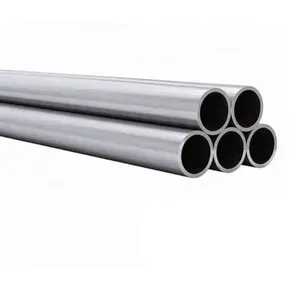 Read More

Contact Us
Recommended Products
-
 Stainless Steel Elbow Welded Elbow 45/90/180-degree Seamless Pressed Elbow Long Radius Elbow Short Radius Elbow WholesaleNegotiableMOQ: 1 Piece
 -
316L/1.4405 Seamless Stainless Steel PipeNegotiableMOQ: 2 Meters
-
310s 440 Seamless Sanitary Piping Price 321 904l 201 20 Inch Seamless Steel Pipe A554 Stainless Steel PipeNegotiableMOQ: 1 Piece
-
China Brand ZZ Wholesale 304L 316 316L Welded Austenitic Piping Stainless Steel Pipe SupplierNegotiableMOQ: 2 Meters
-
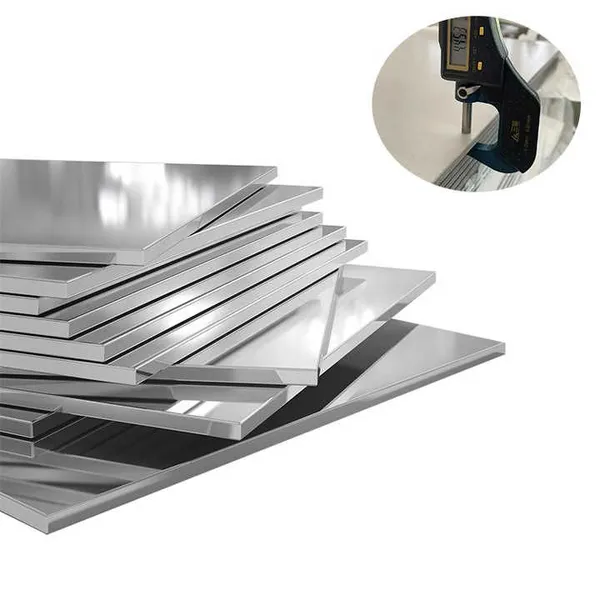
304/304L/316/409/410/904L/2205/2507/310H Premium Stainless Steel Sheets Supplier Custom Sizes & FinishesUS$ 1.72MOQ: 1 Ton
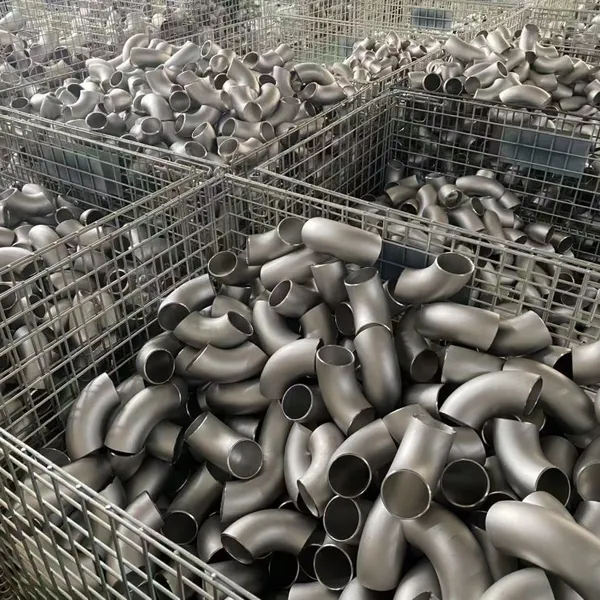
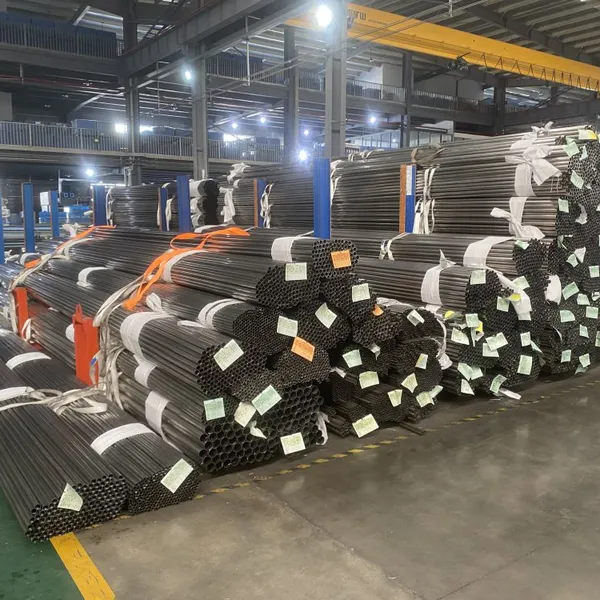
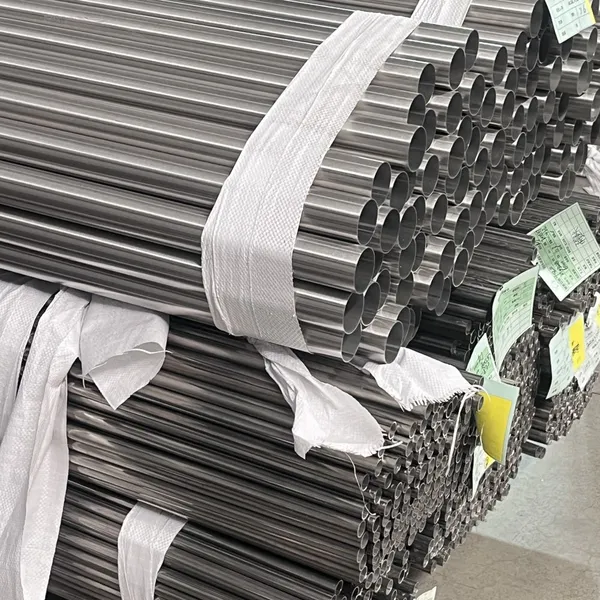
-
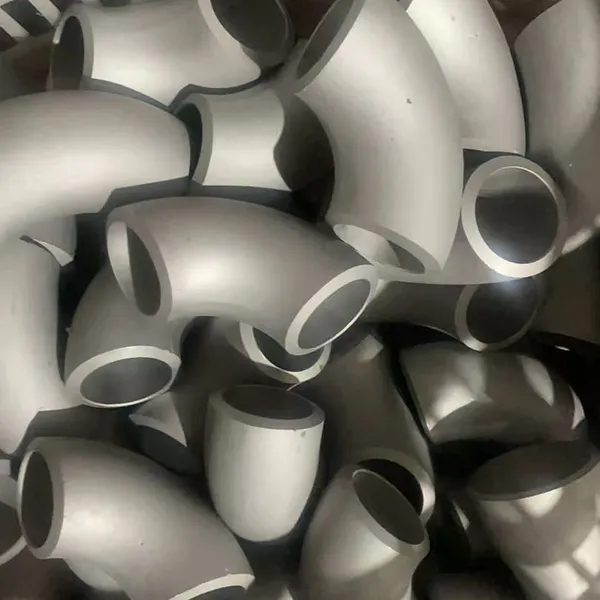
Stainless Steel ASME B16.9 Sch 45 90 Degree Pipe Fittings ElbowUS$ 8MOQ: 1 Piece
-
China Brand Zz 304L 316/316L GB En JIS Standard Thin Wall Welded Stainless Steel Water Pipe/TubeNegotiableMOQ: 2 Meters
-
BA 4 Inch 6 Inch 8 Inch 201 304 304L 316 316L Welded Seamless Stainless Steel PipeNegotiableMOQ: 2 Meters
-
ASME B36.19M-2004 SCH40S Stainless Steel Pipe - Complies With EU 3.1 CertificationUS$ 1 - 650MOQ: 1 Piece
-
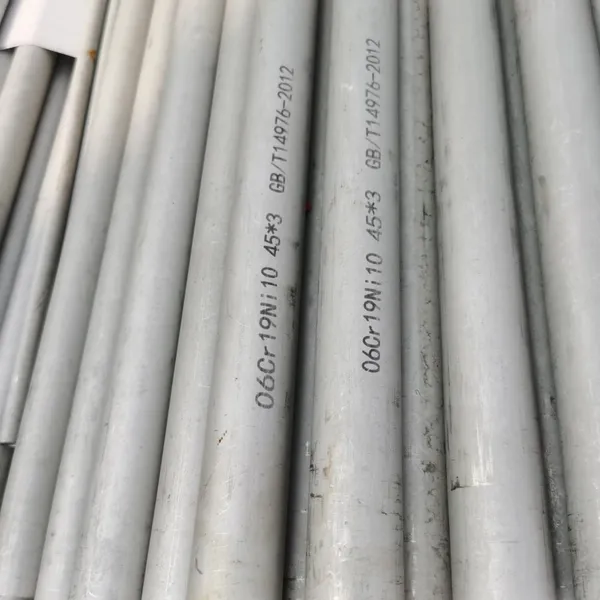
Factory TP309/TP309S/TP309H (UNS30900) Seamless Stainless Steel Pipe and Tube for Boiler BafflesUS$ 8MOQ: 200 Kilograms
-
TP347/TP347H/1.4961/S34709 Seamless Stainless Steel Pipe for UseNegotiableMOQ: 2 Meters
-
China 304 316 Stainless Steel Sanitary Welded Tube Food Grade Sanitary Grade Welded Pipe PolishingNegotiableMOQ: 1 Piece
-
China Manufacture Stainless Steel 316L Ba Seamless Welded Steel Pipe TubesUS$ 1760 - 1860MOQ: 5 Tons
-
316L/1.4405 Seamless Stainless Steel PipeNegotiableMOQ: 2 Meters
-
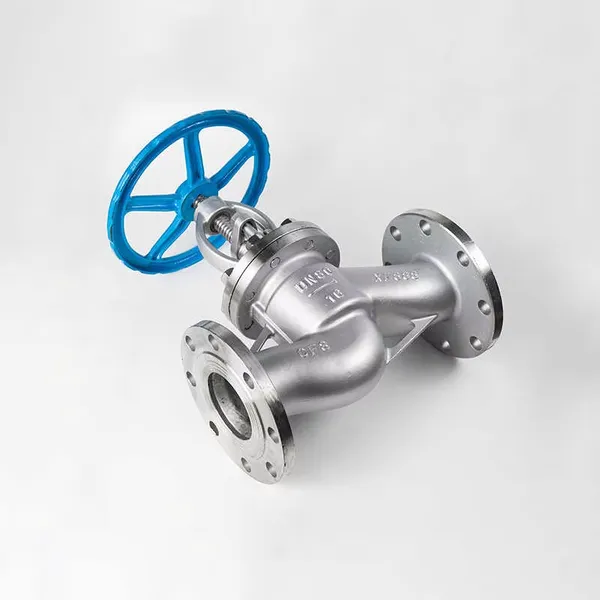
Stainless Steel Globe Valve – High Durability & Corrosion ResistanceNegotiableMOQ: 1 Piece
-
1.4529 Stainless Steel Flat Plate for Chemical Processing EquipmentUS$ 25 - 35MOQ: 1 Kilogram
-
Color Coated Steel Panels for Warehouse Partition Walls (Fireproof Grade)US$ 1 - 1.2MOQ: 50 Kilograms
-
Custom Width (600mm-1250mm) Colored Steel Coil With Scratch ResistanceUS$ 1 - 1.2MOQ: 50 Kilograms
-
0.5mm-3.0mm Colored Coated Steel Sheet With PVDF/Polyester CoatingUS$ 1 - 1.2MOQ: 50 Kilograms
-
JIS G 3322 Compliant Colored Coils With Third-Party Inspection ReportUS$ 1 - 1.2MOQ: 50 Kilograms