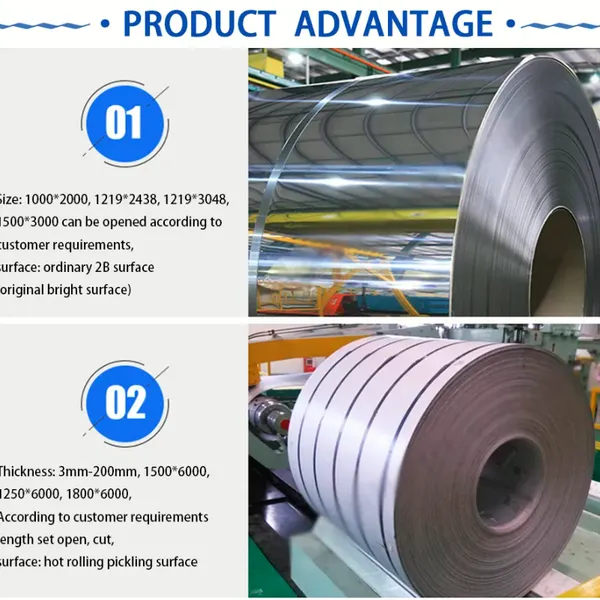

 Business License

The properties of ferritic stainless steel
Ferritic stainless steel is a chromium-based stainless steel without nickel. It possesses the forming properties, economic advantages, corrosion resistance, and oxidation resistance that nickel-containing stainless steel has. Its characteristics are low cost and excellent stress corrosion resistance. It is also known as economical stainless steel.
Ferritic stainless steel has a body-centered cubic crystal structure. Except for a few grades, it generally does not contain the scarce alloy element nickel. Compared with the chromium-nickel body-stainless steel that can be used as a substitute, it has obvious cost advantages.
Chromium-nickel stainless steel is highly sensitive to stress corrosion. In some ineffective accidents involving stainless steel equipment and components, stress corrosion failure accounts for a significant proportion. In contrast, ferritic stainless steel has excellent resistance to stress corrosion.
The ferritic stainless steel has a higher ferromagnetic property and thermal conductivity. It is approximately 130% to 150% of that of chromium-nickel stainless steel. It is highly suitable for applications involving heat exchange. Its coefficient of linear expansion is only 60% to 70% of that of chromium-nickel stainless steel, making it particularly suitable for applications involving thermal expansion, contraction, and cyclic heat exposure.
The magnetic properties of ferritic stainless steel are utilized in various applications such as in refrigerators, knives, and other metal items for closing purposes. However, the drawback of ferritic stainless steel is its poor weldability and relatively high brittleness, which limits its usage scope. Ferritic stainless steel can be classified into ordinary ferritic stainless steel, ultra-low carbon ferritic stainless steel, high-purity ferritic stainless steel, and ultra-pure ferritic stainless steel based on the content of carbon and nitrogen.
Among them, the ultra-pure iron matrix reduces the content of carbon and nitrogen in ferritic stainless steel, ensuring that the content of carbon and nitrogen is less than or equal to 0.01%. Additionally, a small amount of alloy elements such as titanium, niobium, copper, aluminum, and vanadium are also added. This has significantly improved the corrosion resistance, mechanical properties, and welding performance of this type of stainless steel, achieving superior performance compared to ordinary ferritic stainless steel. This is also a development trend of ferritic stainless steel.
The application of ferritic stainless steel
Currently, in line with the requirements of sustainable development, ultra-pure ferritic stainless steel that does not contain the metal element nickel (which can cause allergies in humans) is a relatively high-quality resource-saving and environmentally friendly stainless steel material. Especially in recent years, the niobium-containing ferritic stainless steel that has been rapidly developed has demonstrated excellent corrosion resistance, formability, and stress corrosion resistance, with lower costs, and is commonly used in the automotive and construction industries, etc.
Recently Posted
-
Does the stainless steel welded pipe have specific temperature requirements during the solution heat
January 20, 2026Solution heat treatment involves heating stainless steel to a high temperature and then rapidly cooling it to achieve an oversatur Read More
 -
Can stainless steel welded pipes be made into thick pipes
January 20, 2026With the improvement of high-quality welding technology and increasingly strict weld inspection, the application fields of s Read More
 -
Three types of commonly available food-grade stainless steel on the market
January 20, 2026The common food-grade stainless steel pipes are mainly composed of iron, chromium and carbon and other elements. Household stainle Read More
 -
What are the requirements for stainless steel welding pipe production equipment
January 20, 2026As is well known, stainless steel welded pipes have been widely used in various industries such as machinery, chemical engineering Read More

Contact Us
Recommended Products
-
 Stainless Steel Elbow Welded Elbow 45/90/180-degree Seamless Pressed Elbow Long Radius Elbow Short Radius Elbow WholesaleNegotiableMOQ: 1 Piece
 -
316L/1.4405 Seamless Stainless Steel PipeNegotiableMOQ: 2 Meters
-
310s 440 Seamless Sanitary Piping Price 321 904l 201 20 Inch Seamless Steel Pipe A554 Stainless Steel PipeNegotiableMOQ: 1 Piece
-
China Brand ZZ Wholesale 304L 316 316L Welded Austenitic Piping Stainless Steel Pipe SupplierNegotiableMOQ: 2 Meters
-
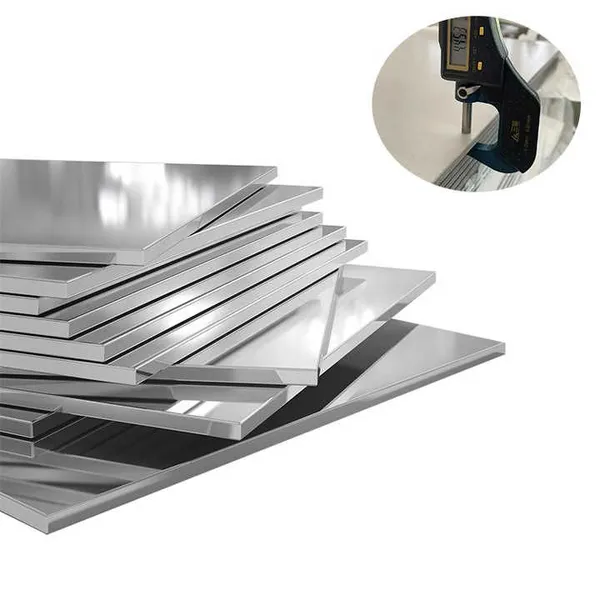
304/304L/316/409/410/904L/2205/2507/310H Premium Stainless Steel Sheets Supplier Custom Sizes & FinishesUS$ 1.72MOQ: 1 Ton
-
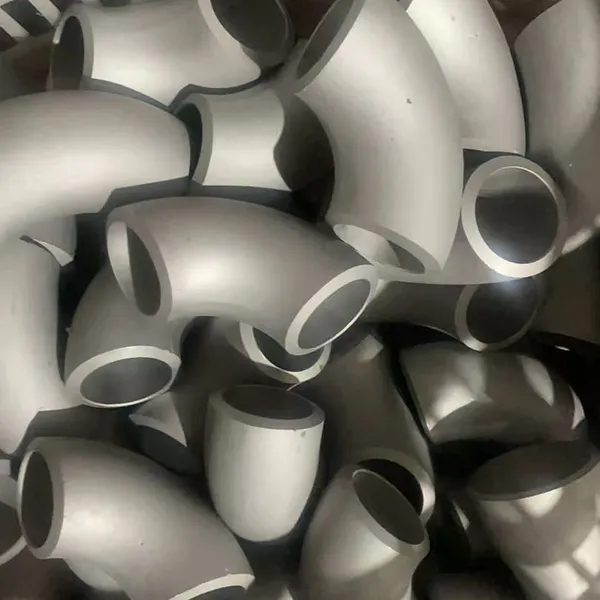
Stainless Steel ASME B16.9 Sch 45 90 Degree Pipe Fittings ElbowUS$ 8MOQ: 1 Piece
-
China Brand Zz 304L 316/316L GB En JIS Standard Thin Wall Welded Stainless Steel Water Pipe/TubeNegotiableMOQ: 2 Meters
-
BA 4 Inch 6 Inch 8 Inch 201 304 304L 316 316L Welded Seamless Stainless Steel PipeNegotiableMOQ: 2 Meters
-
ASME B36.19M-2004 SCH40S Stainless Steel Pipe - Complies With EU 3.1 CertificationUS$ 1 - 650MOQ: 1 Piece
-
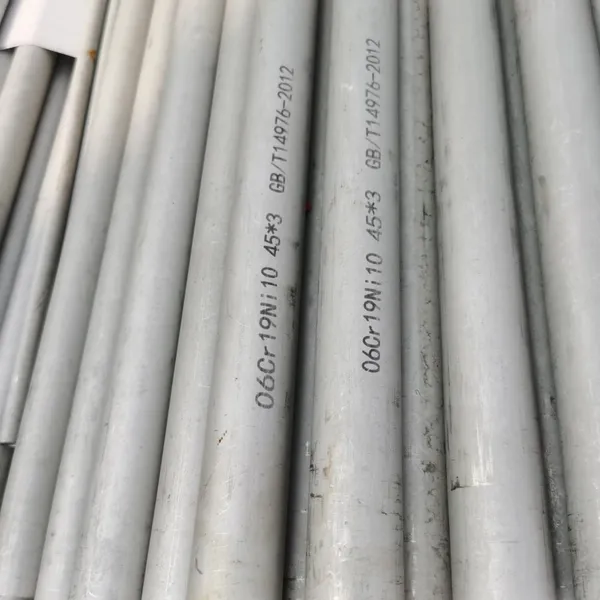
Factory TP309/TP309S/TP309H (UNS30900) Seamless Stainless Steel Pipe and Tube for Boiler BafflesUS$ 8MOQ: 200 Kilograms
-
TP347/TP347H/1.4961/S34709 Seamless Stainless Steel Pipe for UseNegotiableMOQ: 2 Meters
-
China 304 316 Stainless Steel Sanitary Welded Tube Food Grade Sanitary Grade Welded Pipe PolishingNegotiableMOQ: 1 Piece
-
China Manufacture Stainless Steel 316L Ba Seamless Welded Steel Pipe TubesUS$ 1760 - 1860MOQ: 5 Tons
-
316L/1.4405 Seamless Stainless Steel PipeNegotiableMOQ: 2 Meters
-
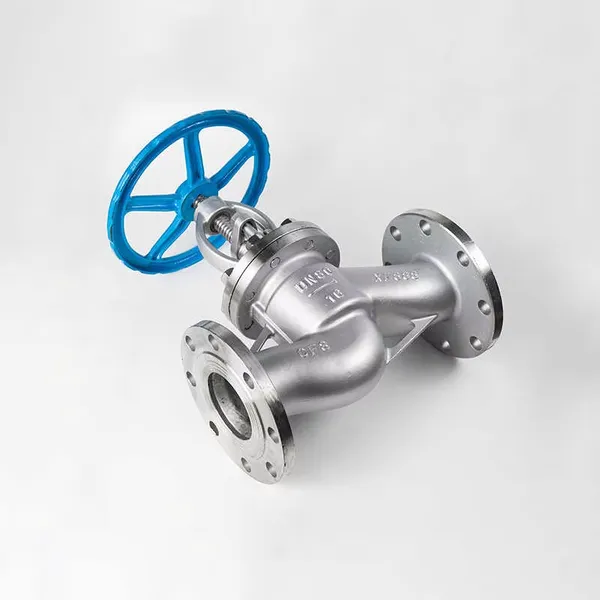
Stainless Steel Globe Valve – High Durability & Corrosion ResistanceNegotiableMOQ: 1 Piece
-
1.4529 Stainless Steel Flat Plate for Chemical Processing EquipmentUS$ 25 - 35MOQ: 1 Kilogram
-
Color Coated Steel Panels for Warehouse Partition Walls (Fireproof Grade)US$ 1 - 1.2MOQ: 50 Kilograms
-
Custom Width (600mm-1250mm) Colored Steel Coil With Scratch ResistanceUS$ 1 - 1.2MOQ: 50 Kilograms
-
0.5mm-3.0mm Colored Coated Steel Sheet With PVDF/Polyester CoatingUS$ 1 - 1.2MOQ: 50 Kilograms
-
JIS G 3322 Compliant Colored Coils With Third-Party Inspection ReportUS$ 1 - 1.2MOQ: 50 Kilograms