
 Business License

Superalloy martensitic stainless steel
The main metal microstructure in super martensitic stainless steel is tempered martensite. This low-carbon tempered martensite structure has high strength and toughness. Depending on the nickel content and the differences in heat treatment conditions, a small amount of 10% to 40% fine and dispersed residual austenite may appear in the microstructure of the base material of some super martensitic stainless steel. For super martensitic stainless steel with a chromium content of 16%, a small amount of δ ferrite may also appear in the microstructure. Therefore, in order to obtain the ideal fine-grained tempered martensite, the stainless steel plates are usually subjected to quenching and tempering treatment before delivery.
Super martensitic stainless steel not only has excellent corrosion resistance and weldability, but also has extremely high strength and excellent low-temperature toughness. Moreover, due to its very low carbon content, it effectively increases the chromium content proportion in the stainless steel metal, thus achieving extremely good corrosion resistance.
Superalloy
The concept of super austenitic stainless steel emerged along with super ferritic stainless steel and super duplex stainless steel. A typical example is super austenitic stainless steel containing 6% molybdenum and 7% molybdenum.
The well-known grades of austenitic stainless steel tubes include the 304 stainless steel (in China, it is 00Cr19Ni10) of the 18-8 (commonly 18-10 or 19-9) type and the 316 stainless steel (0Cr17Ni12Mo2) of the 18-12-2 type. To address the intergranular corrosion sensitivity caused by chromium carbide precipitation after welding in austenitic stainless steel, early solutions involved adding carbide stabilization elements such as titanium and niobium. In the late 1960s, the advent of off-line refining technologies like AOD and VOD reduced the carbon content in the steel to ≤0.03%, thereby eliminating the intergranular corrosion sensitivity of the sensitized state (post-welding) of austenitic stainless steel, improving the purity of the steel, and also resolving the intergranular corrosion sensitivity in the solid solution state of the steel. Therefore, since the 1980s, the new austenitic stainless steels developed have been mostly ultra-low-carbon types.
To meet the requirements of comprehensive corrosion resistance in modern industrial development under harsh media conditions, the chromium, nickel, and molybdenum contents of 304 and 316 stainless steel pipes were increased, and elements such as copper and silicon were added or the residual amounts of impurity elements were reduced. Many new high-alloy grades were developed, such as 317LM (00Cr18Ni16Mo5) with approximately 4.5% Mo and 904L stainless steel (00Cr20Ni25Mo4.5Cu), as well as types of austenitic stainless steel pipes such as urea grade, nitric acid grade, nuclear grade, and food grade. Based on the statistics of the extensive corrosion damage forms of stainless steel pipes from 1962 to 1997, it can be seen that comprehensive corrosion and intergranular corrosion had significantly decreased from 1962 to 1971, while stress corrosion, pitting corrosion, crevice corrosion, and corrosion fatigue, which are local corrosion forms, still accounted for a relatively high proportion in the corrosion damage during this period. Among them, pitting corrosion and crevice corrosion still accounted for more than 20%, and stress corrosion and corrosion fatigue still accounted for more than 10%. Through research, it has been understood that increasing the nickel content in austenitic stainless steel pipes can significantly improve the steel's resistance to stress corrosion, increasing the chromium and molybdenum contents can significantly improve the steel's resistance to pitting corrosion and crevice corrosion, and the stress corrosion and corrosion fatigue of the steel usually originate from pitting corrosion and crevice corrosion. Therefore, people began to pay attention to the development of high-alloy austenitic stainless steel with excellent resistance to pitting corrosion and crevice corrosion.
Because super austenitic stainless steel belongs to the type of austenitic stainless steel with high nickel, high molybdenum content and containing copper and nitrogen, its melting process is quite difficult and it is prone to segregation and cracking. Therefore, super austenitic stainless steel is the most demanding and challenging type among stainless steels in terms of production processes. It fully demonstrates the technological capabilities of the stainless steel factory. Just like other commonly used Cr-Ni austenitic steels, super austenitic stainless steel has excellent cold and hot processing properties.
Recently Posted
-
Does the stainless steel welded pipe have specific temperature requirements during the solution heat
January 20, 2026Solution heat treatment involves heating stainless steel to a high temperature and then rapidly cooling it to achieve an oversatur Read More
 -
Can stainless steel welded pipes be made into thick pipes
January 20, 2026With the improvement of high-quality welding technology and increasingly strict weld inspection, the application fields of s Read More
 -
Three types of commonly available food-grade stainless steel on the market
January 20, 2026The common food-grade stainless steel pipes are mainly composed of iron, chromium and carbon and other elements. Household stainle Read More
 -
What are the requirements for stainless steel welding pipe production equipment
January 20, 2026As is well known, stainless steel welded pipes have been widely used in various industries such as machinery, chemical engineering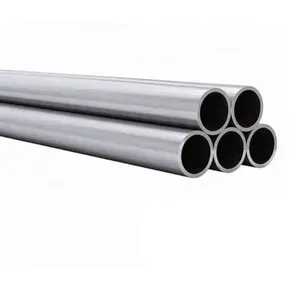 Read More

Contact Us
Recommended Products
-
 Stainless Steel Elbow Welded Elbow 45/90/180-degree Seamless Pressed Elbow Long Radius Elbow Short Radius Elbow WholesaleNegotiableMOQ: 1 Piece
 -
316L/1.4405 Seamless Stainless Steel PipeNegotiableMOQ: 2 Meters
-
310s 440 Seamless Sanitary Piping Price 321 904l 201 20 Inch Seamless Steel Pipe A554 Stainless Steel PipeNegotiableMOQ: 1 Piece
-
China Brand ZZ Wholesale 304L 316 316L Welded Austenitic Piping Stainless Steel Pipe SupplierNegotiableMOQ: 2 Meters
-
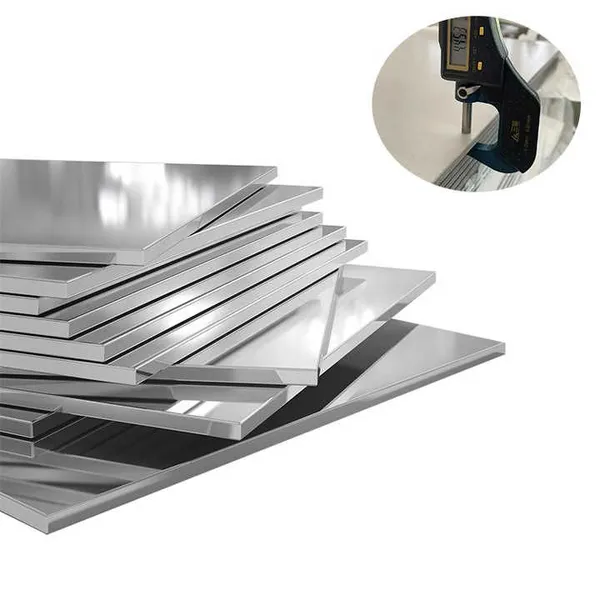
304/304L/316/409/410/904L/2205/2507/310H Premium Stainless Steel Sheets Supplier Custom Sizes & FinishesUS$ 1.72MOQ: 1 Ton
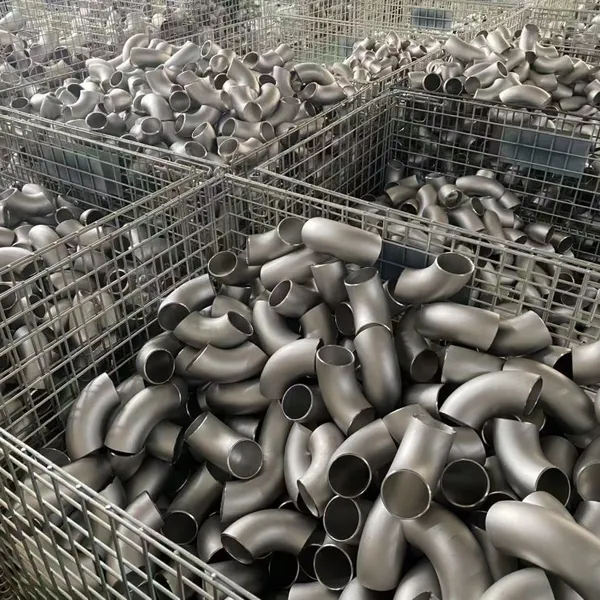
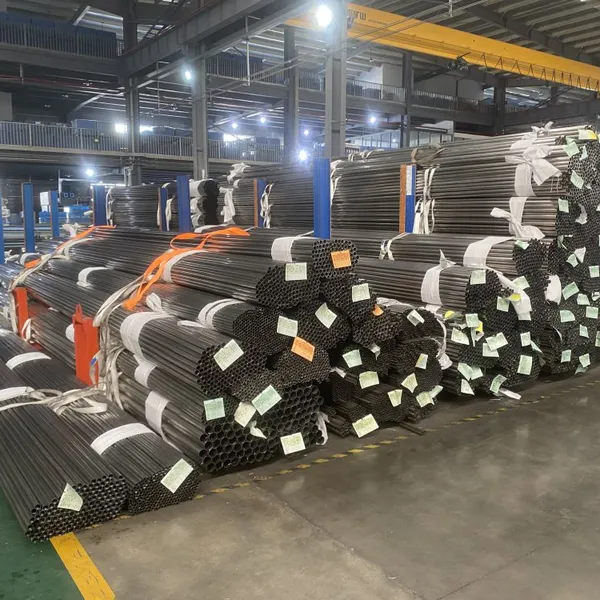
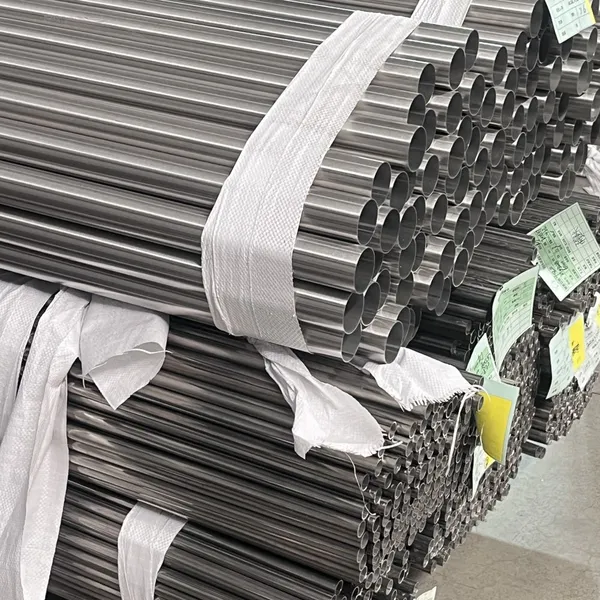
-
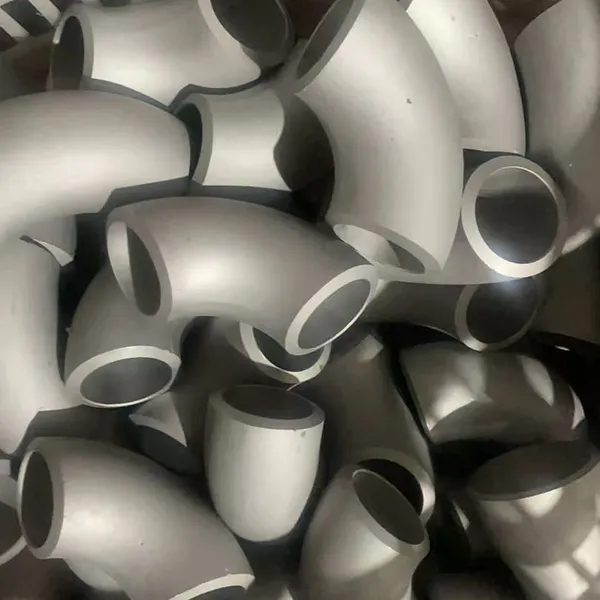
Stainless Steel ASME B16.9 Sch 45 90 Degree Pipe Fittings ElbowUS$ 8MOQ: 1 Piece
-
China Brand Zz 304L 316/316L GB En JIS Standard Thin Wall Welded Stainless Steel Water Pipe/TubeNegotiableMOQ: 2 Meters
-
BA 4 Inch 6 Inch 8 Inch 201 304 304L 316 316L Welded Seamless Stainless Steel PipeNegotiableMOQ: 2 Meters
-
ASME B36.19M-2004 SCH40S Stainless Steel Pipe - Complies With EU 3.1 CertificationUS$ 1 - 650MOQ: 1 Piece
-
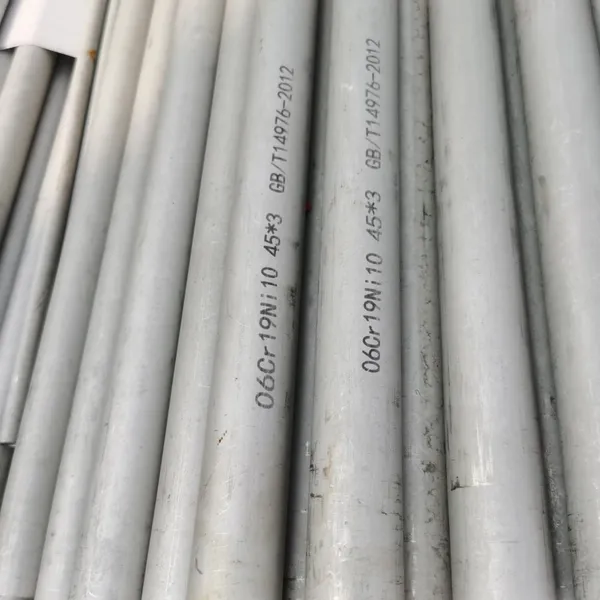
Factory TP309/TP309S/TP309H (UNS30900) Seamless Stainless Steel Pipe and Tube for Boiler BafflesUS$ 8MOQ: 200 Kilograms
-
TP347/TP347H/1.4961/S34709 Seamless Stainless Steel Pipe for UseNegotiableMOQ: 2 Meters
-
China 304 316 Stainless Steel Sanitary Welded Tube Food Grade Sanitary Grade Welded Pipe PolishingNegotiableMOQ: 1 Piece
-
China Manufacture Stainless Steel 316L Ba Seamless Welded Steel Pipe TubesUS$ 1760 - 1860MOQ: 5 Tons
-
316L/1.4405 Seamless Stainless Steel PipeNegotiableMOQ: 2 Meters
-
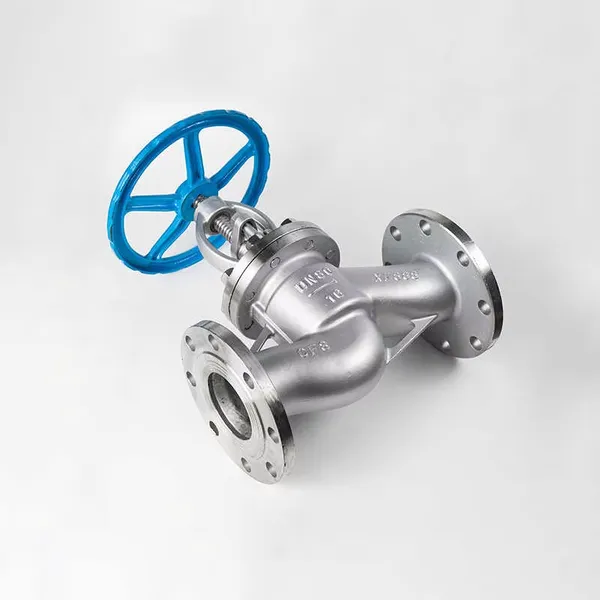
Stainless Steel Globe Valve – High Durability & Corrosion ResistanceNegotiableMOQ: 1 Piece
-
1.4529 Stainless Steel Flat Plate for Chemical Processing EquipmentUS$ 25 - 35MOQ: 1 Kilogram
-
Color Coated Steel Panels for Warehouse Partition Walls (Fireproof Grade)US$ 1 - 1.2MOQ: 50 Kilograms
-
Custom Width (600mm-1250mm) Colored Steel Coil With Scratch ResistanceUS$ 1 - 1.2MOQ: 50 Kilograms
-
0.5mm-3.0mm Colored Coated Steel Sheet With PVDF/Polyester CoatingUS$ 1 - 1.2MOQ: 50 Kilograms
-
JIS G 3322 Compliant Colored Coils With Third-Party Inspection ReportUS$ 1 - 1.2MOQ: 50 Kilograms