
 Business License

The differences between 201 stainless steel and 304 stainless steel water pipes
In the world of stainless steel pipes, 201 and 304 are two materials that are often mentioned. Each of these materials has its own unique characteristics and application scenarios. Understanding the differences between them is crucial for consumers and purchasers. This article will delve into the composition, properties, advantages and disadvantages, as well as application fields of these two types of stainless steel pipes to help you make a more informed choice.
Material composition analysis
1.1 201 Stainless Steel Water Pipe
201 stainless steel belongs to the austenitic type of stainless steel, and its main components include:
Nickel: relatively low, generally between 3% and 5%.
Chromium: Usually between 16% and 18%.
Manganese: The content is relatively high, generally ranging from 5% to 7.5%.
Silicon and carbon: relatively low.
Compared with 304 stainless steel, 201 stainless steel relies more on manganese to enhance its corrosion resistance, which is one of the key reasons for its lower cost.
1.2 304 Stainless Steel Water Pipe
304 stainless steel is a more common food-grade stainless steel, and its composition is usually:
Nickel: 8% to 10.5%
Chromium: 18% to 20%
The contents of elements such as silicon, manganese and carbon are all relatively low.
304 stainless steel is widely used in the catering, medical and chemical industries due to its excellent corrosion resistance and superior formability.
2. Corrosion resistance
2.1 Corrosion Resistance of 201 Stainless Steel
Due to the relatively low nickel content in 201 stainless steel, its corrosion resistance is inferior to that of 304 stainless steel. It is prone to surface oxidation or even rusting when exposed to humid environments or certain chemicals. In marine environments or highly corrosive chemical environments, 201 stainless steel has weaker adaptability and its service life will be significantly reduced.
2.2 Corrosion Resistance of 304 Stainless Steel
304 stainless steel has superior corrosion resistance, mainly due to its high nickel and chromium content. In most cases, it can resist oxidation, chemical corrosion and the erosion of various foods. 304 stainless steel is widely used in high-corrosion environments such as kitchens, medical facilities and chemical equipment, and has a longer service life.
3. Cost and Economy
3.1 Cost of 201 Stainless Steel
Due to the relatively low nickel content of 201 stainless steel, its production cost is relatively low, and thus its market price is also more affordable. This makes 201 stainless steel pipes an ideal choice for some construction and engineering projects with limited economic budgets.
3.2 Cost of 304 Stainless Steel
However, 304 stainless steel is relatively expensive due to its excellent performance and high production cost. Therefore, when choosing materials, it is necessary to comprehensively consider the project's budget and usage requirements. Although the initial investment in 304 stainless steel is relatively high, in the long run, its durability and low maintenance cost make it a quality material worth investing in.
4. Application Fields
4.1 Application of 201 Stainless Steel
201 stainless steel pipes are widely used in general industrial pipelines, drainage systems, and some occasions where they do not come into contact with food or strongly corrosive media. Especially in some buildings and home decoration, they are also commonly seen because of their attractive appearance and affordable price.
4.2 Applications of 304 Stainless Steel
In contrast, 304 stainless steel water pipes are applicable to a wider range of fields, including:
Food industry: such as food processing, water treatment facilities, etc.
Medical industry: Used for manufacturing surgical instruments and medical equipment, requiring the hygiene and corrosion resistance of stainless steel.
Chemical industry: It is used in chemical reaction equipment, storage tanks, etc., and needs to withstand the erosion of various chemicals.
5. Physical Properties
Whether it is 201 or 304 stainless steel water pipes, they share some common advantages in physical properties, such as:
High strength: The tensile strength of both can meet the common pressure-bearing requirements.
Good formability: Stainless steel pipes are relatively easy to process and can be formed into various shapes through processes such as stamping and bending.
6. Maintenance and Care
6.1 Maintenance of 201 Stainless Steel
Although 201 stainless steel is cheaper, special care should be taken during use. It should be kept away from damp environments and inspected regularly to prevent rusting.
6.2 Maintenance of 304 Stainless Steel
The maintenance of 304 stainless steel is relatively simple. Just clean the surface of the water pipe daily. In most cases, there is no need for complex maintenance and care. Moreover, it has strong corrosion resistance and can maintain good performance for a long time.
7. Conclusion
When choosing stainless steel pipes, both 201 and 304 stainless steel have their own advantages and disadvantages. 201 stainless steel is suitable for occasions with limited budgets and relatively mild usage environments, while 304 stainless steel is more suitable for environments with high corrosiveness and high hygiene requirements.
Understanding the differences between these two types of stainless steel can not only help you avoid mistakes when purchasing water pipes but also save costs in the long run. Therefore, when deciding on the material, it is essential to comprehensively consider various factors such as project requirements, long-term maintenance, and costs to make the best choice.
Through the above analysis, it is hoped that you have a clearer understanding of the differences between 201 and 304 stainless steel water pipes. Whether you are an architect, a designer, or an ordinary consumer, choosing the right water pipe is not only a responsibility to the project but also a contribution to environmental protection and sustainable development.
Recently Posted
-
Does the stainless steel welded pipe have specific temperature requirements during the solution heat
January 20, 2026Solution heat treatment involves heating stainless steel to a high temperature and then rapidly cooling it to achieve an oversatur Read More
 -
Can stainless steel welded pipes be made into thick pipes
January 20, 2026With the improvement of high-quality welding technology and increasingly strict weld inspection, the application fields of s Read More
 -
Three types of commonly available food-grade stainless steel on the market
January 20, 2026The common food-grade stainless steel pipes are mainly composed of iron, chromium and carbon and other elements. Household stainle Read More
 -
What are the requirements for stainless steel welding pipe production equipment
January 20, 2026As is well known, stainless steel welded pipes have been widely used in various industries such as machinery, chemical engineering Read More

Contact Us
Recommended Products
-
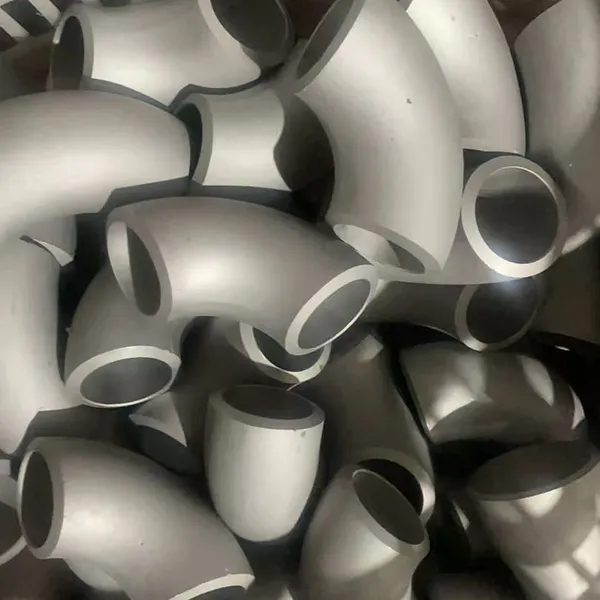
 Stainless Steel Elbow Welded Elbow 45/90/180-degree Seamless Pressed Elbow Long Radius Elbow Short Radius Elbow WholesaleNegotiableMOQ: 1 Piece
 -
316L/1.4405 Seamless Stainless Steel PipeNegotiableMOQ: 2 Meters
-
310s 440 Seamless Sanitary Piping Price 321 904l 201 20 Inch Seamless Steel Pipe A554 Stainless Steel PipeNegotiableMOQ: 1 Piece
-
China Brand ZZ Wholesale 304L 316 316L Welded Austenitic Piping Stainless Steel Pipe SupplierNegotiableMOQ: 2 Meters
-
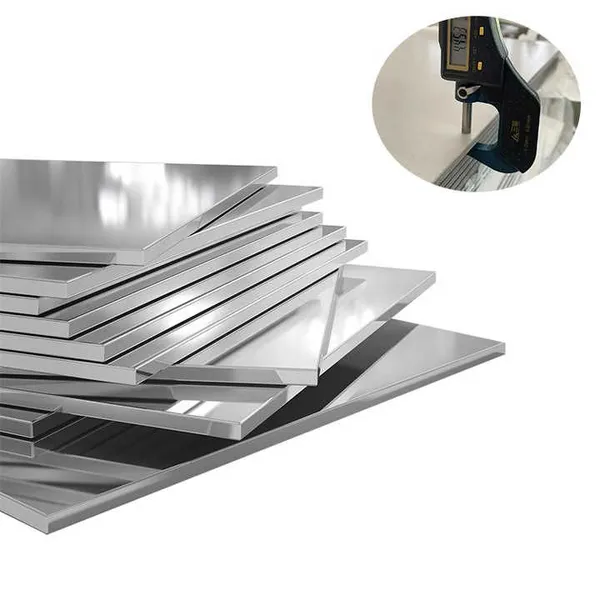
304/304L/316/409/410/904L/2205/2507/310H Premium Stainless Steel Sheets Supplier Custom Sizes & FinishesUS$ 1.72MOQ: 1 Ton
-
Stainless Steel ASME B16.9 Sch 45 90 Degree Pipe Fittings ElbowUS$ 8MOQ: 1 Piece
-
China Brand Zz 304L 316/316L GB En JIS Standard Thin Wall Welded Stainless Steel Water Pipe/TubeNegotiableMOQ: 2 Meters
-
BA 4 Inch 6 Inch 8 Inch 201 304 304L 316 316L Welded Seamless Stainless Steel PipeNegotiableMOQ: 2 Meters
-
ASME B36.19M-2004 SCH40S Stainless Steel Pipe - Complies With EU 3.1 CertificationUS$ 1 - 650MOQ: 1 Piece
-
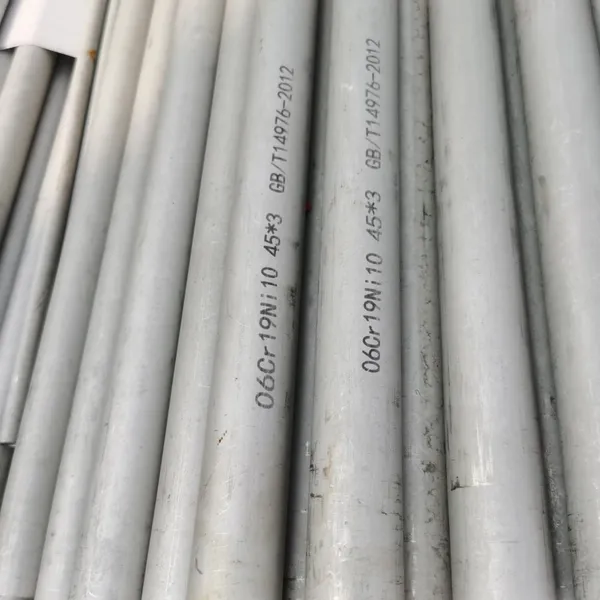
Factory TP309/TP309S/TP309H (UNS30900) Seamless Stainless Steel Pipe and Tube for Boiler BafflesUS$ 8MOQ: 200 Kilograms
-
TP347/TP347H/1.4961/S34709 Seamless Stainless Steel Pipe for UseNegotiableMOQ: 2 Meters
-
China 304 316 Stainless Steel Sanitary Welded Tube Food Grade Sanitary Grade Welded Pipe PolishingNegotiableMOQ: 1 Piece
-
China Manufacture Stainless Steel 316L Ba Seamless Welded Steel Pipe TubesUS$ 1760 - 1860MOQ: 5 Tons
-
316L/1.4405 Seamless Stainless Steel PipeNegotiableMOQ: 2 Meters
-
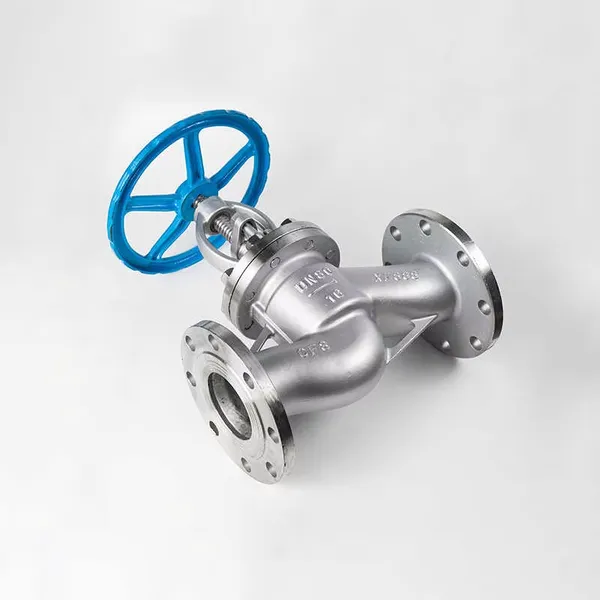
Stainless Steel Globe Valve – High Durability & Corrosion ResistanceNegotiableMOQ: 1 Piece
-
1.4529 Stainless Steel Flat Plate for Chemical Processing EquipmentUS$ 25 - 35MOQ: 1 Kilogram
-
Color Coated Steel Panels for Warehouse Partition Walls (Fireproof Grade)US$ 1 - 1.2MOQ: 50 Kilograms
-
Custom Width (600mm-1250mm) Colored Steel Coil With Scratch ResistanceUS$ 1 - 1.2MOQ: 50 Kilograms
-
0.5mm-3.0mm Colored Coated Steel Sheet With PVDF/Polyester CoatingUS$ 1 - 1.2MOQ: 50 Kilograms
-
JIS G 3322 Compliant Colored Coils With Third-Party Inspection ReportUS$ 1 - 1.2MOQ: 50 Kilograms