
 Business License

How to Install Thin-Walled Stainless Steel Pipes
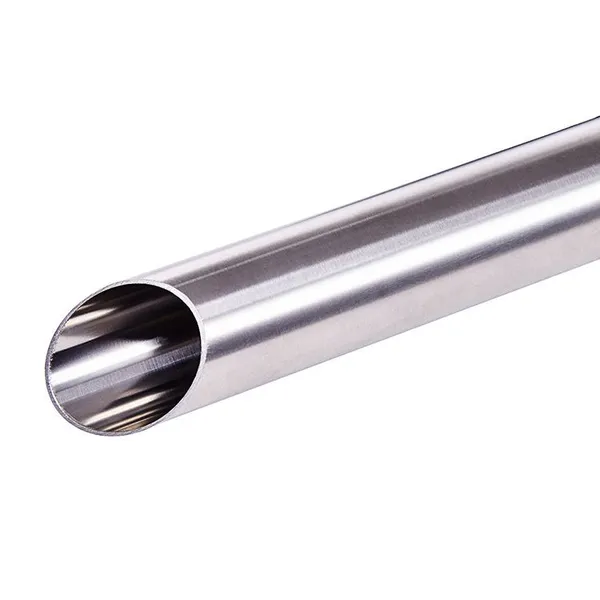
Thin-walled stainless steel pipes have been widely used in households and industries in recent years due to their light weight, corrosion resistance and high strength. However, many people are not familiar with the installation process, which often leads to unnecessary troubles and costs. This article will provide you with a detailed installation guide for thin-walled stainless steel pipes to ensure that you can complete the installation smoothly and guarantee the long-term stability of the pipeline system.
I. Advantages of Thin-Walled Stainless Steel Pipes
Before delving into the installation steps, let's take a look at the advantages of thin-walled stainless steel water pipes:
1. Strong corrosion resistance: The stainless steel material makes it less likely to rust under the influence of water quality changes and the environment, making it particularly suitable for drinking water systems.
2. Lightweight and portable: The thin-walled design reduces the weight of the pipe, making it easier to handle and install.
3. High strength: Despite its relatively thin wall thickness, it has excellent compressive and tensile strength, capable of effectively withstanding high water pressure.
4. Poor thermal conductivity: Stainless steel has a relatively low ability to conduct heat, which can effectively reduce the condensation on the surface of water pipes.
5. Environmentally friendly materials: Stainless steel is recyclable and in line with modern environmental protection concepts.
II. Preparation of Installation Tools and Materials
Before starting the installation, let's prepare the necessary tools and materials first:
Tools:
Measuring tools: tape measure, line gauge, etc.
Cutting tools: pipe cutter or saw.
Connectors: Various specifications of couplings, elbows, tees, etc.
Fixed equipment: pipe clamps, screws, etc.
Sealing materials: raw material tape, sealant, etc.
Auxiliary tools: safety equipment such as gloves and goggles.
Material:
Thin-walled stainless steel water pipes: Select the appropriate length and diameter as needed.
Connection fittings: Ensure that the connecting parts match the pipes.
Anti-corrosion coatings: In some special environments, additional anti-corrosion coatings can be used for surface treatment.
III. Detailed Installation Steps
On-site measurement and planning
Before starting the installation, it is necessary to conduct thorough measurements of the installation environment and plan the layout of the water pipes. This includes:
Pipeline routing: Confirm the pipeline's routing to avoid unnecessary bends or obstructions in the later stage.
Location of water source: Ensure that the connection point between the water source and the pipeline is clear for easy access in the future.
Landing position: If it is necessary to fix the pipe to the wall or the ground, make sure there is an appropriate fixing position and space.
2. Pipe Cutting
Based on the measurement results, use a pipe cutter or saw to cut the water pipe to the required length. When cutting, pay attention to:
- Neat edges: The cut edges should be smooth and flat, avoiding any burrs.
Safety operation: During the cutting process, be sure to wear protective goggles and gloves, and pay attention to the safety of the cutting tools.
3. Connect the pipes
According to the planned pipeline route, connect each section of the pipeline one by one. When connecting, pay attention to the following points:
- Use of connectors: Ensure that the connectors used match the pipe diameter and are securely connected.
Apply sealant: Apply an appropriate amount of Teflon tape or sealant at the connection point to ensure there is no leakage.
Fixed position: Use pipe clamps to secure the pipes to the wall or floor to ensure they are stable.
4. Inspection and Testing
After all the pipe connections are completed, a system check and test are required.
Check for leaks: Inspect each connection one by one for leaks. If necessary, use soapy water.
Pressure test: Gradually increase the water pressure with caution, observe whether the pipeline can withstand it. If any abnormality is found, make timely adjustments.
5. Protective Measures
To prevent any problems with the pipeline in the future, it is recommended that protective treatment be carried out on the outer layer of the pipeline.
Apply anti-corrosion coating: In environments where corrosion is likely, apply anti-corrosion coating to enhance the service life of pipelines.
Regular inspection: Set up a regular inspection plan to identify problems in a timely manner and prevent large-scale damage.
IV. Common Problems and Solutions
Even if you follow the above steps to install, you may still encounter some problems from time to time. Here are some common issues and their solutions:
Leakage issue: Check the leakage point. It might be due to the uneven application of the sealant. Re-treatment is required.
Insufficient water pressure: Check if the pipes are bent or clogged. If necessary, re-plan the pipe routing.
Pipe deformation: It may be caused by excessively high or low water pressure. Check and adjust the water pressure.
V. Conclusion
Although the installation process of thin-walled stainless steel water pipes is slightly complex, as long as you follow the above steps carefully and pay attention to every detail, you can effectively complete the installation task. Through correct installation, you will have a durable and efficient water pipe system to serve the daily water needs of your family.
We hope this installation guide will be of great help to you and enable you to enjoy the convenience brought by the thin-walled stainless steel water pipes without any worries!
Recently Posted
-
Does the stainless steel welded pipe have specific temperature requirements during the solution heat
January 20, 2026Solution heat treatment involves heating stainless steel to a high temperature and then rapidly cooling it to achieve an oversatur Read More
 -
Can stainless steel welded pipes be made into thick pipes
January 20, 2026With the improvement of high-quality welding technology and increasingly strict weld inspection, the application fields of s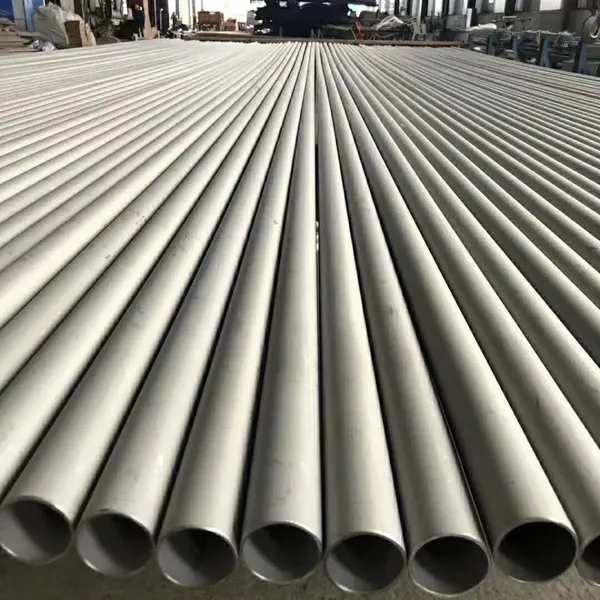 Read More
 -
Three types of commonly available food-grade stainless steel on the market
January 20, 2026The common food-grade stainless steel pipes are mainly composed of iron, chromium and carbon and other elements. Household stainle Read More
 -
What are the requirements for stainless steel welding pipe production equipment
January 20, 2026As is well known, stainless steel welded pipes have been widely used in various industries such as machinery, chemical engineering Read More

Contact Us
Recommended Products
-
 Stainless Steel Elbow Welded Elbow 45/90/180-degree Seamless Pressed Elbow Long Radius Elbow Short Radius Elbow WholesaleNegotiableMOQ: 1 Piece
 -
316L/1.4405 Seamless Stainless Steel PipeNegotiableMOQ: 2 Meters
-
310s 440 Seamless Sanitary Piping Price 321 904l 201 20 Inch Seamless Steel Pipe A554 Stainless Steel PipeNegotiableMOQ: 1 Piece
-
China Brand ZZ Wholesale 304L 316 316L Welded Austenitic Piping Stainless Steel Pipe SupplierNegotiableMOQ: 2 Meters
-
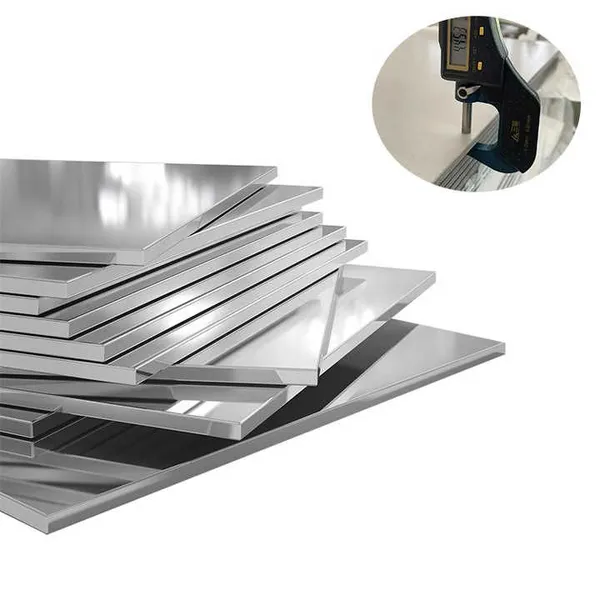
304/304L/316/409/410/904L/2205/2507/310H Premium Stainless Steel Sheets Supplier Custom Sizes & FinishesUS$ 1.72MOQ: 1 Ton
-
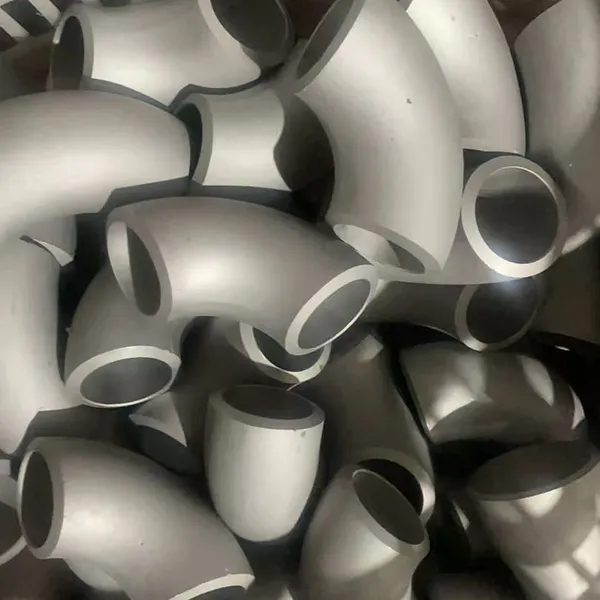
Stainless Steel ASME B16.9 Sch 45 90 Degree Pipe Fittings ElbowUS$ 8MOQ: 1 Piece
-
China Brand Zz 304L 316/316L GB En JIS Standard Thin Wall Welded Stainless Steel Water Pipe/TubeNegotiableMOQ: 2 Meters
-
BA 4 Inch 6 Inch 8 Inch 201 304 304L 316 316L Welded Seamless Stainless Steel PipeNegotiableMOQ: 2 Meters
-
ASME B36.19M-2004 SCH40S Stainless Steel Pipe - Complies With EU 3.1 CertificationUS$ 1 - 650MOQ: 1 Piece
-
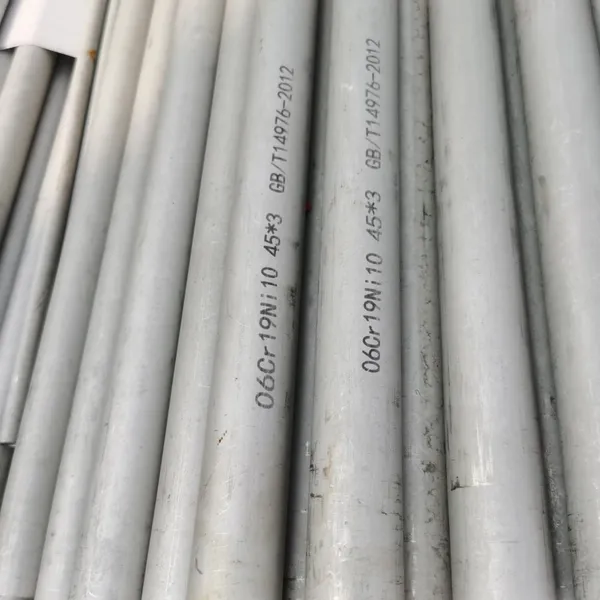
Factory TP309/TP309S/TP309H (UNS30900) Seamless Stainless Steel Pipe and Tube for Boiler BafflesUS$ 8MOQ: 200 Kilograms
-
TP347/TP347H/1.4961/S34709 Seamless Stainless Steel Pipe for UseNegotiableMOQ: 2 Meters
-
China 304 316 Stainless Steel Sanitary Welded Tube Food Grade Sanitary Grade Welded Pipe PolishingNegotiableMOQ: 1 Piece
-
China Manufacture Stainless Steel 316L Ba Seamless Welded Steel Pipe TubesUS$ 1760 - 1860MOQ: 5 Tons
-
316L/1.4405 Seamless Stainless Steel PipeNegotiableMOQ: 2 Meters
-
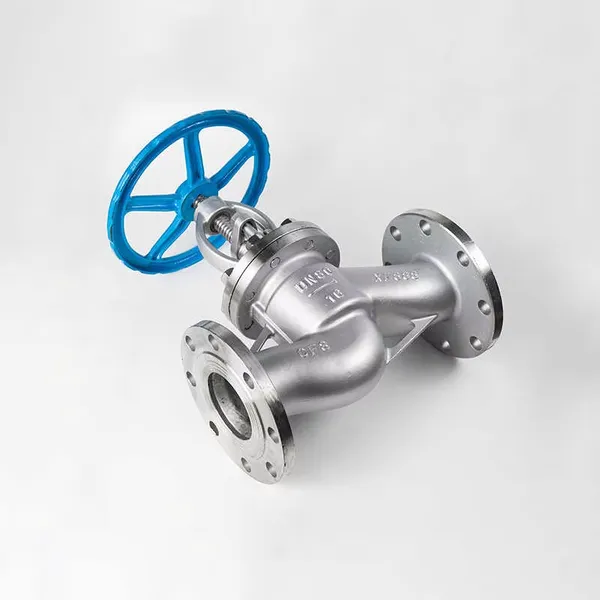
Stainless Steel Globe Valve – High Durability & Corrosion ResistanceNegotiableMOQ: 1 Piece
-
1.4529 Stainless Steel Flat Plate for Chemical Processing EquipmentUS$ 25 - 35MOQ: 1 Kilogram
-
Color Coated Steel Panels for Warehouse Partition Walls (Fireproof Grade)US$ 1 - 1.2MOQ: 50 Kilograms
-
Custom Width (600mm-1250mm) Colored Steel Coil With Scratch ResistanceUS$ 1 - 1.2MOQ: 50 Kilograms
-
0.5mm-3.0mm Colored Coated Steel Sheet With PVDF/Polyester CoatingUS$ 1 - 1.2MOQ: 50 Kilograms
-
JIS G 3322 Compliant Colored Coils With Third-Party Inspection ReportUS$ 1 - 1.2MOQ: 50 Kilograms