
 Business License

What factors need to be considered when selecting stainless steel
When choosing stainless steel materials in an corrosive environment, in addition to having a detailed understanding of the specific usage conditions of stainless steel, one should also pay particular attention to the material's corrosion resistance, strength, toughness and physical properties, processing and forming performance, price, and ease of acquisition.
The corrosion resistance of stainless steel mainly includes rust prevention ability, the ability to resist corrosion by acids, alkalis, salts and other media, as well as the ability to resist oxidation, sulfidation, chlorination and fluorination at high temperatures. Since different types of stainless steel are used to solve various corrosive problems encountered in actual engineering projects, the corrosion resistance of stainless steel in corrosive environments is the first factor that needs to be considered when selecting materials.
Corrosion is the damage caused by chemical or electrochemical reactions between metals and the medium. The corrosion resistance capability refers to the ability of stainless steel to resist the corrosion damage by the medium. Therefore, when selecting materials for metals, if the corrosion resistance is involved, certain points must be noted.
Firstly, the standards for corrosion resistance are determined by humans. Not only should they be recognized, but they should not be imposed. The corrosion resistance of stainless steel needs to be determined based on specific usage requirements.
Currently, the corrosion resistance of stainless steel is mostly evaluated using the 10-level standard. The choice of which level to use as the corrosion resistance requirement needs to take into account factors such as the thickness and size of the equipment and components, their service life, and product quality. Generally speaking, for equipment and components that require a smooth mirror finish or precise dimensions during use, the 1st to 3rd level standards can be selected; for equipment and components that require no leakage over a long period or have a limited service life, the 2nd to 5th levels should be chosen; for equipment and components that do not require easy maintenance or have a relatively short service life, the 4th to 7th levels can be selected. With the exception of special cases, stainless steel is usually not selected when the annual corrosion rate exceeds 1mm under usage conditions. It is also important to note that the 10-level standard is not applicable for local corrosion.
Secondly, the corrosion resistance is relative. The stainless property of stainless steel refers to its corrosion resistance in comparison to rusting and non-corrosion. It is defined under certain conditions. And up to now, there is still no stainless steel that does not rust in any corrosive environment. Therefore, when selecting materials, it is necessary to choose based on specific usage conditions. After selecting the stainless steel grade, the using department also needs to use the adopted stainless steel material in a targeted and correct manner, that is, to select the right materials and use them correctly in order to achieve the purpose of being corrosion-resistant or having stainless properties.
When choosing stainless steel, not only should the performance of its resistance to general corrosion be considered, but also its ability to resist local corrosion should be taken into account. In some water-based and chemical media, the latter aspect requires more attention. This is because the people selecting the material usually pay more attention to the general corrosion resistance of stainless steel, but seldom consider local corrosion, such as the sensitivity to stress corrosion pitting and other phenomena. Most local corrosion of stainless steel occurs in corrosion environments with excellent general corrosion resistance. Local corrosion often leads to the sudden failure of stainless steel equipment and components, and its hazard is much higher than general corrosion.
Recently Posted
-
Does the stainless steel welded pipe have specific temperature requirements during the solution heat
January 20, 2026Solution heat treatment involves heating stainless steel to a high temperature and then rapidly cooling it to achieve an oversatur Read More
 -
Can stainless steel welded pipes be made into thick pipes
January 20, 2026With the improvement of high-quality welding technology and increasingly strict weld inspection, the application fields of s Read More
 -
Three types of commonly available food-grade stainless steel on the market
January 20, 2026The common food-grade stainless steel pipes are mainly composed of iron, chromium and carbon and other elements. Household stainle Read More
 -
What are the requirements for stainless steel welding pipe production equipment
January 20, 2026As is well known, stainless steel welded pipes have been widely used in various industries such as machinery, chemical engineering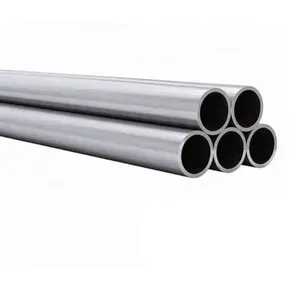 Read More

Contact Us
Recommended Products
-
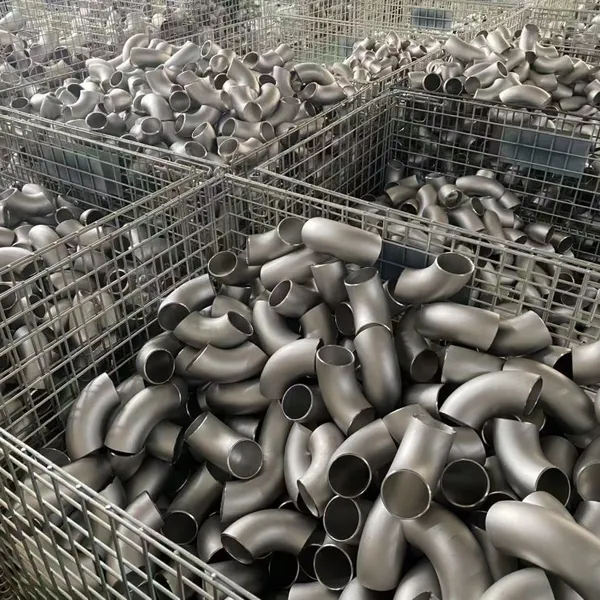
 Stainless Steel Elbow Welded Elbow 45/90/180-degree Seamless Pressed Elbow Long Radius Elbow Short Radius Elbow WholesaleNegotiableMOQ: 1 Piece
 -
316L/1.4405 Seamless Stainless Steel PipeNegotiableMOQ: 2 Meters
-
310s 440 Seamless Sanitary Piping Price 321 904l 201 20 Inch Seamless Steel Pipe A554 Stainless Steel PipeNegotiableMOQ: 1 Piece
-
China Brand ZZ Wholesale 304L 316 316L Welded Austenitic Piping Stainless Steel Pipe SupplierNegotiableMOQ: 2 Meters
-
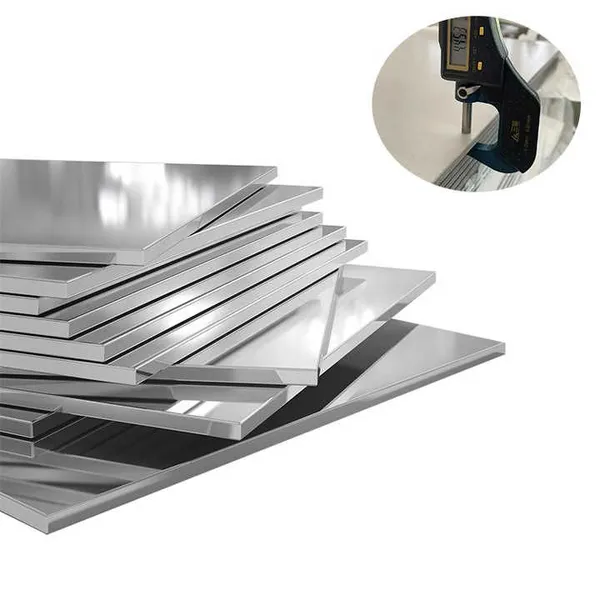
304/304L/316/409/410/904L/2205/2507/310H Premium Stainless Steel Sheets Supplier Custom Sizes & FinishesUS$ 1.72MOQ: 1 Ton
-
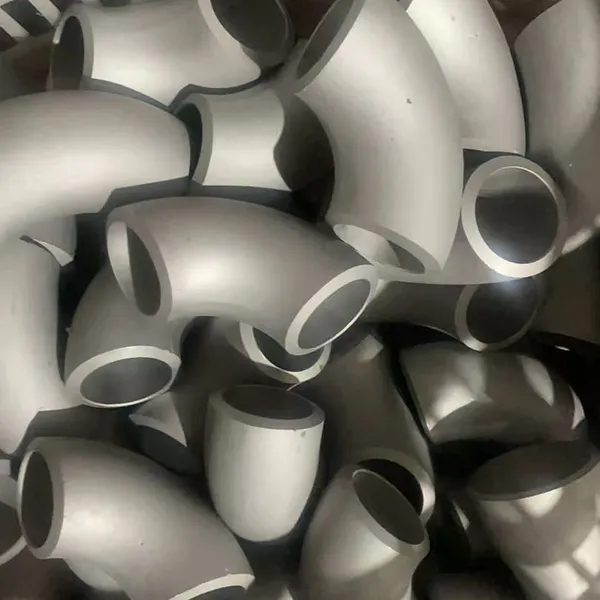
Stainless Steel ASME B16.9 Sch 45 90 Degree Pipe Fittings ElbowUS$ 8MOQ: 1 Piece
-
China Brand Zz 304L 316/316L GB En JIS Standard Thin Wall Welded Stainless Steel Water Pipe/TubeNegotiableMOQ: 2 Meters
-
BA 4 Inch 6 Inch 8 Inch 201 304 304L 316 316L Welded Seamless Stainless Steel PipeNegotiableMOQ: 2 Meters
-
ASME B36.19M-2004 SCH40S Stainless Steel Pipe - Complies With EU 3.1 CertificationUS$ 1 - 650MOQ: 1 Piece
-
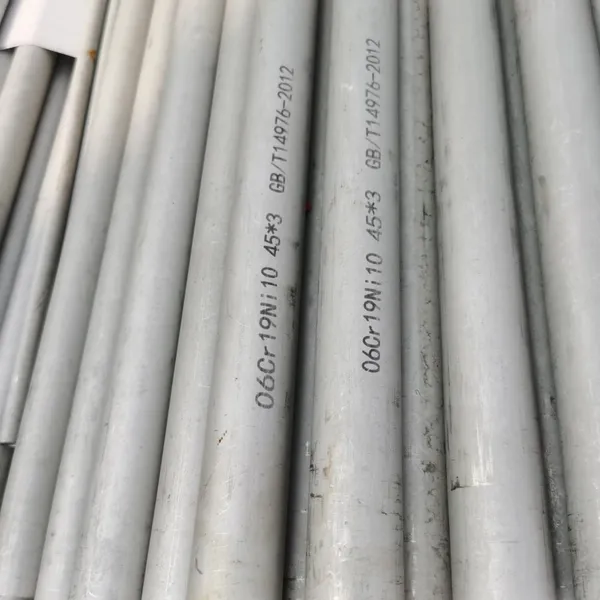
Factory TP309/TP309S/TP309H (UNS30900) Seamless Stainless Steel Pipe and Tube for Boiler BafflesUS$ 8MOQ: 200 Kilograms
-
TP347/TP347H/1.4961/S34709 Seamless Stainless Steel Pipe for UseNegotiableMOQ: 2 Meters
-
China 304 316 Stainless Steel Sanitary Welded Tube Food Grade Sanitary Grade Welded Pipe PolishingNegotiableMOQ: 1 Piece
-
China Manufacture Stainless Steel 316L Ba Seamless Welded Steel Pipe TubesUS$ 1760 - 1860MOQ: 5 Tons
-
316L/1.4405 Seamless Stainless Steel PipeNegotiableMOQ: 2 Meters
-
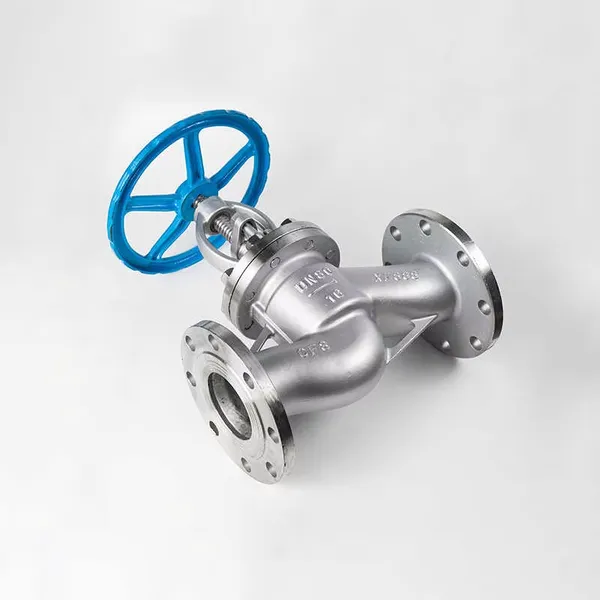
Stainless Steel Globe Valve – High Durability & Corrosion ResistanceNegotiableMOQ: 1 Piece
-
1.4529 Stainless Steel Flat Plate for Chemical Processing EquipmentUS$ 25 - 35MOQ: 1 Kilogram
-
Color Coated Steel Panels for Warehouse Partition Walls (Fireproof Grade)US$ 1 - 1.2MOQ: 50 Kilograms
-
Custom Width (600mm-1250mm) Colored Steel Coil With Scratch ResistanceUS$ 1 - 1.2MOQ: 50 Kilograms
-
0.5mm-3.0mm Colored Coated Steel Sheet With PVDF/Polyester CoatingUS$ 1 - 1.2MOQ: 50 Kilograms
-
JIS G 3322 Compliant Colored Coils With Third-Party Inspection ReportUS$ 1 - 1.2MOQ: 50 Kilograms