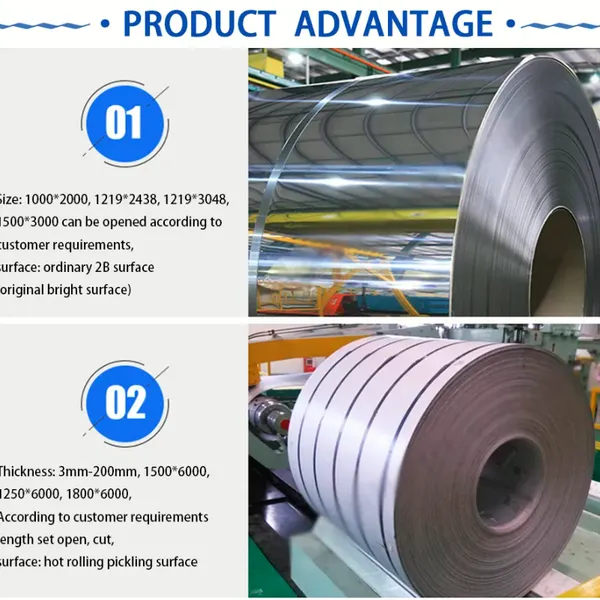

 Business License

Stainless steel heat treatment processing technology and its evolution process
Generally speaking, the heat treatment processing methods for stainless steel materials mainly include four types. The first one is annealing, which involves heating the stainless steel workpiece to an appropriate temperature, then using different holding times based on the material and the size of the workpiece, and finally conducting slow cooling. This is done to achieve a balanced internal structure in the stainless steel, or to release the internal stresses generated in the previous process, in order to obtain good process performance and usage performance, and even prepare the structure for further quenching.
The second method is normalizing. This involves heating the stainless steel workpiece to an appropriate temperature and then cooling it in the air. The effect of normalizing is similar to that of annealing, but the resulting microstructure is finer. It is often used to improve the cutting performance of stainless steel materials and is also applied to some stainless steel that does not require high standards as the final heat treatment.
The third process is quenching. This involves heating the stainless steel workpiece and then holding it at a certain temperature for a period of time. After that, it is rapidly cooled in a cooling medium such as water, oil, or inorganic salts or organic aqueous solutions. After quenching, the stainless steel piece becomes harder but also more brittle. To reduce the brittleness of the stainless steel piece, the quenched stainless steel piece is then heated for a longer period of time at a temperature above room temperature but less than 650 degrees, and then cooled. This processing technique is called tempering. Annealing, normalizing, quenching, and tempering are the "four fires" in overall heat treatment. Among them, quenching and tempering are closely related and are often used together.
The above-mentioned stainless steel processing techniques can also evolve into different heat treatment processes depending on the heating temperature and cooling method. To achieve certain strength and toughness, the processing technique that combines quenching and high-temperature tempering is called quenching and tempering. For some stainless steel alloys, after quenching forms an oversaturated solid solution, they are placed at room temperature or a slightly higher appropriate temperature for a long time to enhance their hardness, strength or electrical and magnetic properties. Such a heat treatment process is called aging treatment.
Surface heat treatment is a metal heat treatment processing method that only heats the surface layer of stainless steel workpieces to change their surface mechanical properties. To only heat the surface layer of the workpiece without transmitting excessive heat to the interior of the workpiece, the heat source used should have a high energy density, that is, it should provide a large amount of heat energy on the workpiece per unit area, so that the surface or local part of the stainless steel workpiece can reach a high temperature for a short time or instantaneously. The main methods of surface heat treatment include flame quenching and induction heating heat treatment. Common heat sources include oxyacetylene or oxypropane flames, induction current, laser and electron beam, etc.
Chemical heat treatment is a metal heat treatment process that alters the chemical composition, structure and properties of the surface layer of the workpiece. The main difference between chemical heat treatment and surface heat treatment is that the latter changes the chemical composition of the surface layer of the stainless steel workpiece. Chemical heat treatment involves heating the workpiece in a medium containing carbon, nitrogen or other alloying elements for a long period of time, so that elements such as carbon, nitrogen, boron and chromium can penetrate the surface layer of the workpiece. After the elements are introduced, other heat treatment processes such as quenching and tempering may also be required. The main methods of chemical heat treatment include carburizing, nitriding, and metal infiltration.
The stainless steel heat treatment processing technology is one of the important procedures in the manufacturing process of mechanical parts and tooling. In general, it can ensure and enhance various properties of the workpiece, such as wear resistance and corrosion resistance. It can also improve the microstructure and stress state of the blank, facilitating various cold and hot processing.
Recently Posted
-
Does the stainless steel welded pipe have specific temperature requirements during the solution heat
January 20, 2026Solution heat treatment involves heating stainless steel to a high temperature and then rapidly cooling it to achieve an oversatur Read More
 -
Can stainless steel welded pipes be made into thick pipes
January 20, 2026With the improvement of high-quality welding technology and increasingly strict weld inspection, the application fields of s Read More
 -
Three types of commonly available food-grade stainless steel on the market
January 20, 2026The common food-grade stainless steel pipes are mainly composed of iron, chromium and carbon and other elements. Household stainle Read More
 -
What are the requirements for stainless steel welding pipe production equipment
January 20, 2026As is well known, stainless steel welded pipes have been widely used in various industries such as machinery, chemical engineering Read More

Contact Us
Recommended Products
-
 Stainless Steel Elbow Welded Elbow 45/90/180-degree Seamless Pressed Elbow Long Radius Elbow Short Radius Elbow WholesaleNegotiableMOQ: 1 Piece
 -
316L/1.4405 Seamless Stainless Steel PipeNegotiableMOQ: 2 Meters
-
310s 440 Seamless Sanitary Piping Price 321 904l 201 20 Inch Seamless Steel Pipe A554 Stainless Steel PipeNegotiableMOQ: 1 Piece
-
China Brand ZZ Wholesale 304L 316 316L Welded Austenitic Piping Stainless Steel Pipe SupplierNegotiableMOQ: 2 Meters
-
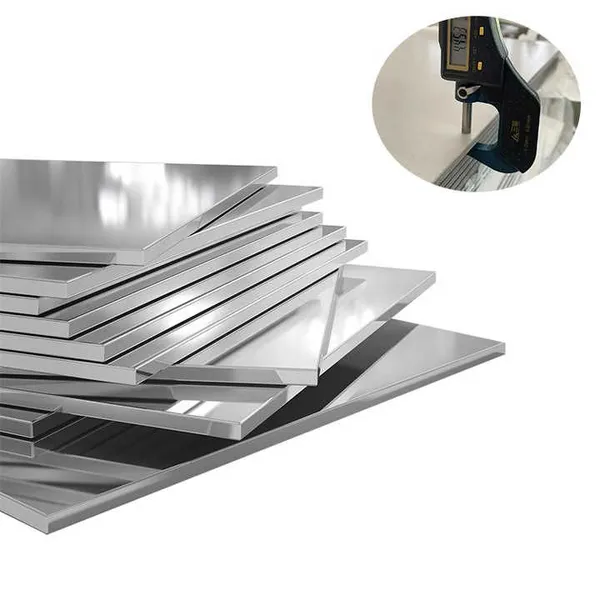
304/304L/316/409/410/904L/2205/2507/310H Premium Stainless Steel Sheets Supplier Custom Sizes & FinishesUS$ 1.72MOQ: 1 Ton
-
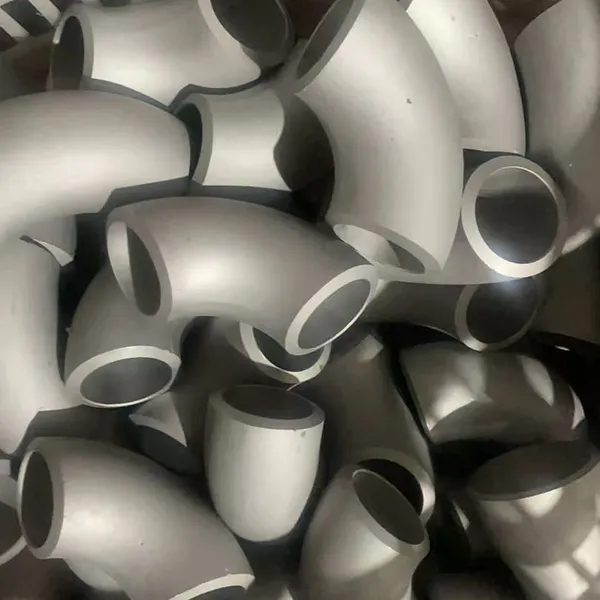
Stainless Steel ASME B16.9 Sch 45 90 Degree Pipe Fittings ElbowUS$ 8MOQ: 1 Piece
-
China Brand Zz 304L 316/316L GB En JIS Standard Thin Wall Welded Stainless Steel Water Pipe/TubeNegotiableMOQ: 2 Meters
-
BA 4 Inch 6 Inch 8 Inch 201 304 304L 316 316L Welded Seamless Stainless Steel PipeNegotiableMOQ: 2 Meters
-
ASME B36.19M-2004 SCH40S Stainless Steel Pipe - Complies With EU 3.1 CertificationUS$ 1 - 650MOQ: 1 Piece
-
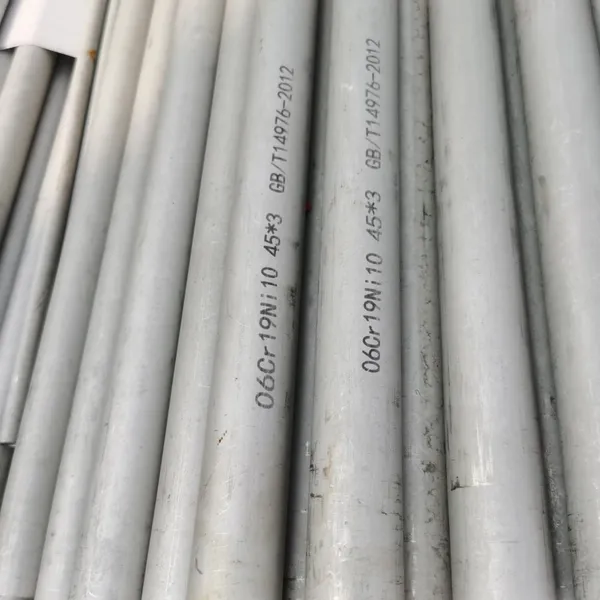
Factory TP309/TP309S/TP309H (UNS30900) Seamless Stainless Steel Pipe and Tube for Boiler BafflesUS$ 8MOQ: 200 Kilograms
-
TP347/TP347H/1.4961/S34709 Seamless Stainless Steel Pipe for UseNegotiableMOQ: 2 Meters
-
China 304 316 Stainless Steel Sanitary Welded Tube Food Grade Sanitary Grade Welded Pipe PolishingNegotiableMOQ: 1 Piece
-
China Manufacture Stainless Steel 316L Ba Seamless Welded Steel Pipe TubesUS$ 1760 - 1860MOQ: 5 Tons
-
316L/1.4405 Seamless Stainless Steel PipeNegotiableMOQ: 2 Meters
-
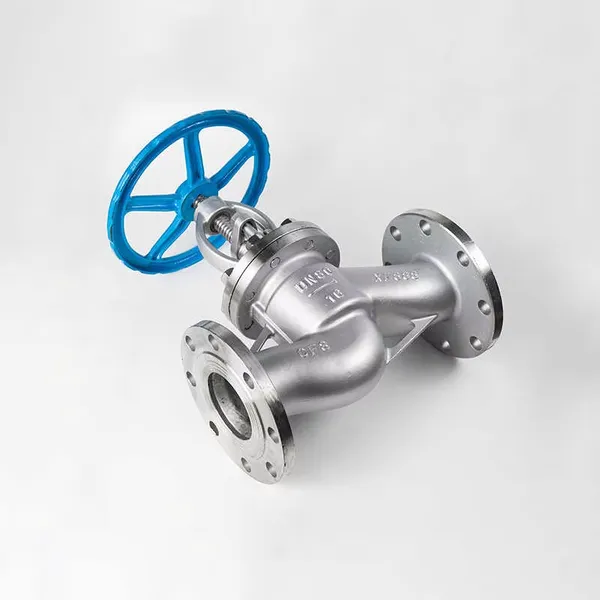
Stainless Steel Globe Valve – High Durability & Corrosion ResistanceNegotiableMOQ: 1 Piece
-
1.4529 Stainless Steel Flat Plate for Chemical Processing EquipmentUS$ 25 - 35MOQ: 1 Kilogram
-
Color Coated Steel Panels for Warehouse Partition Walls (Fireproof Grade)US$ 1 - 1.2MOQ: 50 Kilograms
-
Custom Width (600mm-1250mm) Colored Steel Coil With Scratch ResistanceUS$ 1 - 1.2MOQ: 50 Kilograms
-
0.5mm-3.0mm Colored Coated Steel Sheet With PVDF/Polyester CoatingUS$ 1 - 1.2MOQ: 50 Kilograms
-
JIS G 3322 Compliant Colored Coils With Third-Party Inspection ReportUS$ 1 - 1.2MOQ: 50 Kilograms