
 Business License

Introduction to Industrial Grade Stainless Steel Pipes
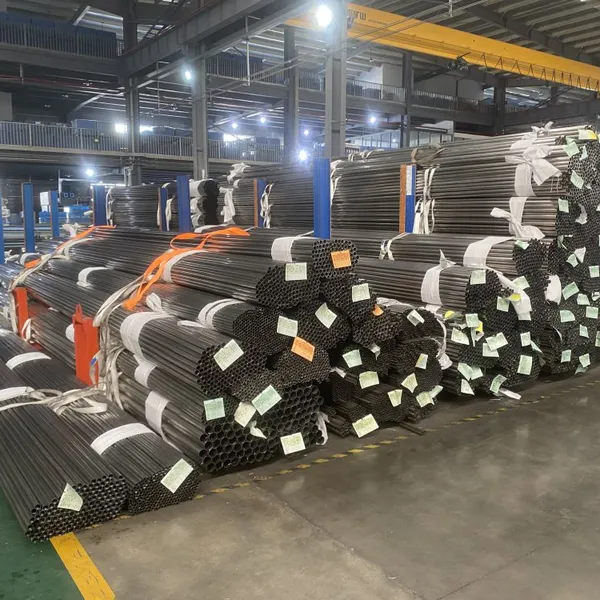
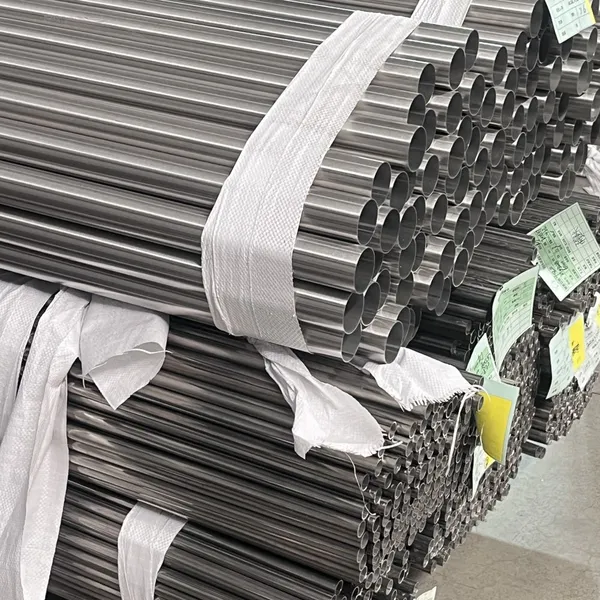
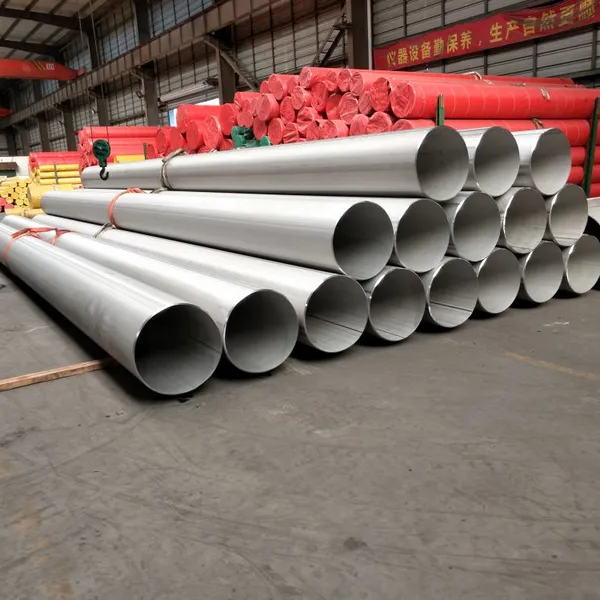
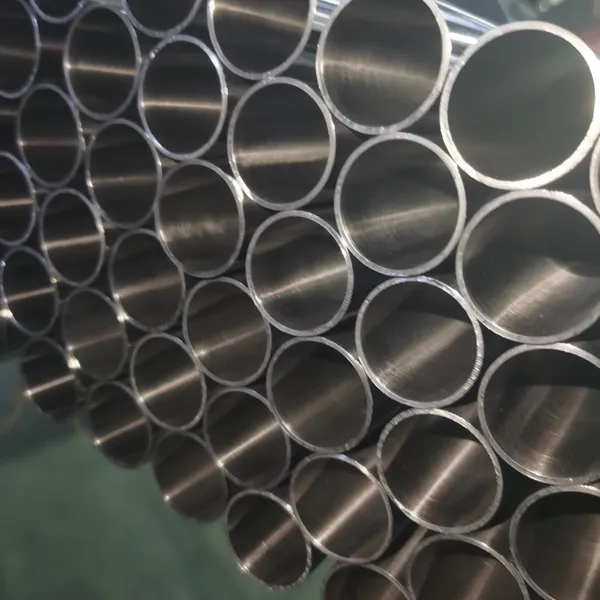
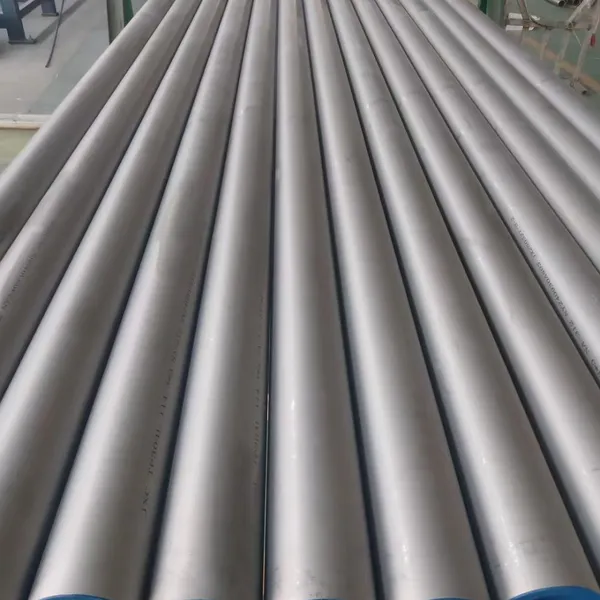
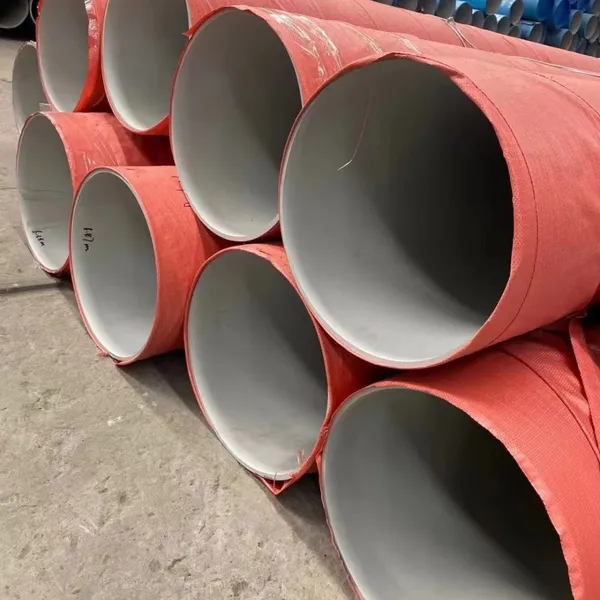
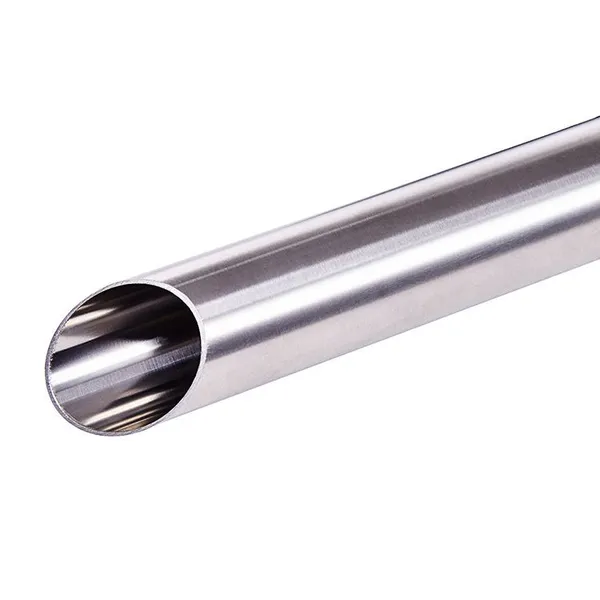
In the industrial field, the production technology of stainless steel pipes has developed rapidly and its application scope is very wide. Moreover, the production of stainless steel pipes holds a very important position in the steel industry. And stainless steel pipes are just one type of the mainstream steel pipes. Therefore, it can be seen that steel pipes also occupy an irreplaceable position in widespread applications. Now, let's introduce the various mainstream steel pipes currently.
Classification of Steel Pipes
There are many classification methods for mainstream steel pipes. According to the production method, they can be divided into seamless pipes and welded pipes. According to the steel type, they can be further classified into carbon steel pipes, alloy pipes, stainless steel pipes, etc. According to the connection method at the pipe end, they can be divided into smooth pipes (with no threads at the pipe end) and threaded pipes (with threads at the pipe end). According to the surface coating characteristics of the steel pipes, they can be classified as black pipes (without coating) and coated pipes. According to the cross-sectional shape of the steel pipes, they can be divided into round steel pipes and special-shaped steel pipes. In addition, they can also be classified according to their uses, such as pipes for pipelines, pipes for thermal equipment, pipes for mechanical industry, pipes for petroleum geological drilling, and pipes for chemical industry, etc.
The characteristics of steel pipes
The main characteristics of ordinary steel pipes are as follows: Firstly, due to the enclosed hollow geometric shape inside the steel pipe, it is suitable for use as pipelines for liquids, gases, and solids. Secondly, under the same weight condition, steel pipes have a larger section modulus compared to other steel forms, meaning they have stronger bending and torsion resistance and are an economical section steel and an efficient steel.
The production method of steel pipes
The general process for manufacturing steel pipes is as follows: raw materials, forming, finishing, first finished product, reprocessing, and second finished product. Generally, the production process is determined based on the requirements of the steel pipes, and the production equipment is selected accordingly. At the same time, the process and equipment are continuously improved and updated to meet the constantly increasing requirements.
According to the final shape of the steel pipes, they can be divided into seamless pipe production and welded pipe production. Additionally, cold processing belongs to the secondary production of pipe materials.
The processing flow of hot-rolled seamless steel pipes is as follows: solid pipe billet, piercing, elongation, constant reduction in diameter, cooling, and finishing. The processing flow of welded pipes is as follows: sheet and strip billet, forming (tube-shaped), welding into pipe, and finishing.
Technical Requirements and Development Trends of Steel Pipes
Generally, steel pipes need to have high corrosion resistance to various corrosive media, good high-temperature strength and low-temperature toughness. The processing techniques and technical requirements in this regard are becoming increasingly demanding. Secondly, the requirements for the size (wall thickness accuracy) and shape accuracy of pipe products also drive the continuous advancement of online detection and automatic control technologies. The requirement for reducing the cost of pipe products leads to the development of their production process towards shorter processes and near final forming. In summary, the trend in the quality requirements for steel pipes is for high quality, low cost, high efficiency and low consumption.
Recently Posted
-
Does the stainless steel welded pipe have specific temperature requirements during the solution heat
January 20, 2026Solution heat treatment involves heating stainless steel to a high temperature and then rapidly cooling it to achieve an oversatur Read More
 -
Can stainless steel welded pipes be made into thick pipes
January 20, 2026With the improvement of high-quality welding technology and increasingly strict weld inspection, the application fields of s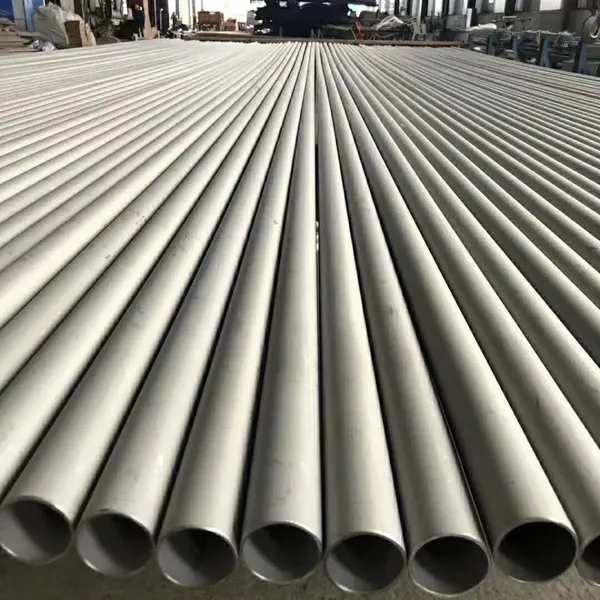 Read More
 -
Three types of commonly available food-grade stainless steel on the market
January 20, 2026The common food-grade stainless steel pipes are mainly composed of iron, chromium and carbon and other elements. Household stainle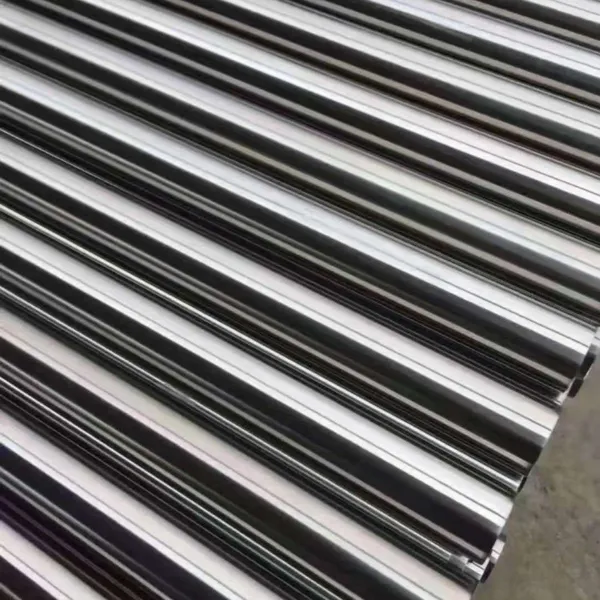 Read More
 -
What are the requirements for stainless steel welding pipe production equipment
January 20, 2026As is well known, stainless steel welded pipes have been widely used in various industries such as machinery, chemical engineering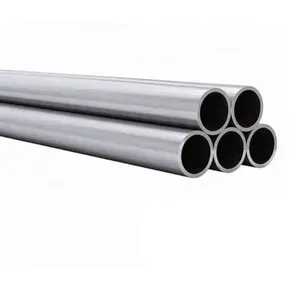 Read More

Contact Us
Recommended Products
-
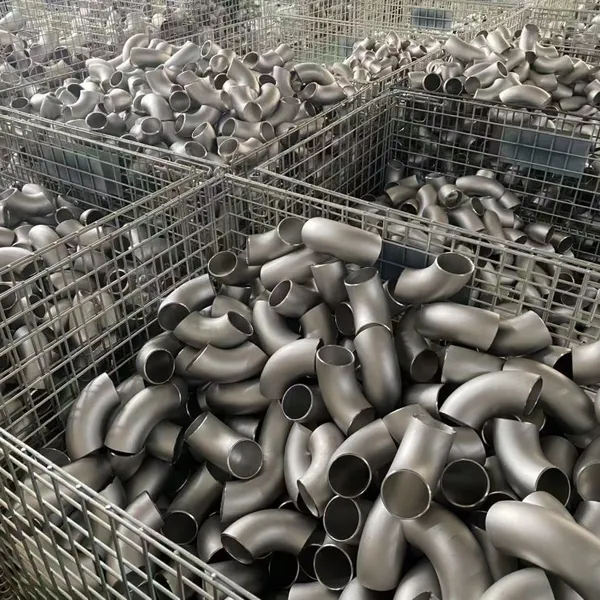
 Stainless Steel Elbow Welded Elbow 45/90/180-degree Seamless Pressed Elbow Long Radius Elbow Short Radius Elbow WholesaleNegotiableMOQ: 1 Piece
 -
316L/1.4405 Seamless Stainless Steel PipeNegotiableMOQ: 2 Meters
-
310s 440 Seamless Sanitary Piping Price 321 904l 201 20 Inch Seamless Steel Pipe A554 Stainless Steel PipeNegotiableMOQ: 1 Piece
-
China Brand ZZ Wholesale 304L 316 316L Welded Austenitic Piping Stainless Steel Pipe SupplierNegotiableMOQ: 2 Meters
-
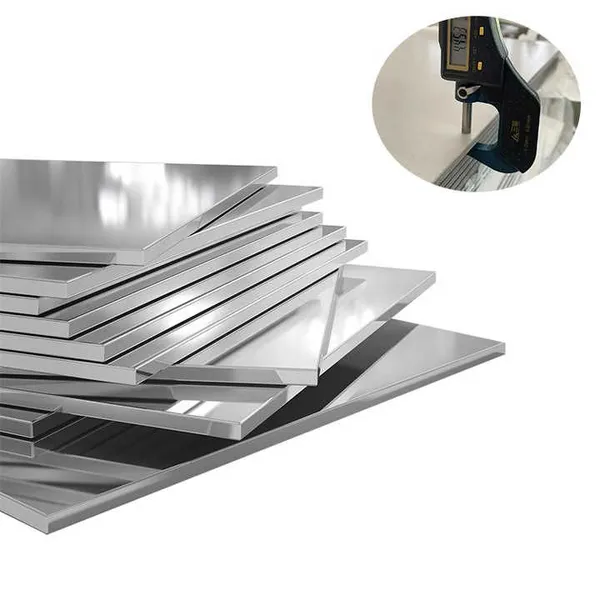
304/304L/316/409/410/904L/2205/2507/310H Premium Stainless Steel Sheets Supplier Custom Sizes & FinishesUS$ 1.72MOQ: 1 Ton
-
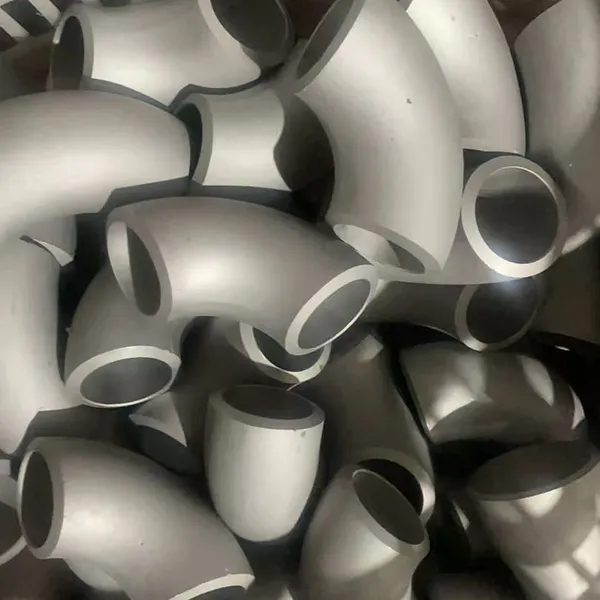
Stainless Steel ASME B16.9 Sch 45 90 Degree Pipe Fittings ElbowUS$ 8MOQ: 1 Piece
-
China Brand Zz 304L 316/316L GB En JIS Standard Thin Wall Welded Stainless Steel Water Pipe/TubeNegotiableMOQ: 2 Meters
-
BA 4 Inch 6 Inch 8 Inch 201 304 304L 316 316L Welded Seamless Stainless Steel PipeNegotiableMOQ: 2 Meters
-
ASME B36.19M-2004 SCH40S Stainless Steel Pipe - Complies With EU 3.1 CertificationUS$ 1 - 650MOQ: 1 Piece
-
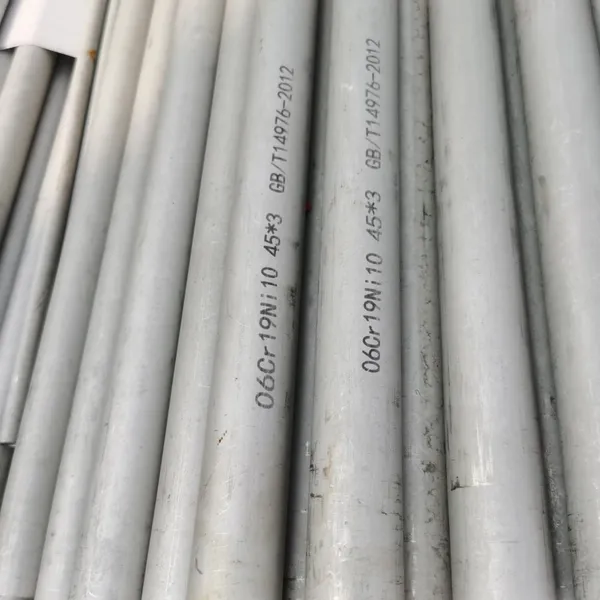
Factory TP309/TP309S/TP309H (UNS30900) Seamless Stainless Steel Pipe and Tube for Boiler BafflesUS$ 8MOQ: 200 Kilograms
-
TP347/TP347H/1.4961/S34709 Seamless Stainless Steel Pipe for UseNegotiableMOQ: 2 Meters
-
China 304 316 Stainless Steel Sanitary Welded Tube Food Grade Sanitary Grade Welded Pipe PolishingNegotiableMOQ: 1 Piece
-
China Manufacture Stainless Steel 316L Ba Seamless Welded Steel Pipe TubesUS$ 1760 - 1860MOQ: 5 Tons
-
316L/1.4405 Seamless Stainless Steel PipeNegotiableMOQ: 2 Meters
-
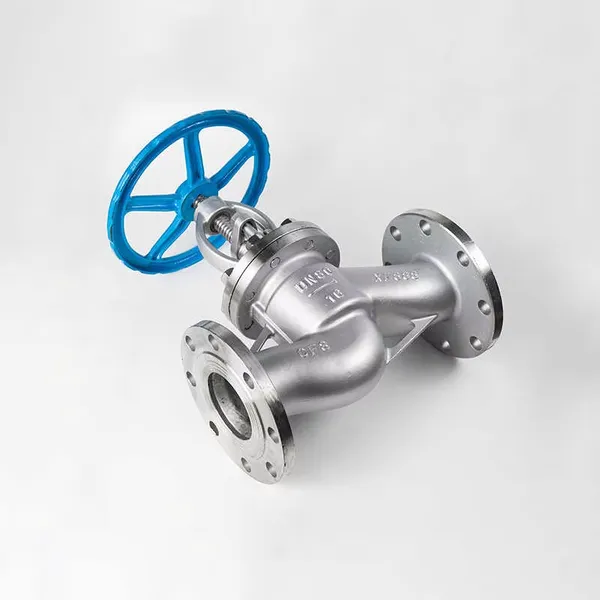
Stainless Steel Globe Valve – High Durability & Corrosion ResistanceNegotiableMOQ: 1 Piece
-
1.4529 Stainless Steel Flat Plate for Chemical Processing EquipmentUS$ 25 - 35MOQ: 1 Kilogram
-
Color Coated Steel Panels for Warehouse Partition Walls (Fireproof Grade)US$ 1 - 1.2MOQ: 50 Kilograms
-
Custom Width (600mm-1250mm) Colored Steel Coil With Scratch ResistanceUS$ 1 - 1.2MOQ: 50 Kilograms
-
0.5mm-3.0mm Colored Coated Steel Sheet With PVDF/Polyester CoatingUS$ 1 - 1.2MOQ: 50 Kilograms
-
JIS G 3322 Compliant Colored Coils With Third-Party Inspection ReportUS$ 1 - 1.2MOQ: 50 Kilograms