
 Business License

Introduction to Five Main Types of Steel
Currently, the steel industry mainly divides steel into five categories, namely high-quality carbon structural steel, carbon structural steel, low-alloy high-strength structural steel, alloy structural steel, and stainless steel (stainless steel plates, stainless steel coils). In the following, this article will introduce each of these categories separately.
High-quality carbon structural steel
This type of steel contains carbon and a certain amount of silicon (usually not more than 0.40%) for deoxidation, as well as manganese (usually not more than 0.80%, with a maximum of 1.20%). Other alloying elements are basically absent (except for the residual elements).
This type of steel must simultaneously ensure its chemical composition and mechanical properties. The content of impurity elements such as sulfur and phosphorus in the steel is usually controlled below 0.035%. If it is controlled below 0.030%, it is called high-grade premium steel, and its grade should be followed by "A", such as 20A; if the phosphorus is controlled below 0.025% and the sulfur below 0.020%, it is called super premium steel, and its grade should be followed by "E" for distinction. For other residual alloy elements brought into the steel by raw materials, such as chromium, nickel, copper, etc., their content is usually controlled at Cr ≤ 0.25%, Ni ≤ 0.30%, Cu ≤ 0.25%. There are also grades where the manganese content reaches 1.40%, which can be called manganese steel.
It should be noted that this steel type mainly improves its mechanical properties by adjusting the carbon content. It has a large production volume and is widely used. It is usually rolled (forged) into shapes such as round, square, flat, etc., as well as plates and seamless pipes. It is mainly used to manufacture general structural and mechanical structural components, as well as building components and pipelines for transporting fluids. According to the requirements of use, sometimes heat treatment (normalizing or quenching and tempering) is required before it can be used.
Carbon structural steel
This steel grade is usually produced by converter or open-hearth furnaces. The main raw materials are molten iron and scrap steel. The sulfur and phosphorus contents in the steel are higher than those of high-quality carbon structural steels. Generally, the sulfur content is ≤ 0.050% and the phosphorus content is ≤ 0.045%. The content of other alloy elements brought into the steel from the raw materials, such as chromium, nickel, and copper, is generally not more than 0.30%. According to the composition and performance requirements, the grades of this type of steel are represented by grades such as Q195, Q215A/B, Q235A/B/C/D, Q255A/B, Q275, etc.
Here, "Q" represents the initial capital letter of the Chinese character "qu" which means "yield". The following numbers indicate the minimum yield point (σs) value of this grade. The symbols that follow are classified into four grades (A, B, C, D) based on the content of impurity elements (sulfur, phosphorus) in the steel, with the content increasing from high to low, accompanied by changes in carbon and manganese elements.
The output of this type of steel is the largest, and its applications are very extensive. It is mostly used for rolling into sheets, profiles (round, square, flat, rectangular, channel, angle, etc.) and special-shaped materials, as well as for manufacturing welded steel pipes. Usually, it is used to make building structures such as factories, bridges, and ships, as well as general pipelines for transporting fluids. Generally, this type of steel is used directly without heat treatment.
Low-alloy high-strength structural steel
This type of steel not only contains a certain amount of basic elements such as silicon or manganese, but also contains other elements suitable for the resource situation in our country. Such elements include vanadium (V), niobium (Nb), titanium (Ti), aluminum (Al), molybdenum (Mo), nitrogen (N), and rare earth (RE) and other trace elements. According to the chemical composition and performance requirements, its grades are represented by Q295A, B, Q345A, B, C, D, E, Q390A, B, C, D, E, Q420A, B, C, D, E, Q460C, D, E, etc. The meanings of these grades are the same as those of carbon structural steel.
V, Nb, Ti, Al and other fine-grain-forming trace elements are present in this type of steel. Except for grade A and B steels, at least one of these elements should be present in grades C, D, and E of the steel; to improve the steel's properties, one of these elements can also be added to grade A and B steels. Additionally, the residual elements of Cr, Ni, and Cu in this type of steel should not exceed 0.30% each. Q345A, B, C, D, and E are representative grades of this type of steel; grade A and B steels are usually referred to as 16Mn; for grades above C, one or more trace elements should be added, and an additional item of low-temperature impact performance should be included in the mechanical properties.
Compared with carbon structural steel, this type of steel has the advantages of higher strength, better comprehensive performance, longer service life, wider application range and greater economy. This steel is mostly used to be rolled into sheets, profiles, seamless pipes, etc., and is widely applied in bridges, ships, boilers, vehicles and important building structures.
Alloy structural steel
This type of steel is made by adding one or several alloy elements to high-quality carbon structural steel in an appropriate amount, in order to enhance the mechanical properties, toughness and hardenability of the steel. Products manufactured from this steel usually undergo heat treatment (normalizing or quenching and tempering). Before the manufactured parts and components are put into use, they generally need to undergo quenching or surface chemical treatment (carburizing, nitriding, etc.), surface quenching or high-frequency quenching, etc. Therefore, depending on the chemical composition (mainly the carbon content), heat treatment process and application, this type of steel can be roughly divided into three categories: carburized steel, quenching and tempering steel and nitrided steel.
This steel type is mostly rolled (forged) into round, square, flat sections and seamless pipes. It is mainly used for manufacturing important and large-sized components in mechanical products, as well as high-pressure pipelines, containers, etc. Moreover, it has superior comprehensive mechanical properties compared to high-quality carbon structural steel.
This type of steel-made seamless steel pipes are widely used in hydraulic props, high-pressure gas cylinders, high-pressure boilers, fertilizer equipment, petroleum cracking, automotive half-shaft sleeves, diesel engines, hydraulic pipe fittings, and other applications.
Stainless steel
According to their main industrial applications, stainless steel can be classified into two major categories: stainless acid-resistant steel and heat-resistant non-peeling steel.
Stainless acid-resistant steel can be divided into two types: stainless steel and acid-resistant steel. Among them, the steel that can resist corrosion in the air is called stainless steel; the steel that can resist corrosion in various highly corrosive media is called acid-resistant steel. Stainless steel does not necessarily resist acid corrosion, but acid-resistant steel has excellent resistance to rust.
This type of steel not only contains the five major elements (C, Si, Mn, P, S), but also mainly contains chromium and nickel alloy elements. For example, chromium steel (Cr13 type), chromium-nickel steel (18-8 type); and there are also types that contain one or more elements such as molybdenum, niobium, titanium, and nitrogen based on chromium-nickel steel.
The products made from it, such as circles, plates, belts, threads, tubes, etc., are widely used in chemical equipment, medical devices, food industry equipment, as well as household cabinets and decorations in hotels and restaurants.
Heat-resistant non-peeling steel is divided into two types: heat-resistant steel and non-peeling steel. Steel that does not peel off even when exposed to media at high temperatures is called non-peeling steel; steel that can resist media erosion at high temperatures and has sufficient strength without peeling off is called heat-resistant steel.
This type of steel not only contains the chromium and nickel elements found in stainless and acid-resistant steel, but also incorporates one or more of the alloy elements such as aluminium (Al), tungsten (W), cobalt (Co), and vanadium (V). The fabricated products like cylinders, plates, strips, and tubes are widely used in petrochemical equipment, power station boilers, turbine engines, industrial heating furnaces, and components that operate under high temperatures.
Recently Posted
-
Does the stainless steel welded pipe have specific temperature requirements during the solution heat
January 20, 2026Solution heat treatment involves heating stainless steel to a high temperature and then rapidly cooling it to achieve an oversatur Read More
 -
Can stainless steel welded pipes be made into thick pipes
January 20, 2026With the improvement of high-quality welding technology and increasingly strict weld inspection, the application fields of s Read More
 -
Three types of commonly available food-grade stainless steel on the market
January 20, 2026The common food-grade stainless steel pipes are mainly composed of iron, chromium and carbon and other elements. Household stainle Read More
 -
What are the requirements for stainless steel welding pipe production equipment
January 20, 2026As is well known, stainless steel welded pipes have been widely used in various industries such as machinery, chemical engineering Read More

Contact Us
Recommended Products
-
 Stainless Steel Elbow Welded Elbow 45/90/180-degree Seamless Pressed Elbow Long Radius Elbow Short Radius Elbow WholesaleNegotiableMOQ: 1 Piece
 -
316L/1.4405 Seamless Stainless Steel PipeNegotiableMOQ: 2 Meters
-
310s 440 Seamless Sanitary Piping Price 321 904l 201 20 Inch Seamless Steel Pipe A554 Stainless Steel PipeNegotiableMOQ: 1 Piece
-
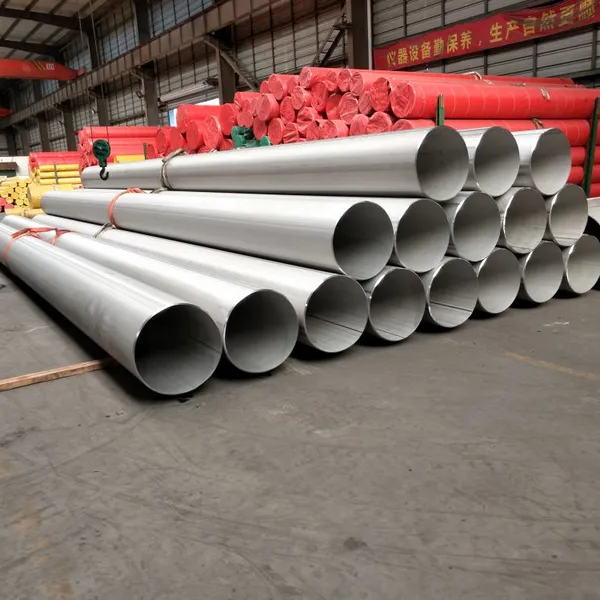
China Brand ZZ Wholesale 304L 316 316L Welded Austenitic Piping Stainless Steel Pipe SupplierNegotiableMOQ: 2 Meters
-
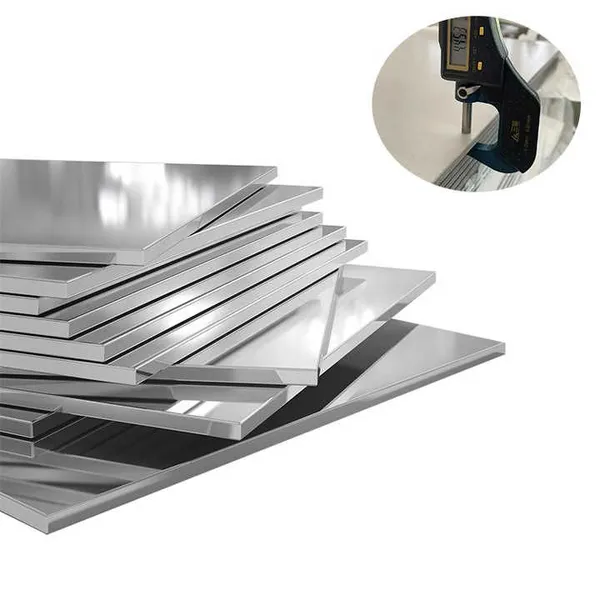
304/304L/316/409/410/904L/2205/2507/310H Premium Stainless Steel Sheets Supplier Custom Sizes & FinishesUS$ 1.72MOQ: 1 Ton
-
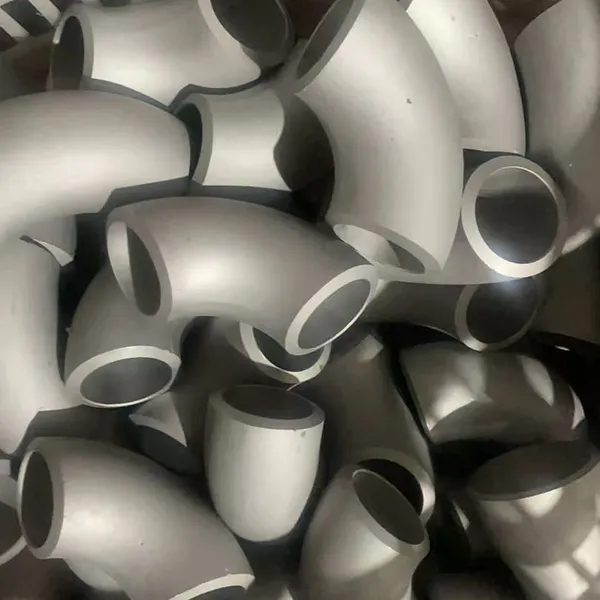
Stainless Steel ASME B16.9 Sch 45 90 Degree Pipe Fittings ElbowUS$ 8MOQ: 1 Piece
-
China Brand Zz 304L 316/316L GB En JIS Standard Thin Wall Welded Stainless Steel Water Pipe/TubeNegotiableMOQ: 2 Meters
-
BA 4 Inch 6 Inch 8 Inch 201 304 304L 316 316L Welded Seamless Stainless Steel PipeNegotiableMOQ: 2 Meters
-
ASME B36.19M-2004 SCH40S Stainless Steel Pipe - Complies With EU 3.1 CertificationUS$ 1 - 650MOQ: 1 Piece
-
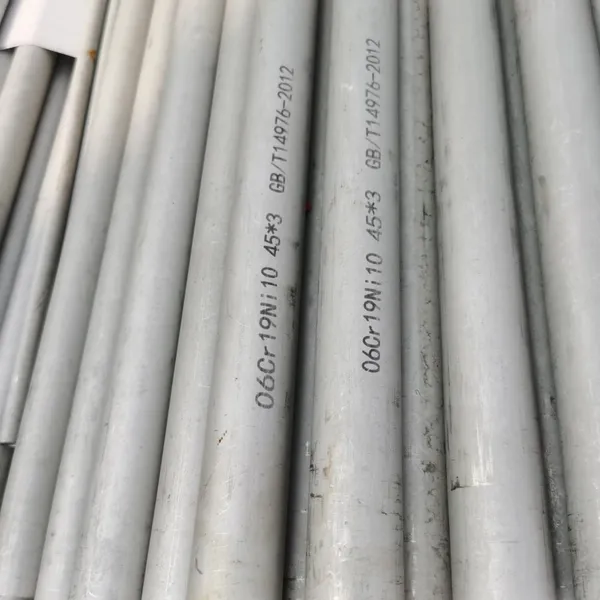
Factory TP309/TP309S/TP309H (UNS30900) Seamless Stainless Steel Pipe and Tube for Boiler BafflesUS$ 8MOQ: 200 Kilograms
-
TP347/TP347H/1.4961/S34709 Seamless Stainless Steel Pipe for UseNegotiableMOQ: 2 Meters
-
China 304 316 Stainless Steel Sanitary Welded Tube Food Grade Sanitary Grade Welded Pipe PolishingNegotiableMOQ: 1 Piece
-
China Manufacture Stainless Steel 316L Ba Seamless Welded Steel Pipe TubesUS$ 1760 - 1860MOQ: 5 Tons
-
316L/1.4405 Seamless Stainless Steel PipeNegotiableMOQ: 2 Meters
-
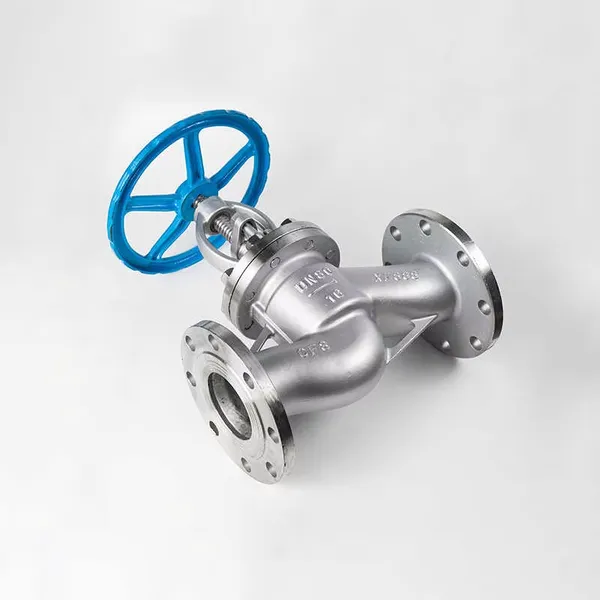
Stainless Steel Globe Valve – High Durability & Corrosion ResistanceNegotiableMOQ: 1 Piece
-
1.4529 Stainless Steel Flat Plate for Chemical Processing EquipmentUS$ 25 - 35MOQ: 1 Kilogram
-
Color Coated Steel Panels for Warehouse Partition Walls (Fireproof Grade)US$ 1 - 1.2MOQ: 50 Kilograms
-
Custom Width (600mm-1250mm) Colored Steel Coil With Scratch ResistanceUS$ 1 - 1.2MOQ: 50 Kilograms
-
0.5mm-3.0mm Colored Coated Steel Sheet With PVDF/Polyester CoatingUS$ 1 - 1.2MOQ: 50 Kilograms
-
JIS G 3322 Compliant Colored Coils With Third-Party Inspection ReportUS$ 1 - 1.2MOQ: 50 Kilograms