
 Business License

Why does the rapid quenching oil deteriorate after being used for a long time
Currently, rapid quenching oil still dominates as the cooling medium for fastening components during heat treatment. As the temperature of the quenching oil increases, the aging reaction rate accelerates significantly. For every 10℃ increase in oil temperature, the chemical reaction rate increases by approximately 2 to 4 times. In principle, the operating temperature of quenching oil should be between 60 and 80℃. The continuous heating and use of quenching oil, as well as repeated contact with hot workpieces, cause the oxidation and aging of the quenching oil, which is the greatest threat in production.
Long-term bolt and nut quenching operations lead to many complex chemical changes in the quenching oil, resulting in significant changes in its properties and continuous aging of the quenching oil. This includes the thermal decomposition of hydrocarbons in the quenching oil into volatile components or gases and the oxidation of some compounds. The polymerization of the oxidation products leads to an increase in the viscosity of the quenching oil. This is the mechanism of aging of the quenching oil. At the same time, when the oil comes into contact with the hot surface of the workpiece and is heated to a higher temperature, it causes chain breakage and secondary reactions to generate decomposition products. The oxidized hydrocarbons are in a highly unstable state and can undergo polymerization, forming oil deposits, and even causing serious consequences such as contaminating the workpiece and blocking the pipeline. Clearly, the mechanism of carbon-hydrocarbon oxidation should be given due attention during the use of quenching oil.
Why does quenching oil age over time? This is mainly due to the continuous oxidation of the quenching oil during use, and the formation of oil sludge and stains on the workpiece surface. With the increase in usage time, the oxidation of the oil becomes more severe, the viscosity increases further, and the amount of oil sludge increases. These all lead to a decrease in the cooling performance of the quenching oil, causing soft spots in the workpiece or even inability to harden it. The microstructure of the workpiece under metallographic examination shows an increase in granular spheroidal ferrite in carbon steel and a lower bainite structure in alloy steel. In essence, this is a severe oxidation of the quenching oil during use.
As the quenching oil ages during use, the content of carboxylic acids (SUO- organic compounds containing carbon, oxygen, and hydrogen, COOH) gradually increases. Therefore, the acid value of the oil can be tested to measure the degree of aging. After continuous use of the quenching oil for more than 2 years, the acid value increases continuously. When the acid value reaches 1.0 to 1.5 mgKOH/g, the rate of carboxylic acid formation significantly accelerates. After the quenching oil ages, its cooling curve is reflected by a shortened vapor film stage, an increased maximum cooling rate, an overall shift to the upper right of the cooling curve, an accelerated high-temperature cooling rate, and a decrease in the hardenability of the workpiece. An acid value of 1.5 mgKOH/g is a quantitative indicator of quenching oil aging and also the basis for changing the oil. Generally, the oil should be replaced after one year of use. Measures to prevent the aging of quenching oil include: using hydrogenated refined base oil and compound antioxidants can effectively improve the antioxidant performance of the oil. To improve the anti-aging performance of the quenching oil, when using the quenching oil, the following matters should be noted: keeping the oil in a circulating state, timely filtering, preventing water ingress, not partially replacing the oil, minimizing the usage temperature of the quenching oil, and reducing pollution.
Recently Posted
-
Does the stainless steel welded pipe have specific temperature requirements during the solution heat
January 20, 2026Solution heat treatment involves heating stainless steel to a high temperature and then rapidly cooling it to achieve an oversatur Read More
 -
Can stainless steel welded pipes be made into thick pipes
January 20, 2026With the improvement of high-quality welding technology and increasingly strict weld inspection, the application fields of s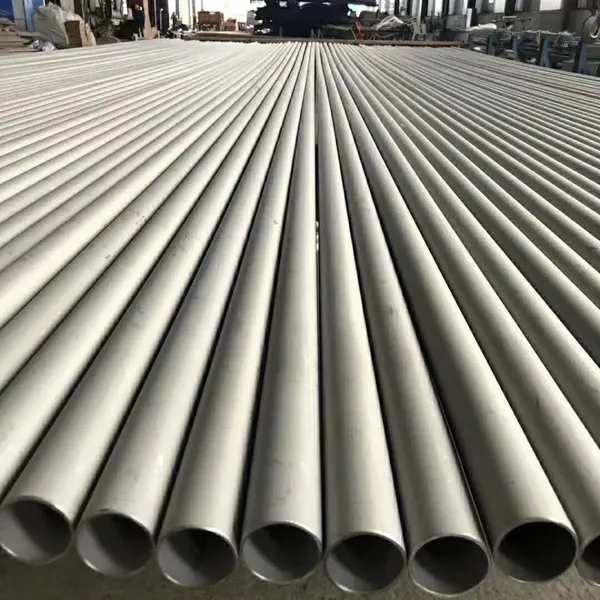 Read More
 -
Three types of commonly available food-grade stainless steel on the market
January 20, 2026The common food-grade stainless steel pipes are mainly composed of iron, chromium and carbon and other elements. Household stainle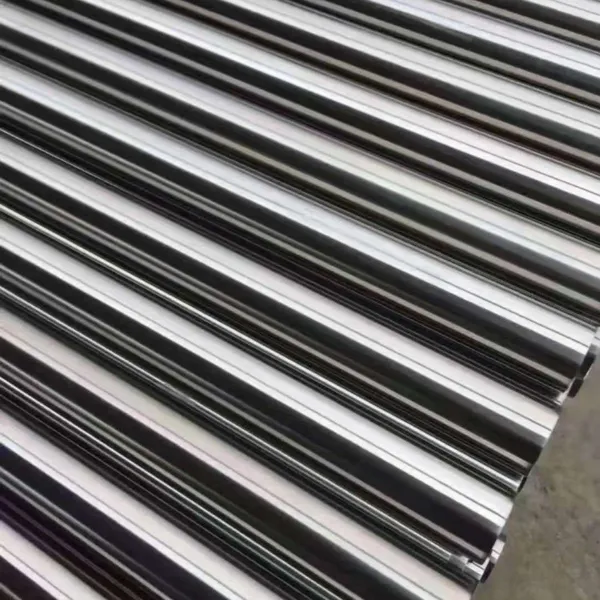 Read More
 -
What are the requirements for stainless steel welding pipe production equipment
January 20, 2026As is well known, stainless steel welded pipes have been widely used in various industries such as machinery, chemical engineering Read More

Contact Us
Recommended Products
-
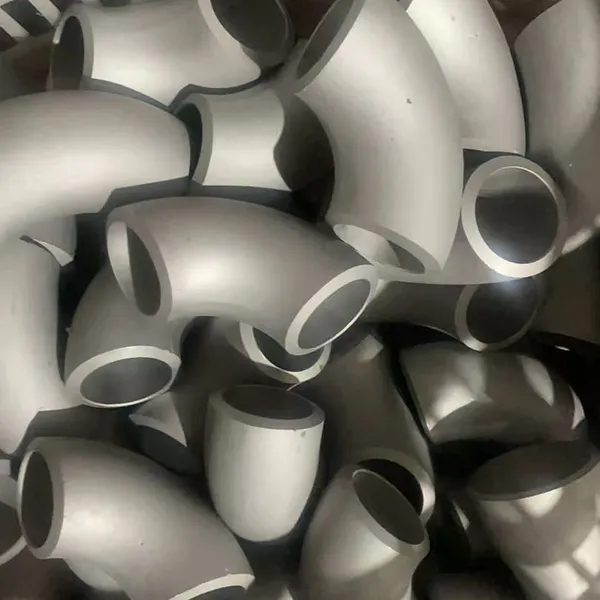
 Stainless Steel Elbow Welded Elbow 45/90/180-degree Seamless Pressed Elbow Long Radius Elbow Short Radius Elbow WholesaleNegotiableMOQ: 1 Piece
 -
316L/1.4405 Seamless Stainless Steel PipeNegotiableMOQ: 2 Meters
-
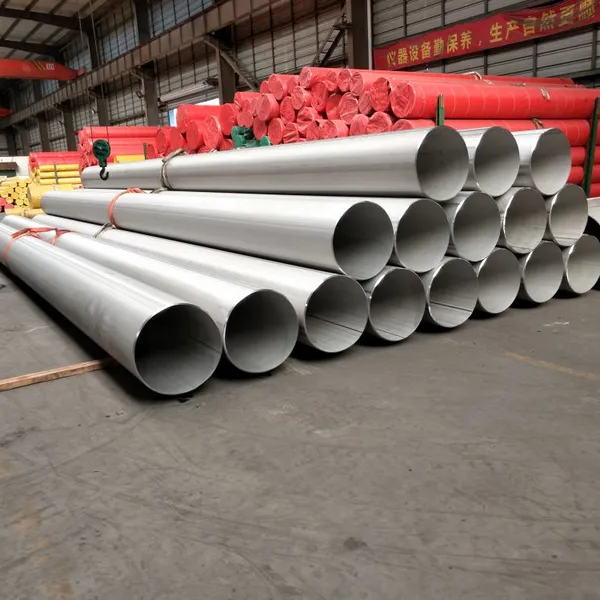
310s 440 Seamless Sanitary Piping Price 321 904l 201 20 Inch Seamless Steel Pipe A554 Stainless Steel PipeNegotiableMOQ: 1 Piece
-
China Brand ZZ Wholesale 304L 316 316L Welded Austenitic Piping Stainless Steel Pipe SupplierNegotiableMOQ: 2 Meters
-
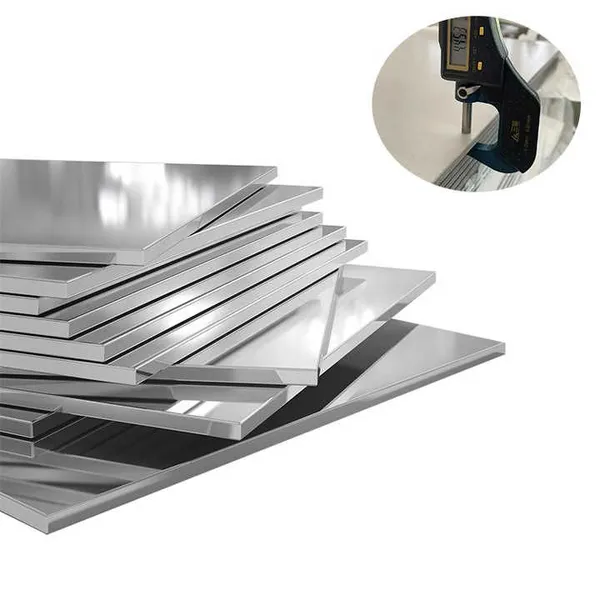
304/304L/316/409/410/904L/2205/2507/310H Premium Stainless Steel Sheets Supplier Custom Sizes & FinishesUS$ 1.72MOQ: 1 Ton
-
Stainless Steel ASME B16.9 Sch 45 90 Degree Pipe Fittings ElbowUS$ 8MOQ: 1 Piece
-
China Brand Zz 304L 316/316L GB En JIS Standard Thin Wall Welded Stainless Steel Water Pipe/TubeNegotiableMOQ: 2 Meters
-
BA 4 Inch 6 Inch 8 Inch 201 304 304L 316 316L Welded Seamless Stainless Steel PipeNegotiableMOQ: 2 Meters
-
ASME B36.19M-2004 SCH40S Stainless Steel Pipe - Complies With EU 3.1 CertificationUS$ 1 - 650MOQ: 1 Piece
-
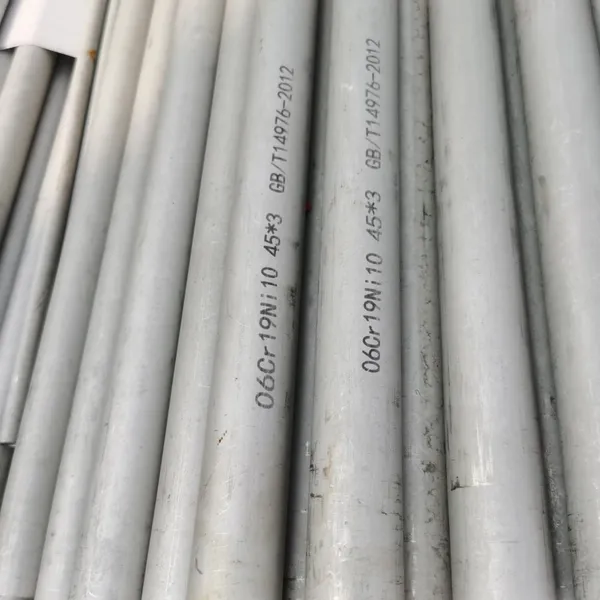
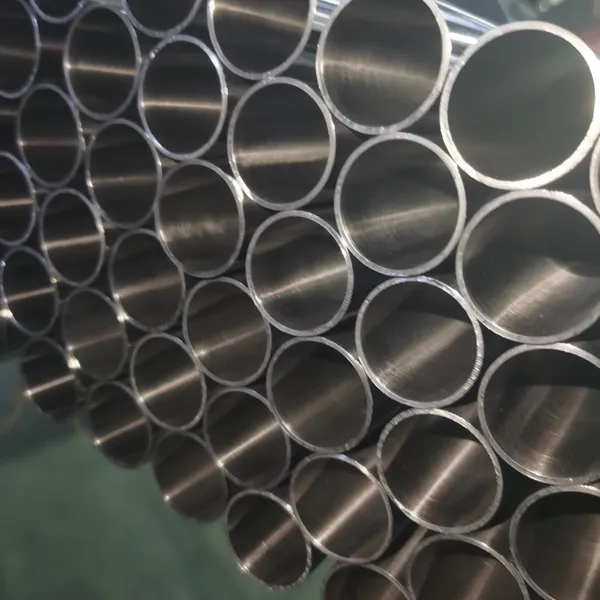
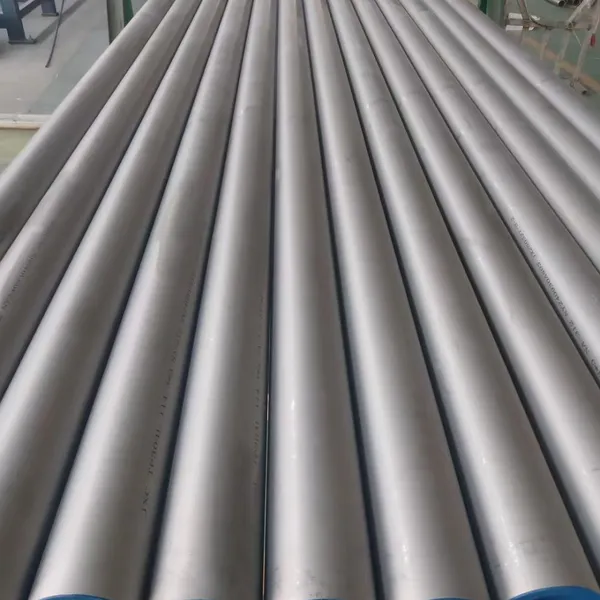
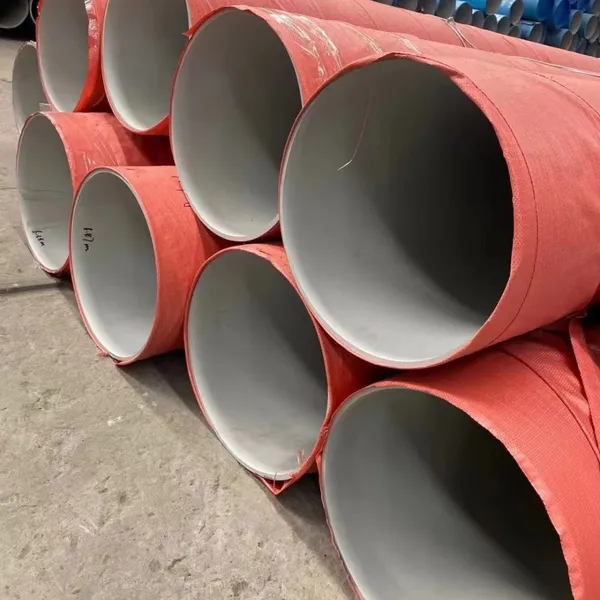
Factory TP309/TP309S/TP309H (UNS30900) Seamless Stainless Steel Pipe and Tube for Boiler BafflesUS$ 8MOQ: 200 Kilograms
-
TP347/TP347H/1.4961/S34709 Seamless Stainless Steel Pipe for UseNegotiableMOQ: 2 Meters
-
China 304 316 Stainless Steel Sanitary Welded Tube Food Grade Sanitary Grade Welded Pipe PolishingNegotiableMOQ: 1 Piece
-
China Manufacture Stainless Steel 316L Ba Seamless Welded Steel Pipe TubesUS$ 1760 - 1860MOQ: 5 Tons
-
316L/1.4405 Seamless Stainless Steel PipeNegotiableMOQ: 2 Meters
-
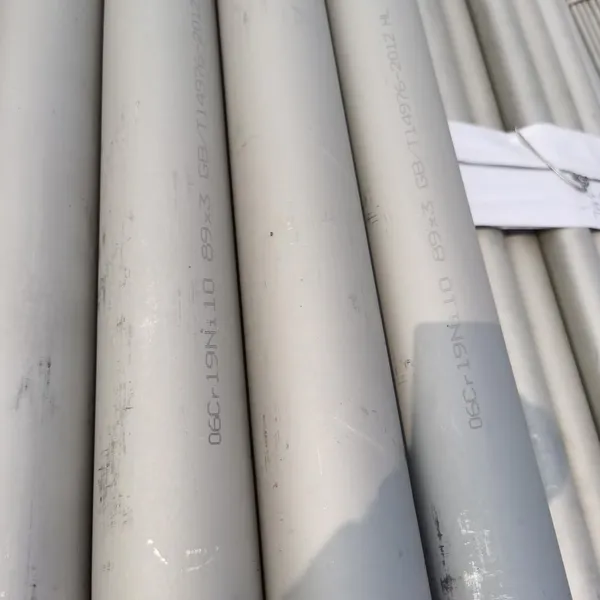
Stainless Steel Globe Valve – High Durability & Corrosion ResistanceNegotiableMOQ: 1 Piece
-
1.4529 Stainless Steel Flat Plate for Chemical Processing EquipmentUS$ 25 - 35MOQ: 1 Kilogram
-
Color Coated Steel Panels for Warehouse Partition Walls (Fireproof Grade)US$ 1 - 1.2MOQ: 50 Kilograms
-
Custom Width (600mm-1250mm) Colored Steel Coil With Scratch ResistanceUS$ 1 - 1.2MOQ: 50 Kilograms
-
0.5mm-3.0mm Colored Coated Steel Sheet With PVDF/Polyester CoatingUS$ 1 - 1.2MOQ: 50 Kilograms
-
JIS G 3322 Compliant Colored Coils With Third-Party Inspection ReportUS$ 1 - 1.2MOQ: 50 Kilograms