
 Business License

The Importance of Pre-Weld Heating and Post-Weld Heat Treatment
1. Pre-weld heating
Pre-weld heating and post-weld heat treatment are of great significance for ensuring welding quality. For welding of important components, alloy steel, and thick parts, pre-weld heating is required. The main functions of pre-weld heating are as follows:
(1) Pre-welding can slow down the cooling rate after welding, facilitating the escape of diffused hydrogen in the weld metal and avoiding hydrogen-induced cracks. It also reduces the hardening degree of the weld and the heat-affected zone, improving the crack resistance of the welded joint.
(2) Pre-welding can reduce welding stress. Uniform local pre-welding or overall pre-welding can reduce the temperature difference (also known as temperature gradient) between the welded parts and the welder's workpiece in the welding area. This way, it not only reduces welding stress but also lowers the welding strain rate, which is beneficial for avoiding welding cracks.
(3) Pre-welding can reduce the restraint of the welding structure, especially for angle joints, where the restraint is more obvious. As the pre-welding temperature increases, the crack occurrence rate decreases.
The selection of pre-welding temperature and interlayer temperature is not only related to the chemical composition of the steel and the welding rod, but also to the rigidity of the welding structure, welding method, and environmental temperature. These factors should be comprehensively considered before determining. Additionally, the uniformity of pre-welding temperature in the direction of steel plate thickness and in the weld area has an important impact on reducing welding stress. The width of local pre-welding should be determined according to the restraint condition of the welded workpiece. Generally, it should be three times the wall thickness around the weld area and should not be less than 150-200 millimeters. If the pre-welding is not uniform, it will not reduce the welding stress but may even increase it.
2. Post-weld Heat Treatment
The purpose of post-weld heat treatment is threefold: hydrogen removal, elimination of welding stress, and improvement of weld structure and overall performance.
Post-weld hydrogen removal treatment refers to the low-temperature heat treatment carried out immediately after welding, when the weld seam has not cooled below 100°C. The general specification is to heat to 200-350°C and hold for 2-6 hours. The main effect of post-weld hydrogen removal treatment is to accelerate the escape of hydrogen from the weld seam and the heat-affected zone, which is extremely effective in preventing welding cracks in low-alloy steel.
During the welding process, due to the non-uniformity of heating and cooling, as well as the restraint of the component itself or external constraints, welding stress will always be generated after the welding work is completed. The existence of welding stress in the component will reduce the actual bearing capacity of the weld joint area, cause plastic deformation, and in severe cases, lead to the failure of the component.
Decompression heat treatment is to make the welded workpiece undergo a high-temperature state, causing its yield strength to decrease, in order to relax the welding stress. There are two common methods: one is overall high-temperature tempering, that is, placing the weldment in a heating furnace, slowly heating to a certain temperature, then holding for a period of time, and finally cooling in the air or in the furnace. This method can eliminate 80%-90% of the welding stress. The other method is local high-temperature tempering, that is, only heating the weld seam and its adjacent area, then slowly cooling to reduce the peak value of the welding stress and make the stress distribution more gentle, achieving the purpose of partially eliminating the welding stress.
Some alloy steel materials may develop a hardened structure in the weld joint after welding, which deteriorates the material's mechanical properties. Moreover, this hardened structure may be damaged by the action of welding stress and hydrogen. If the microstructure of the joint is improved after heat treatment, the plasticity and toughness of the weld joint are enhanced, thereby improving the comprehensive mechanical properties of the weld joint.
Recently Posted
-
Does the stainless steel welded pipe have specific temperature requirements during the solution heat
January 20, 2026Solution heat treatment involves heating stainless steel to a high temperature and then rapidly cooling it to achieve an oversatur Read More
 -
Can stainless steel welded pipes be made into thick pipes
January 20, 2026With the improvement of high-quality welding technology and increasingly strict weld inspection, the application fields of s Read More
 -
Three types of commonly available food-grade stainless steel on the market
January 20, 2026The common food-grade stainless steel pipes are mainly composed of iron, chromium and carbon and other elements. Household stainle Read More
 -
What are the requirements for stainless steel welding pipe production equipment
January 20, 2026As is well known, stainless steel welded pipes have been widely used in various industries such as machinery, chemical engineering Read More

Contact Us
Recommended Products
-
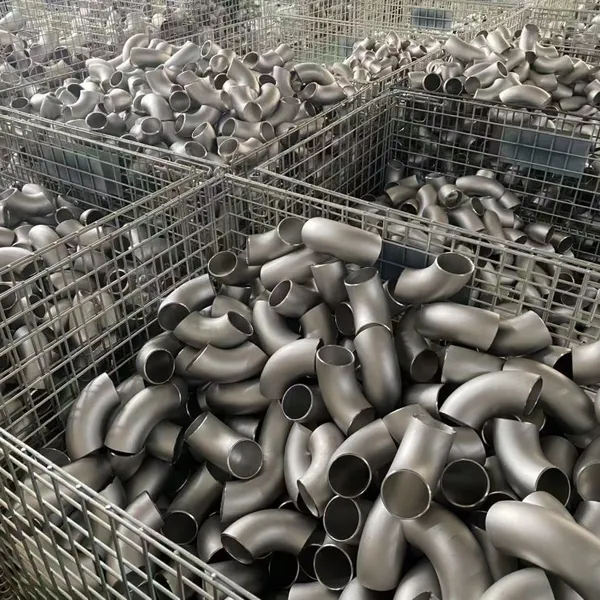
 Stainless Steel Elbow Welded Elbow 45/90/180-degree Seamless Pressed Elbow Long Radius Elbow Short Radius Elbow WholesaleNegotiableMOQ: 1 Piece
 -
316L/1.4405 Seamless Stainless Steel PipeNegotiableMOQ: 2 Meters
-
310s 440 Seamless Sanitary Piping Price 321 904l 201 20 Inch Seamless Steel Pipe A554 Stainless Steel PipeNegotiableMOQ: 1 Piece
-
China Brand ZZ Wholesale 304L 316 316L Welded Austenitic Piping Stainless Steel Pipe SupplierNegotiableMOQ: 2 Meters
-
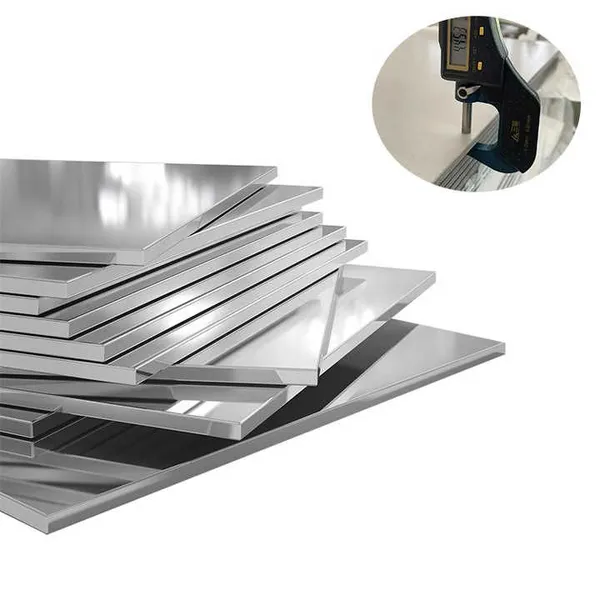
304/304L/316/409/410/904L/2205/2507/310H Premium Stainless Steel Sheets Supplier Custom Sizes & FinishesUS$ 1.72MOQ: 1 Ton
-
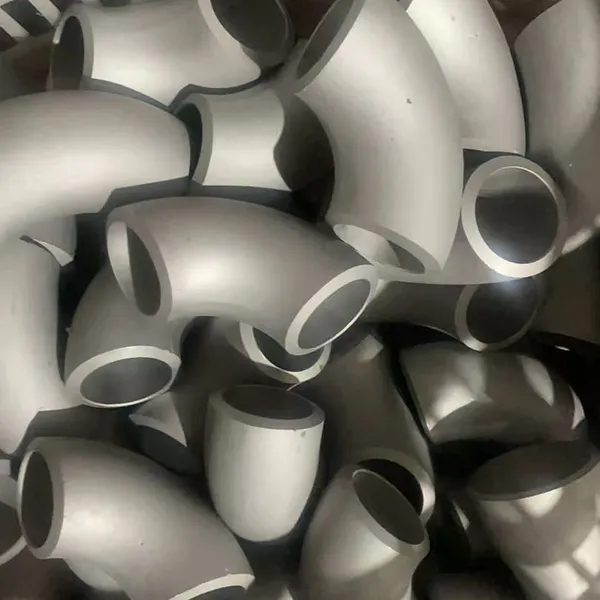
Stainless Steel ASME B16.9 Sch 45 90 Degree Pipe Fittings ElbowUS$ 8MOQ: 1 Piece
-
China Brand Zz 304L 316/316L GB En JIS Standard Thin Wall Welded Stainless Steel Water Pipe/TubeNegotiableMOQ: 2 Meters
-
BA 4 Inch 6 Inch 8 Inch 201 304 304L 316 316L Welded Seamless Stainless Steel PipeNegotiableMOQ: 2 Meters
-
ASME B36.19M-2004 SCH40S Stainless Steel Pipe - Complies With EU 3.1 CertificationUS$ 1 - 650MOQ: 1 Piece
-
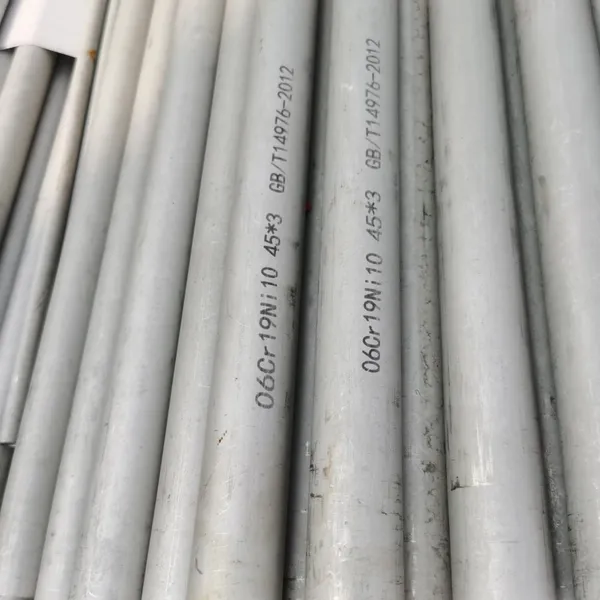
Factory TP309/TP309S/TP309H (UNS30900) Seamless Stainless Steel Pipe and Tube for Boiler BafflesUS$ 8MOQ: 200 Kilograms
-
TP347/TP347H/1.4961/S34709 Seamless Stainless Steel Pipe for UseNegotiableMOQ: 2 Meters
-
China 304 316 Stainless Steel Sanitary Welded Tube Food Grade Sanitary Grade Welded Pipe PolishingNegotiableMOQ: 1 Piece
-
China Manufacture Stainless Steel 316L Ba Seamless Welded Steel Pipe TubesUS$ 1760 - 1860MOQ: 5 Tons
-
316L/1.4405 Seamless Stainless Steel PipeNegotiableMOQ: 2 Meters
-
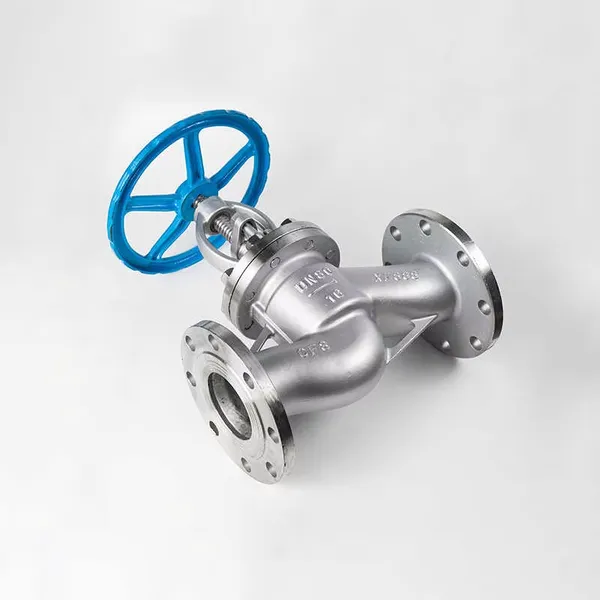
Stainless Steel Globe Valve – High Durability & Corrosion ResistanceNegotiableMOQ: 1 Piece
-
1.4529 Stainless Steel Flat Plate for Chemical Processing EquipmentUS$ 25 - 35MOQ: 1 Kilogram
-
Color Coated Steel Panels for Warehouse Partition Walls (Fireproof Grade)US$ 1 - 1.2MOQ: 50 Kilograms
-
Custom Width (600mm-1250mm) Colored Steel Coil With Scratch ResistanceUS$ 1 - 1.2MOQ: 50 Kilograms
-
0.5mm-3.0mm Colored Coated Steel Sheet With PVDF/Polyester CoatingUS$ 1 - 1.2MOQ: 50 Kilograms
-
JIS G 3322 Compliant Colored Coils With Third-Party Inspection ReportUS$ 1 - 1.2MOQ: 50 Kilograms