
 Business License

How to classify stainless steel
Answer: According to the organizational state, they are classified as martensitic steel, ferritic steel, austenitic steel, austenitic-ferritic (dual-phase) stainless steel, and precipitation-hardening stainless steel, etc.
Martensitic steel: It has high strength, but poor plasticity and weldability.
The common grades of martensitic stainless steel include 1Cr13, 3Cr13, etc. Due to their high carbon content, they possess relatively high strength, hardness and wear resistance, but their corrosion resistance is slightly inferior. They are used in some parts where mechanical performance is demanding and corrosion resistance is moderate, such as springs, turbine blades, hydraulic press valves, etc.
This type of steel is used after quenching and tempering processes. It needs to be annealed after forging and stamping.
(2) Ferritic steel: Contains 15% to 30% chromium. Its corrosion resistance, toughness and weldability increase with the increase of chromium content. Its resistance to chloride stress corrosion is superior to that of other types of stainless steel. Examples of this type include Crl7, Cr17Mo2Ti, Cr25, Cr25Mo3Ti, and Cr28.
Due to its high chromium content, its corrosion resistance and oxidation resistance are both relatively good, but its mechanical properties and process performance are poor. It is mostly used in acid-resistant structures with little force and as an antioxidant steel.
This type of steel can resist corrosion from the atmosphere, nitric acid and salt water solutions, and has excellent high-temperature oxidation resistance and a low thermal expansion coefficient. It is used in nitric acid and food factory equipment, and can also be used to manufacture parts that operate at high temperatures, such as gas turbine parts, etc.
(3) Austenitic steel: Contains more than 18% chromium, along with approximately 8% nickel and small amounts of molybdenum, titanium, nitrogen, etc. It has excellent comprehensive properties and can resist corrosion by various media.
The common method is to perform solid solution treatment, which involves heating the steel to 1050 - 1150℃, followed by water cooling or air cooling, to obtain a single-phase austenite structure.
(4) Austenitic-Ferritic (Duplex) Stainless Steel: It combines the advantages of austenitic and ferritic stainless steels and possesses superplasticity. The austenitic and ferritic structures each account for approximately half of the stainless steel.
When the content of C is low, the chromium content is between 18% and 28%, and the nickel content is between 3% and 10%. Some steels also contain alloy elements such as Mo, Cu, Si, Nb, Ti, and N.
This type of steel possesses the characteristics of both austenitic and ferritic stainless steels. Compared with ferritic stainless steel, it has higher plasticity and toughness, no room-temperature brittleness, significantly improved intergranular corrosion resistance and welding performance. At the same time, it retains the 475℃ brittleness and high thermal conductivity of ferritic stainless steel, as well as the features of superplasticity.
Compared with austenitic stainless steel, it has higher strength and significant improvements in resistance to intergranular corrosion and chloride stress corrosion. Duplex stainless steel has excellent resistance to pitting corrosion and is also a nickel-reducing stainless steel.
(5) Precipitation-hardening stainless steel: The matrix is of austenitic or martensitic structure. Common grades of precipitation-hardening stainless steel include 04Cr13Ni8Mo2Al, etc. This type of stainless steel can be hardened (strengthened) through precipitation hardening (also known as aging hardening) treatment.
It is classified by components into chromium stainless steel, chromium-nickel stainless steel, and chromium-manganese-nitrogen stainless steel, etc.
(1) Chromium stainless steel has certain corrosion resistance (to oxidizing acids, organic acids, cavitation erosion), heat resistance and wear resistance. It is generally used as material for power stations, chemical plants, petroleum and other equipment. However, its weldability is poor. Attention should be paid to welding techniques and heat treatment conditions.
(2) When chromium-nickel stainless steel is welded, repeated heating causes the formation of carbides, which will reduce its corrosion resistance and mechanical properties.
(2) The chromium-manganese stainless steel exhibits excellent properties such as strength, ductility, toughness, formability, weldability, wear resistance and corrosion resistance.
Recently Posted
-
Does the stainless steel welded pipe have specific temperature requirements during the solution heat
January 20, 2026Solution heat treatment involves heating stainless steel to a high temperature and then rapidly cooling it to achieve an oversatur Read More
 -
Can stainless steel welded pipes be made into thick pipes
January 20, 2026With the improvement of high-quality welding technology and increasingly strict weld inspection, the application fields of s Read More
 -
Three types of commonly available food-grade stainless steel on the market
January 20, 2026The common food-grade stainless steel pipes are mainly composed of iron, chromium and carbon and other elements. Household stainle Read More
 -
What are the requirements for stainless steel welding pipe production equipment
January 20, 2026As is well known, stainless steel welded pipes have been widely used in various industries such as machinery, chemical engineering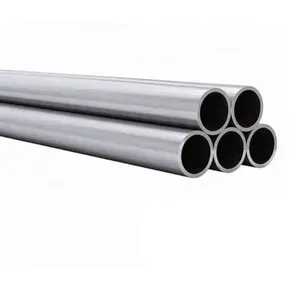 Read More

Contact Us
Recommended Products
-
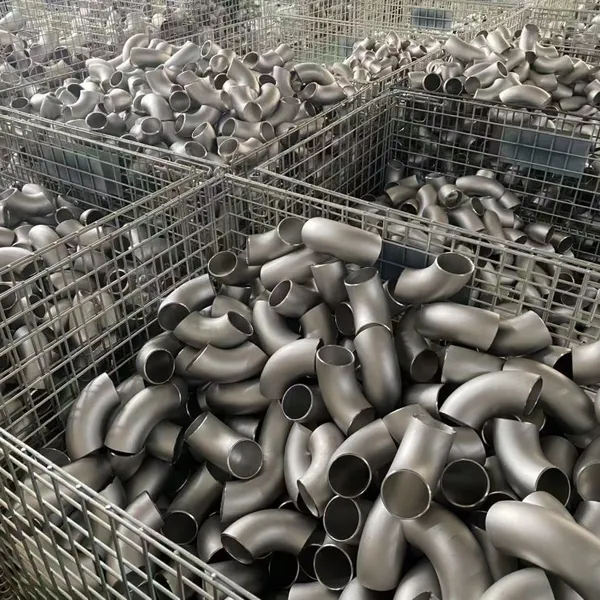
 Stainless Steel Elbow Welded Elbow 45/90/180-degree Seamless Pressed Elbow Long Radius Elbow Short Radius Elbow WholesaleNegotiableMOQ: 1 Piece
 -
316L/1.4405 Seamless Stainless Steel PipeNegotiableMOQ: 2 Meters
-
310s 440 Seamless Sanitary Piping Price 321 904l 201 20 Inch Seamless Steel Pipe A554 Stainless Steel PipeNegotiableMOQ: 1 Piece
-
China Brand ZZ Wholesale 304L 316 316L Welded Austenitic Piping Stainless Steel Pipe SupplierNegotiableMOQ: 2 Meters
-
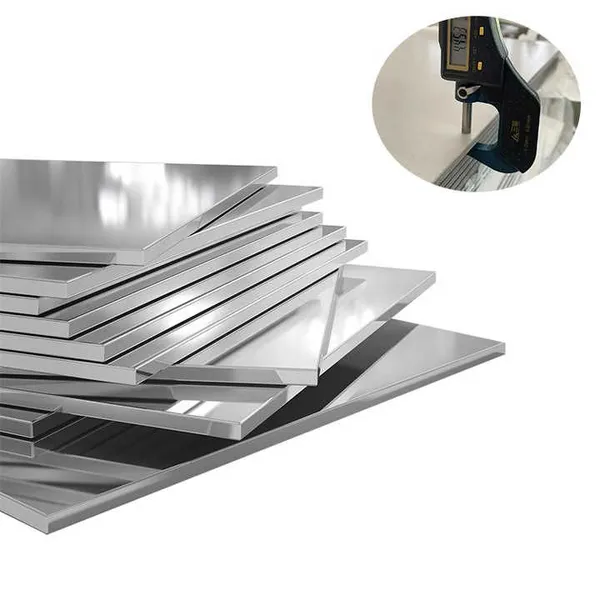
304/304L/316/409/410/904L/2205/2507/310H Premium Stainless Steel Sheets Supplier Custom Sizes & FinishesUS$ 1.72MOQ: 1 Ton
-
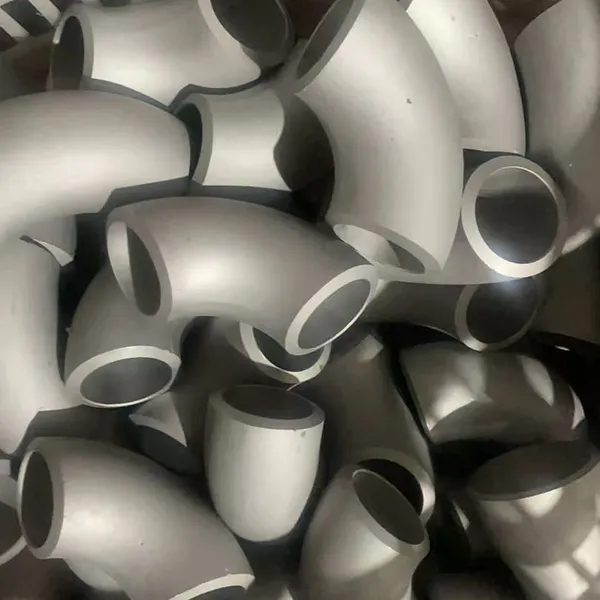
Stainless Steel ASME B16.9 Sch 45 90 Degree Pipe Fittings ElbowUS$ 8MOQ: 1 Piece
-
China Brand Zz 304L 316/316L GB En JIS Standard Thin Wall Welded Stainless Steel Water Pipe/TubeNegotiableMOQ: 2 Meters
-
BA 4 Inch 6 Inch 8 Inch 201 304 304L 316 316L Welded Seamless Stainless Steel PipeNegotiableMOQ: 2 Meters
-
ASME B36.19M-2004 SCH40S Stainless Steel Pipe - Complies With EU 3.1 CertificationUS$ 1 - 650MOQ: 1 Piece
-
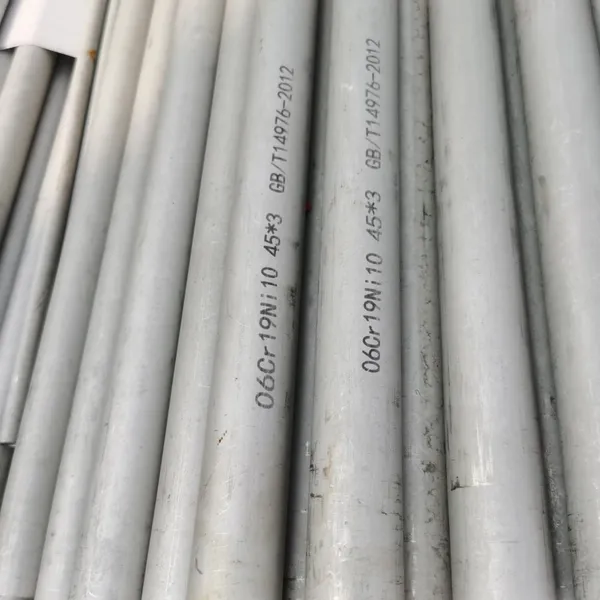
Factory TP309/TP309S/TP309H (UNS30900) Seamless Stainless Steel Pipe and Tube for Boiler BafflesUS$ 8MOQ: 200 Kilograms
-
TP347/TP347H/1.4961/S34709 Seamless Stainless Steel Pipe for UseNegotiableMOQ: 2 Meters
-
China 304 316 Stainless Steel Sanitary Welded Tube Food Grade Sanitary Grade Welded Pipe PolishingNegotiableMOQ: 1 Piece
-
China Manufacture Stainless Steel 316L Ba Seamless Welded Steel Pipe TubesUS$ 1760 - 1860MOQ: 5 Tons
-
316L/1.4405 Seamless Stainless Steel PipeNegotiableMOQ: 2 Meters
-
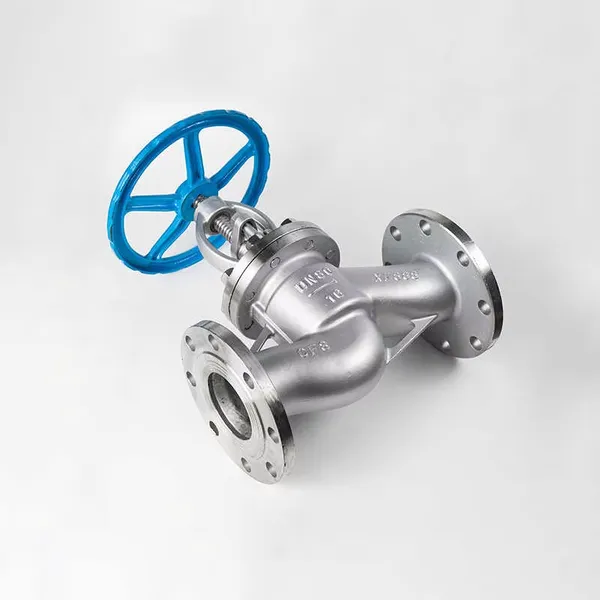
Stainless Steel Globe Valve – High Durability & Corrosion ResistanceNegotiableMOQ: 1 Piece
-
1.4529 Stainless Steel Flat Plate for Chemical Processing EquipmentUS$ 25 - 35MOQ: 1 Kilogram
-
Color Coated Steel Panels for Warehouse Partition Walls (Fireproof Grade)US$ 1 - 1.2MOQ: 50 Kilograms
-
Custom Width (600mm-1250mm) Colored Steel Coil With Scratch ResistanceUS$ 1 - 1.2MOQ: 50 Kilograms
-
0.5mm-3.0mm Colored Coated Steel Sheet With PVDF/Polyester CoatingUS$ 1 - 1.2MOQ: 50 Kilograms
-
JIS G 3322 Compliant Colored Coils With Third-Party Inspection ReportUS$ 1 - 1.2MOQ: 50 Kilograms