
 Business License

The welding process of high-pressure stainless steel pipes
1. Reference Standard
GB50236—98 "Code for Construction and Acceptance of Welding Works for On-site Equipment and Industrial Pipelines"
2. Welding Qualification and Responsibilities
2.1 All welders participating in the examination of high-pressure stainless steel pipes must have the qualification certificate for the corresponding grade of austenitic stainless steel pipe materials. They should take the examination in accordance with the provisions of "Rules for Welding Examination of Boilers and Pressure Vessels", and can only engage in welding of the qualified grade. A 5G qualification can exempt from the 1G examination.
2.2 Welders who have obtained the qualification for welding should weld according to the specified welding process parameters throughout the welding process, and fill in the welding work record form truthfully.
3. Pre-weld Preparation
3.1 Groove processing should be carried out by mechanical methods.
3.2 Before spot welding of the joint assembly, first check whether the inner side of the pipe end is aligned, so as to minimize the edge deviation, the error of the fillet weld should be within 0.5mm, the error of the root gap can be within 1mm, and it should be measured along the circumferential direction.
3.3 Additional welding qualification, that is, a simulated actual examination. It is recommended that the test piece size be Ф150×15, with a length of 100mm, two pipe sections should be assembled, and the welding should be performed from the bottom upwards at the 5G (i.e., horizontal fixation) position. The materials and process parameters used should be exactly the same as the actual welding, and the same test piece can be used for two welders, each welding 1800, with at least 4 layers of filler layer added for the base layer. After welding, the following inspections should be carried out:
a) 4.3.1 Appearance
b) X-ray
c) Ferrite content
d) Two hardness tests
e) Microscopy
f) Penetrant
3.4 Selection of Welding Materials
a) Welding rods E00-18-12-M02-16 (A022), E0-18-12M02N6-16 (A212);
b) Welding wire HOCr20Ni14Mo3. ;
c) The purity of argon gas is 99.98%.
3.5 No preheating is required before welding, unless the temperature is below 0℃. The base metal can be preheated to a warm temperature that feels comfortable to the touch. The interlayer temperature should be less than 100℃. Temperature can be measured using a thermometer.
3.6 Before welding the pipe, all dirt, oil stains, and moisture within 20mm around the groove and its vicinity should be removed. White clay should be applied on both sides of the groove within 100mm to prevent the welding splatter from contaminating the surface of the weld.
3.7 The welding rods should be dried as per the regulations and kept dry during use. The welding wires should have their surface oil, rust, etc. removed before use.
4 Welding process
4.1 Use a combination welding process of argon arc welding for the base layer, manual arc welding for the filling layer, and overlay welding for the covering layer.
4.2 Spot welding seams are part of the formal welds and should meet the requirements of formal welding. The ends of the spot weld seams should be made into gentle slopes.
4.3 For the base layer and the first filling layer welding, argon gas should be supplied for protection on the backside of the weld regardless of which layer is being welded. The local heat input should be as small as possible, the swing amplitude of the welding rod should not exceed 3 times the diameter, and the interlayer temperature of the previous weld pass should not exceed 100℃. Each end fire hole should be ground off. If the base layer is burned through during the filling process, the weld is scrapped and all welds must be redone.
4.4 After the welds are completed, the welder should make his/her steel mark in the position and promptly fill out the "High-pressure Stainless Steel Welding Work Record".
5 Welding inspection
5.1 After the first filling layer is completed, the following inspections should be carried out:
a) Inspect the inner surface quality using an endoscope;
b) 100% liquid penetrant testing;
c) 100% ferrite content determination;
d) 100% X-ray inspection.
5.2 After the final welding is completed, the following inspections should be carried out:
a) Visual inspection;
b) 100% liquid penetrant testing;
c) 100% X-ray inspection;
d) 100% ferrite content determination.
5.3 The visual inspection should meet the following requirements:
a) No undercut, no cracks, no burn-through, no protrusions;
b) For high DH > 200mm, 3mm; for DH ≤ 200mm, 2mm; for DH > 25mm, 1mm. The weld seam should be smooth with the base metal;
c) The weld width is the groove width + 1.5 to 2mm, and the width difference should be less than 1mm;
d) Use a 15x magnifying glass to inspect for no cracks.
5.4 The Schmid test, with an average corrosion rate of no more than 5um over 5 cycles (each 48 hours), and the local intergranular corrosion amount at any point should not exceed 200um.
6.4 Schmid test specimens
5.5 The qualified standards for non-destructive testing
a) No cracks in liquid penetrant testing;
b) Grade I X-ray testing is qualified;
c) Ferrite content does not exceed 2%;
d) Microstructure conforms to the standard requirements.
5.6 The number of rework attempts for the same area shall not exceed 2 times
Recently Posted
-
Does the stainless steel welded pipe have specific temperature requirements during the solution heat
January 20, 2026Solution heat treatment involves heating stainless steel to a high temperature and then rapidly cooling it to achieve an oversatur Read More
 -
Can stainless steel welded pipes be made into thick pipes
January 20, 2026With the improvement of high-quality welding technology and increasingly strict weld inspection, the application fields of s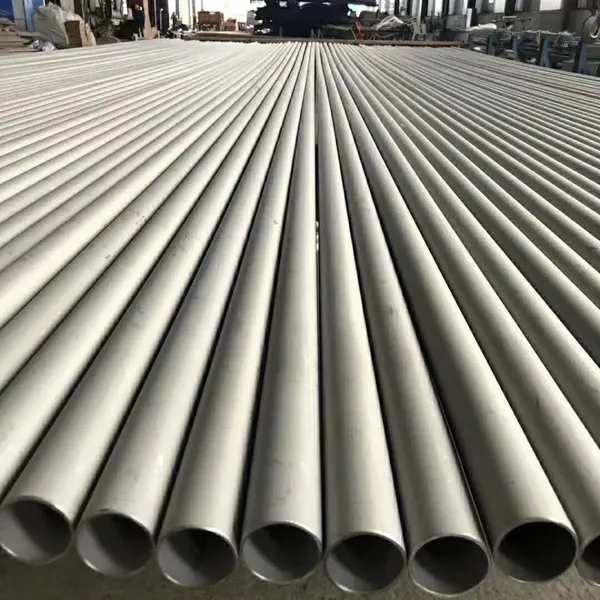 Read More
 -
Three types of commonly available food-grade stainless steel on the market
January 20, 2026The common food-grade stainless steel pipes are mainly composed of iron, chromium and carbon and other elements. Household stainle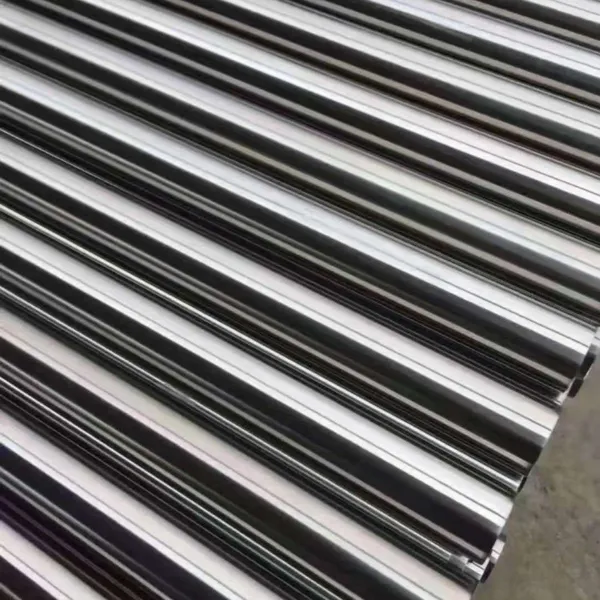 Read More
 -
What are the requirements for stainless steel welding pipe production equipment
January 20, 2026As is well known, stainless steel welded pipes have been widely used in various industries such as machinery, chemical engineering Read More

Contact Us
Recommended Products
-
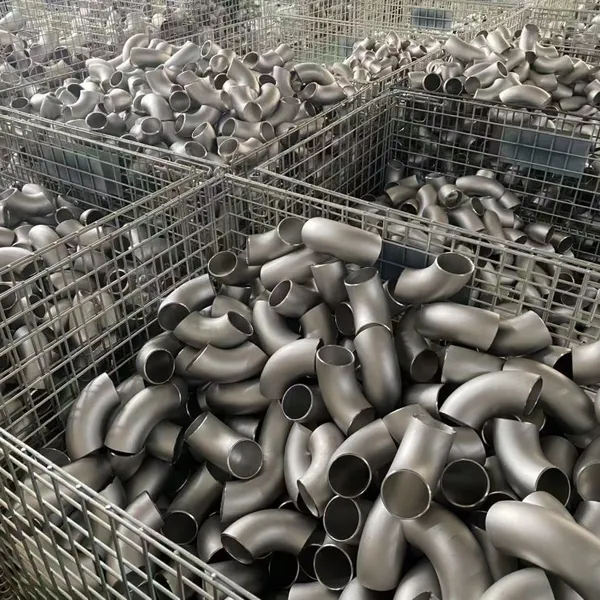
 Stainless Steel Elbow Welded Elbow 45/90/180-degree Seamless Pressed Elbow Long Radius Elbow Short Radius Elbow WholesaleNegotiableMOQ: 1 Piece
 -
316L/1.4405 Seamless Stainless Steel PipeNegotiableMOQ: 2 Meters
-
310s 440 Seamless Sanitary Piping Price 321 904l 201 20 Inch Seamless Steel Pipe A554 Stainless Steel PipeNegotiableMOQ: 1 Piece
-
China Brand ZZ Wholesale 304L 316 316L Welded Austenitic Piping Stainless Steel Pipe SupplierNegotiableMOQ: 2 Meters
-
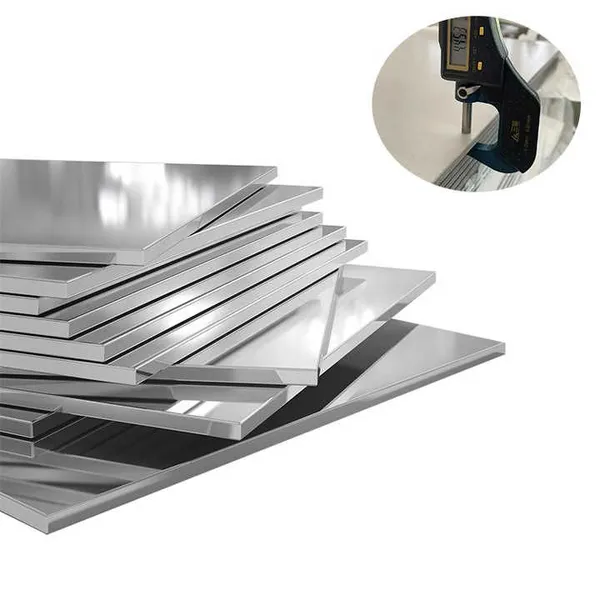
304/304L/316/409/410/904L/2205/2507/310H Premium Stainless Steel Sheets Supplier Custom Sizes & FinishesUS$ 1.72MOQ: 1 Ton
-
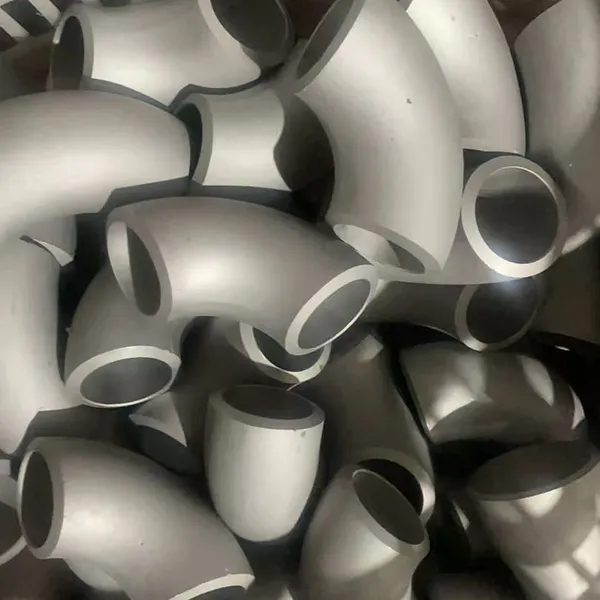
Stainless Steel ASME B16.9 Sch 45 90 Degree Pipe Fittings ElbowUS$ 8MOQ: 1 Piece
-
China Brand Zz 304L 316/316L GB En JIS Standard Thin Wall Welded Stainless Steel Water Pipe/TubeNegotiableMOQ: 2 Meters
-
BA 4 Inch 6 Inch 8 Inch 201 304 304L 316 316L Welded Seamless Stainless Steel PipeNegotiableMOQ: 2 Meters
-
ASME B36.19M-2004 SCH40S Stainless Steel Pipe - Complies With EU 3.1 CertificationUS$ 1 - 650MOQ: 1 Piece
-
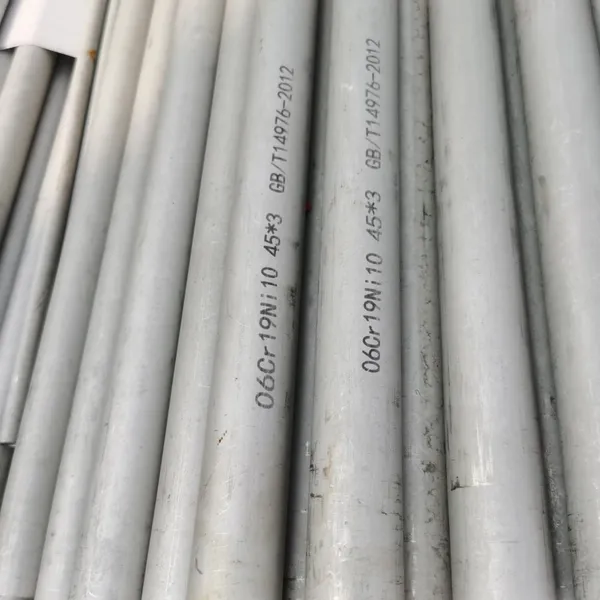
Factory TP309/TP309S/TP309H (UNS30900) Seamless Stainless Steel Pipe and Tube for Boiler BafflesUS$ 8MOQ: 200 Kilograms
-
TP347/TP347H/1.4961/S34709 Seamless Stainless Steel Pipe for UseNegotiableMOQ: 2 Meters
-
China 304 316 Stainless Steel Sanitary Welded Tube Food Grade Sanitary Grade Welded Pipe PolishingNegotiableMOQ: 1 Piece
-
China Manufacture Stainless Steel 316L Ba Seamless Welded Steel Pipe TubesUS$ 1760 - 1860MOQ: 5 Tons
-
316L/1.4405 Seamless Stainless Steel PipeNegotiableMOQ: 2 Meters
-
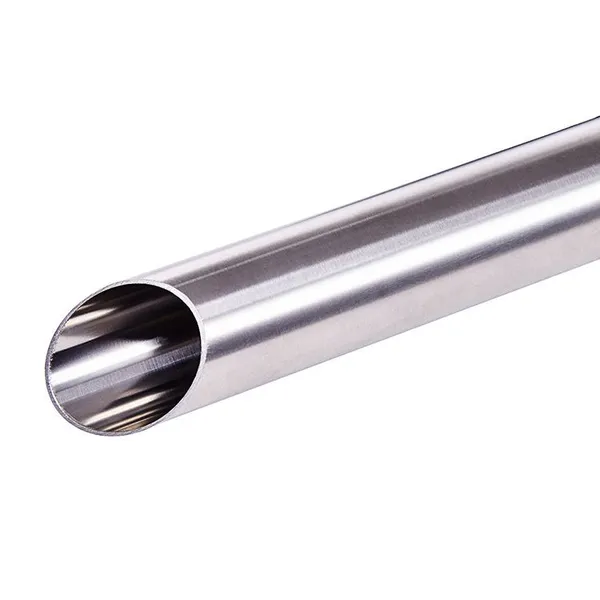
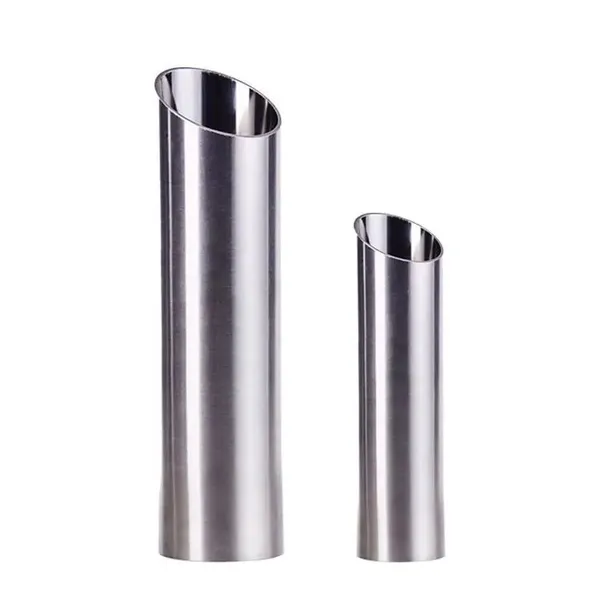
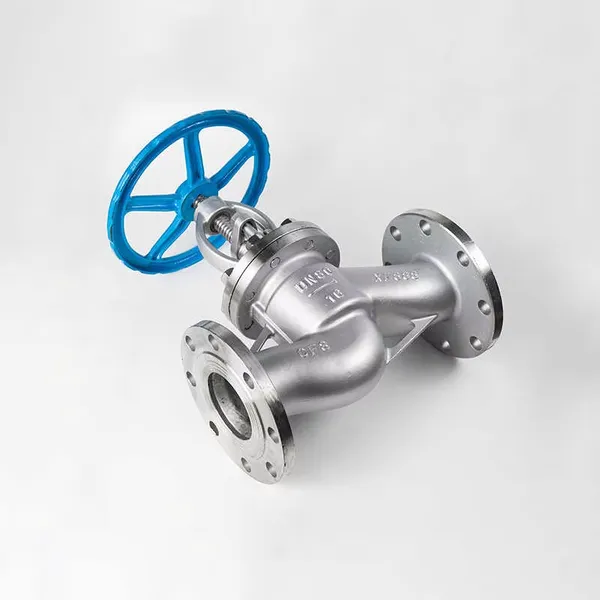
Stainless Steel Globe Valve – High Durability & Corrosion ResistanceNegotiableMOQ: 1 Piece
-
1.4529 Stainless Steel Flat Plate for Chemical Processing EquipmentUS$ 25 - 35MOQ: 1 Kilogram
-
Color Coated Steel Panels for Warehouse Partition Walls (Fireproof Grade)US$ 1 - 1.2MOQ: 50 Kilograms
-
Custom Width (600mm-1250mm) Colored Steel Coil With Scratch ResistanceUS$ 1 - 1.2MOQ: 50 Kilograms
-
0.5mm-3.0mm Colored Coated Steel Sheet With PVDF/Polyester CoatingUS$ 1 - 1.2MOQ: 50 Kilograms
-
JIS G 3322 Compliant Colored Coils With Third-Party Inspection ReportUS$ 1 - 1.2MOQ: 50 Kilograms