
 Business License

The differences between 304 and 304L and 316 and 316L
What exactly are "steel" and "iron", what are their properties, and what is the relationship between them? Also, where do the terms 304, 304L, 316, and 316L come from, and what are the differences among them?
Steel: A material with iron as the main element, a carbon content generally below 2%, and containing other elements. - GB/T 13304-91 "Steel Classification"
Iron: A metallic element with atomic number 26. Iron materials have strong ferromagnetism and good plasticity and thermal conductivity.
Stainless steel: A type of steel that is resistant to weak corrosive media such as air, steam, and water or has a non-rusting property. Commonly used steel grades are 304, 304L, 316, and 316L, which belong to the 300 series of austenitic stainless steel.
304 stainless steel
Performance Introduction
304 stainless steel is the most common type of steel. As a versatile steel, it has excellent corrosion resistance, heat resistance, low-temperature strength, and mechanical properties. It is easy to process through hot working such as stamping and bending, and there is no hardening phenomenon during heat treatment (non-magnetic, applicable temperature range: -196°C to 800°C).
Application Scope
Household items (dining utensils of Class 1 and 2, cabinets, indoor pipelines, water heaters, boilers, bathtubs)
Automotive parts (windshield wipers, mufflers, molded products)
Medical equipment, building materials, chemical industry, food industry, agriculture, ship components
304L Stainless Steel (L for low carbon)
Performance Introduction
As a low-carbon version of 304 steel, in its general state, its corrosion resistance is similar to that of 304 steel. However, after welding or stress relief, its resistance to intergranular corrosion is excellent. Even without heat treatment, it can maintain good corrosion resistance, with a service temperature range of -196°C to 800°C.
Application Scope
It is used in outdoor machinery in the chemical, coal, and petroleum industries where high resistance to intergranular corrosion is required, as well as in heat-resistant parts of building materials and parts where heat treatment is difficult.
316 Stainless Steel
Performance Introduction
316 stainless steel has particularly good corrosion resistance, atmospheric corrosion resistance and high-temperature strength due to the addition of molybdenum, and can be used under harsh conditions; it has excellent work hardening properties (non-magnetic).
Application Scope
Equipment used in seawater, chemical, dye, papermaking, oxalic acid, fertilizer and other production equipment; photography, food industry, coastal area facilities, ropes, CD rods, bolts, nuts.
316L Stainless Steel (L for low carbon)
Performance Introduction
As the low-carbon series of the 316 steel grade, it shares the same characteristics as 316 steel, with the added advantage of superior resistance to intergranular corrosion.
Application Scope
Products with special requirements for resistance to intergranular corrosion.
Corrosion resistance
The corrosion resistance of 316 stainless steel is superior to that of 304 stainless steel, and it has good corrosion resistance in the production processes of pulp and paper. Moreover, 316 stainless steel is also resistant to corrosion from marine and corrosive industrial atmospheres.
Generally speaking, there is not much difference between 304 stainless steel and 316 stainless steel in terms of chemical corrosion resistance, but there are some differences in certain specific media.
The first developed stainless steel was 304, and in certain circumstances, this material is relatively sensitive to pitting corrosion. Adding an extra 2-3% of molybdenum can reduce this sensitivity, and thus 316 was born. Additionally, this extra molybdenum can also reduce the corrosion of certain hot organic acids.
316 stainless steel has almost become the standard material in the food and beverage industry. Due to the shortage of molybdenum worldwide and the higher nickel content in 316 stainless steel, it is more expensive than 304 stainless steel.
Pitting corrosion is a phenomenon mainly caused by the deposition of corrosion on the surface of stainless steel, which is due to the lack of oxygen and the inability to form a protective layer of chromium oxide.
Especially in small valves, the possibility of deposition on the valve plate is very small, so pitting corrosion is also rare.
In various types of water media (distilled water, drinking water, river water, boiler water, seawater, etc.), the corrosion resistance of 304 stainless steel and 316 stainless steel is almost the same, unless the chloride ion content in the medium is very high, in which case 316 stainless steel is more suitable.
In most cases, there is not much difference in corrosion resistance between 304 stainless steel and 316 stainless steel, but in some cases, the difference can be significant and should be analyzed on a case-by-case basis. Generally speaking, valve users should be aware of this, as they will choose the material of containers and pipes based on the medium conditions. It is not recommended to recommend materials to users.
Heat resistance
316 stainless steel has good oxidation resistance in intermittent use at temperatures below 1600 degrees and in continuous use at temperatures below 1700 degrees. It is not advisable to use 316 stainless steel continuously within the range of 800 to 1575 degrees, but it has good heat resistance when used continuously outside this temperature range. 316L stainless steel has better resistance to carbide precipitation than 316 stainless steel and can be used within the above-mentioned temperature range.
Heat treatment
Anneal within the temperature range of 1850 - 2050 degrees, then rapidly cool. 316 stainless steel cannot be hardened by heat treatment.
316 stainless steel has excellent welding properties. All standard welding methods can be used for welding. During welding, depending on the application, 316Cb, 316L or 309Cb stainless steel filler rods or electrodes can be used. To achieve the best corrosion resistance, the welded surface of 316 stainless steel needs to undergo post-weld annealing treatment. If 316L stainless steel is used, post-weld annealing treatment is not required.
Magnetism
The widespread use of austenitic stainless steel has led to the misconception that all stainless steels are non-magnetic. For austenitic stainless steel, it can basically be considered non-magnetic, and this is indeed the case for quenched forged steel. However, 304 that has undergone cold forming will have a slight magnetic property. For cast steel, if it is 100% austenitic stainless steel, it will be non-magnetic.
Low-carbon type of stainless steel
The corrosion resistance of austenitic stainless steel comes from the protective layer of chromium oxide formed on the metal surface. If the material is heated to a high temperature of 450°C to 900°C, the structure of the material will change, and chromium carbide will form along the crystal edges. As a result, the chromium oxide protective layer cannot form at the crystal edges, leading to a decrease in corrosion resistance. This type of corrosion is called "intergranular corrosion".
To combat this corrosion, 304L stainless steel and 316L stainless steel were developed. Both 304L stainless steel and 316L stainless steel have a lower carbon content. Due to the reduced carbon content, chromium carbide will not form, and thus intergranular corrosion will not occur.
It should be noted that a higher susceptibility to intergranular corrosion does not mean that non-low-carbon materials are more prone to corrosion. In high-chloride environments, this susceptibility is also higher.
Please note that this phenomenon is due to high temperatures (450°C - 900°C). Usually, welding is the direct cause of reaching this temperature. For conventional soft-seat butterfly valves, since we do not perform welding operations on the valve plate, using low-carbon stainless steel does not make much sense. However, most specification sheets will require 304L stainless steel or 316L stainless steel.
Recently Posted
-
Does the stainless steel welded pipe have specific temperature requirements during the solution heat
January 20, 2026Solution heat treatment involves heating stainless steel to a high temperature and then rapidly cooling it to achieve an oversatur Read More
 -
Can stainless steel welded pipes be made into thick pipes
January 20, 2026With the improvement of high-quality welding technology and increasingly strict weld inspection, the application fields of s Read More
 -
Three types of commonly available food-grade stainless steel on the market
January 20, 2026The common food-grade stainless steel pipes are mainly composed of iron, chromium and carbon and other elements. Household stainle Read More
 -
What are the requirements for stainless steel welding pipe production equipment
January 20, 2026As is well known, stainless steel welded pipes have been widely used in various industries such as machinery, chemical engineering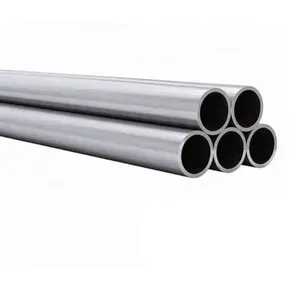 Read More

Contact Us
Recommended Products
-
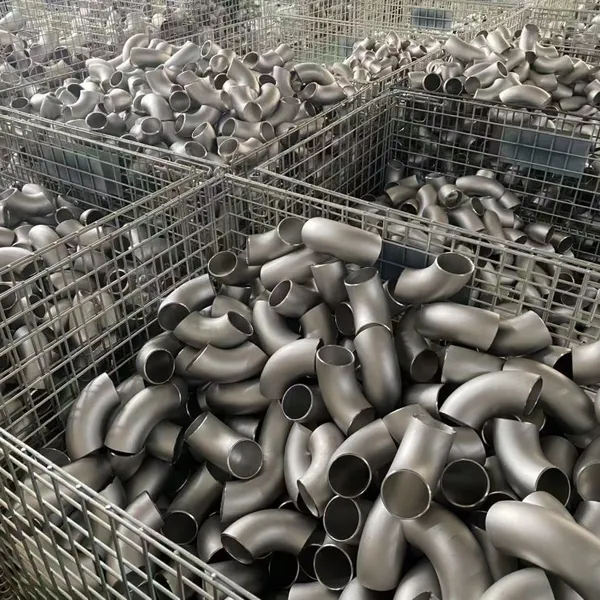
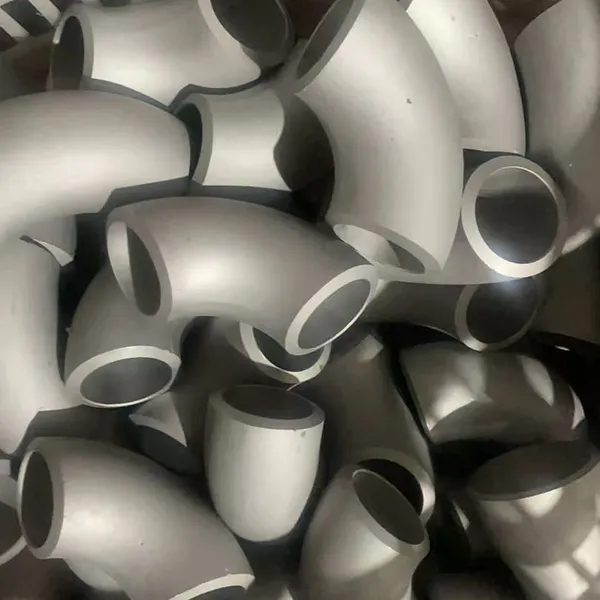
 Stainless Steel Elbow Welded Elbow 45/90/180-degree Seamless Pressed Elbow Long Radius Elbow Short Radius Elbow WholesaleNegotiableMOQ: 1 Piece
 -
316L/1.4405 Seamless Stainless Steel PipeNegotiableMOQ: 2 Meters
-
310s 440 Seamless Sanitary Piping Price 321 904l 201 20 Inch Seamless Steel Pipe A554 Stainless Steel PipeNegotiableMOQ: 1 Piece
-
China Brand ZZ Wholesale 304L 316 316L Welded Austenitic Piping Stainless Steel Pipe SupplierNegotiableMOQ: 2 Meters
-
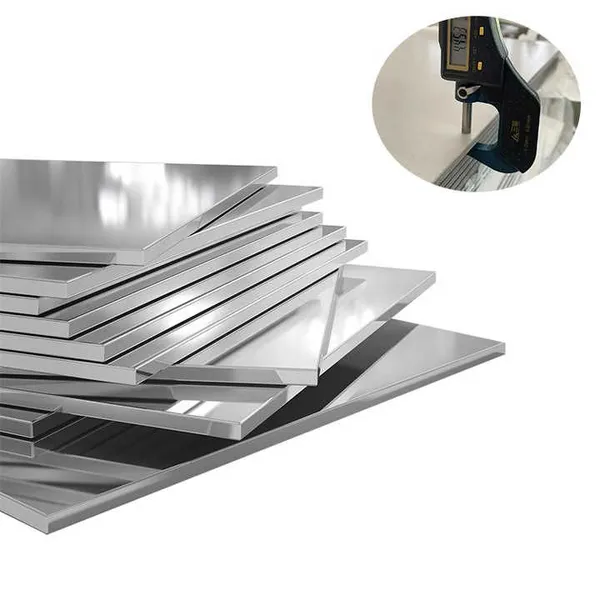
304/304L/316/409/410/904L/2205/2507/310H Premium Stainless Steel Sheets Supplier Custom Sizes & FinishesUS$ 1.72MOQ: 1 Ton
-
Stainless Steel ASME B16.9 Sch 45 90 Degree Pipe Fittings ElbowUS$ 8MOQ: 1 Piece
-
China Brand Zz 304L 316/316L GB En JIS Standard Thin Wall Welded Stainless Steel Water Pipe/TubeNegotiableMOQ: 2 Meters
-
BA 4 Inch 6 Inch 8 Inch 201 304 304L 316 316L Welded Seamless Stainless Steel PipeNegotiableMOQ: 2 Meters
-
ASME B36.19M-2004 SCH40S Stainless Steel Pipe - Complies With EU 3.1 CertificationUS$ 1 - 650MOQ: 1 Piece
-
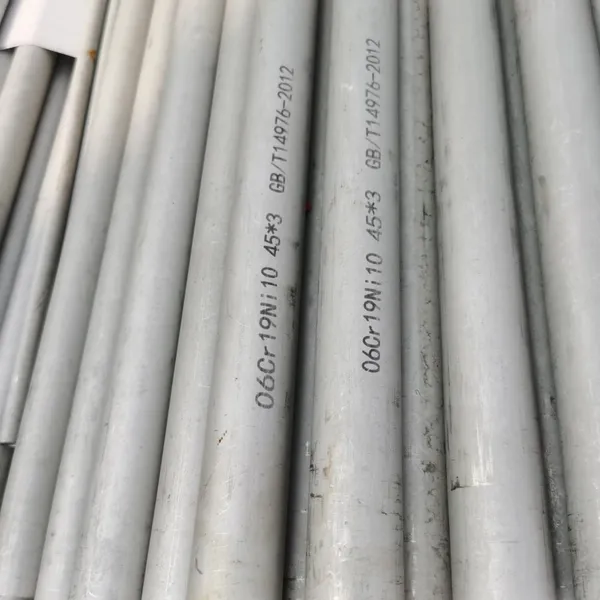
Factory TP309/TP309S/TP309H (UNS30900) Seamless Stainless Steel Pipe and Tube for Boiler BafflesUS$ 8MOQ: 200 Kilograms
-
TP347/TP347H/1.4961/S34709 Seamless Stainless Steel Pipe for UseNegotiableMOQ: 2 Meters
-
China 304 316 Stainless Steel Sanitary Welded Tube Food Grade Sanitary Grade Welded Pipe PolishingNegotiableMOQ: 1 Piece
-
China Manufacture Stainless Steel 316L Ba Seamless Welded Steel Pipe TubesUS$ 1760 - 1860MOQ: 5 Tons
-
316L/1.4405 Seamless Stainless Steel PipeNegotiableMOQ: 2 Meters
-
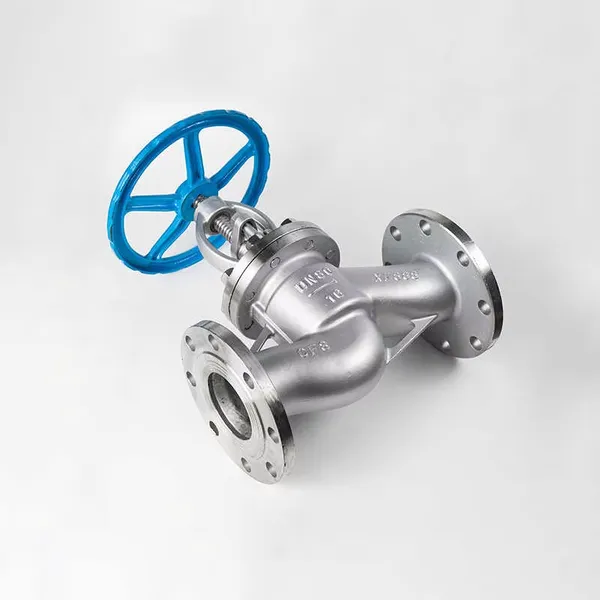
Stainless Steel Globe Valve – High Durability & Corrosion ResistanceNegotiableMOQ: 1 Piece
-
1.4529 Stainless Steel Flat Plate for Chemical Processing EquipmentUS$ 25 - 35MOQ: 1 Kilogram
-
Color Coated Steel Panels for Warehouse Partition Walls (Fireproof Grade)US$ 1 - 1.2MOQ: 50 Kilograms
-
Custom Width (600mm-1250mm) Colored Steel Coil With Scratch ResistanceUS$ 1 - 1.2MOQ: 50 Kilograms
-
0.5mm-3.0mm Colored Coated Steel Sheet With PVDF/Polyester CoatingUS$ 1 - 1.2MOQ: 50 Kilograms
-
JIS G 3322 Compliant Colored Coils With Third-Party Inspection ReportUS$ 1 - 1.2MOQ: 50 Kilograms