
 Business License

Does food-grade stainless steel pipe need pickling
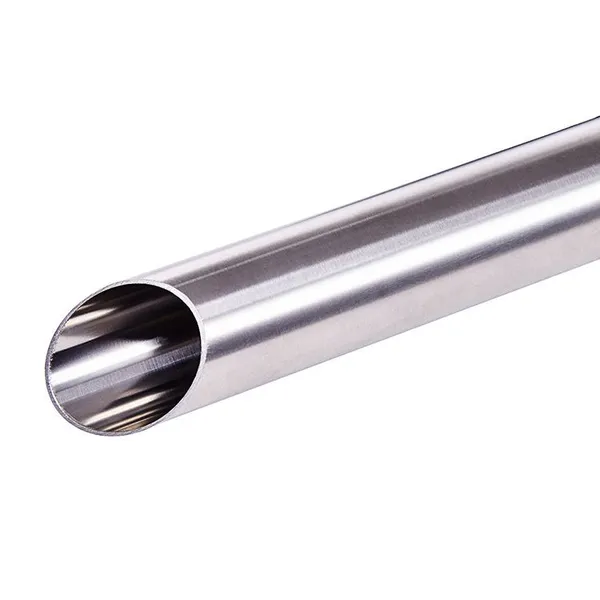
It is essential. The quality of food and beverage hygiene is determined by multiple factors, and the quality of the production process pipelines or the pipelines transporting production process media and their construction quality are among them. The materials for these process pipelines are mostly 304 food-grade stainless steel pipes, and the pipes are connected by welding. During the welding process, the weld seam is oxidized at high temperatures, which can damage the passivation layer on the inner and outer walls of the pipe. To ensure that the pipeline can meet the requirements of transporting the process medium, it is necessary to perform acid washing on the pipeline system.
Acid washing is a process that removes the oxide and oil stains on the inner and outer surfaces of food-grade stainless steel pipes through chemical reactions, and forms a dense oxide film on the surface of the stainless steel after acid washing. This process is called acid washing and passivation. This film is the key to preventing stainless steel from rusting and corroding in general media. Food-grade stainless steel pipes are often acid washed and passivated together. Generally, stainless steel that needs to be acid washed must also be passivated because the surface does not form a passivation film or the thickness of the passivation film is very thin after acid washing, which does not play a significant role. Therefore, a subsequent passivation process must be added to form and improve the passivation film on the surface of the stainless steel.
Acid washing creates conditions for passivation treatment and ensures the formation of a dense passivation film. Because acid washing causes an average of 10 microns of the surface of the stainless steel to be corroded, the chemical activity of the acid solution makes the dissolution rate of the defective areas higher than that of other areas on the surface. Therefore, acid washing can make the entire surface tend to be uniform and balanced, and some potential hazards that were originally prone to corrosion are eliminated.
More importantly, through acid washing and passivation, iron and iron oxides are preferentially dissolved compared to chromium and chromium oxides, removing the chromium-poor layer and causing chromium to accumulate on the surface of the stainless steel. The potential of this chromium-rich passivation film can reach +1.0V (SCE), approaching the potential of precious metals, which improves the stability of corrosion resistance. Different passivation treatments can also affect the composition and structure of the film, thereby affecting the stainlessness. For example, through electrochemical modification treatment, the passivation film can have a multilayer structure, with the barrier layer being CrO3 or Cr2O3, or forming a glassy oxide film, allowing food-grade stainless steel pipes to achieve the maximum corrosion resistance.
In addition, the surface of food-grade stainless steel pipes after acid washing should be uniformly silver-white, smooth and beautiful, without obvious corrosion marks. The weld seams and heat-affected zones should not have an oxidized color, and there should be no unevenly colored spots.
Acid washing can improve the cleanliness and oil resistance of stainless steel pipes, remove impurities and grease from the pipe walls, and ensure that the fluid is not contaminated by the pipeline. It can also form a dense passivation film on the surface, protecting food-grade stainless steel pipes from oxidation and corrosion, and extending the service life of the pipes.
Recently Posted
-
Does the stainless steel welded pipe have specific temperature requirements during the solution heat
January 20, 2026Solution heat treatment involves heating stainless steel to a high temperature and then rapidly cooling it to achieve an oversatur Read More
 -
Can stainless steel welded pipes be made into thick pipes
January 20, 2026With the improvement of high-quality welding technology and increasingly strict weld inspection, the application fields of s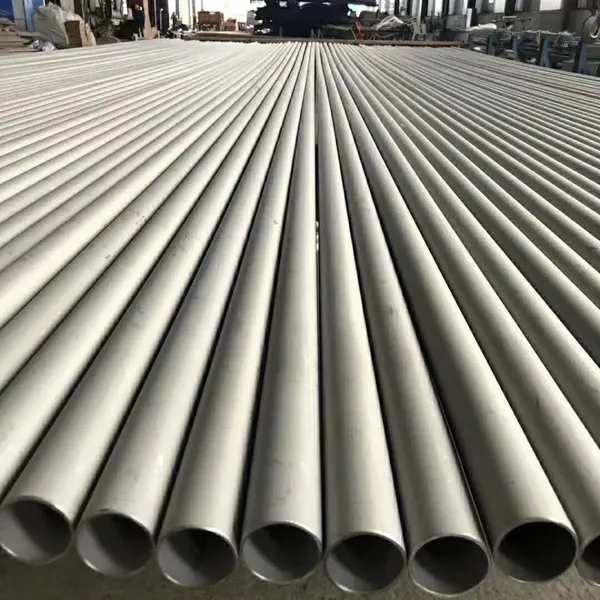 Read More
 -
Three types of commonly available food-grade stainless steel on the market
January 20, 2026The common food-grade stainless steel pipes are mainly composed of iron, chromium and carbon and other elements. Household stainle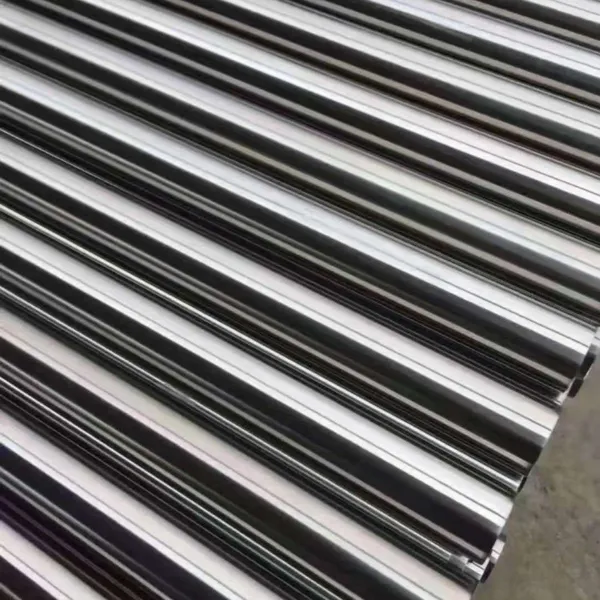 Read More
 -
What are the requirements for stainless steel welding pipe production equipment
January 20, 2026As is well known, stainless steel welded pipes have been widely used in various industries such as machinery, chemical engineering Read More

Contact Us
Recommended Products
-
 Stainless Steel Elbow Welded Elbow 45/90/180-degree Seamless Pressed Elbow Long Radius Elbow Short Radius Elbow WholesaleNegotiableMOQ: 1 Piece
 -
316L/1.4405 Seamless Stainless Steel PipeNegotiableMOQ: 2 Meters
-
310s 440 Seamless Sanitary Piping Price 321 904l 201 20 Inch Seamless Steel Pipe A554 Stainless Steel PipeNegotiableMOQ: 1 Piece
-
China Brand ZZ Wholesale 304L 316 316L Welded Austenitic Piping Stainless Steel Pipe SupplierNegotiableMOQ: 2 Meters
-
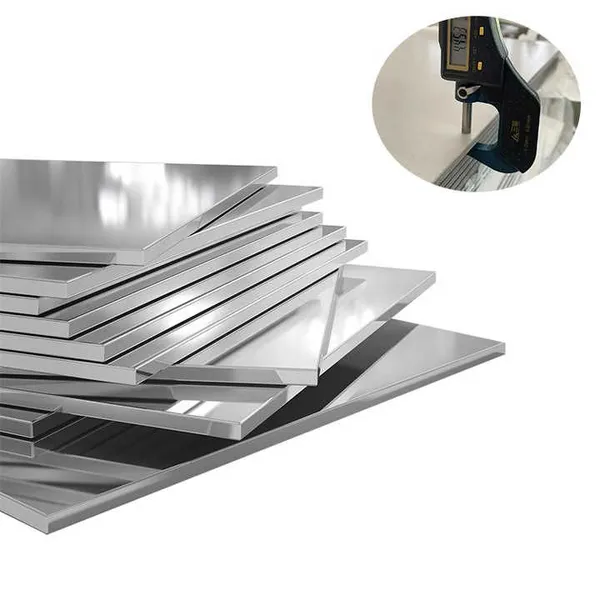
304/304L/316/409/410/904L/2205/2507/310H Premium Stainless Steel Sheets Supplier Custom Sizes & FinishesUS$ 1.72MOQ: 1 Ton
-
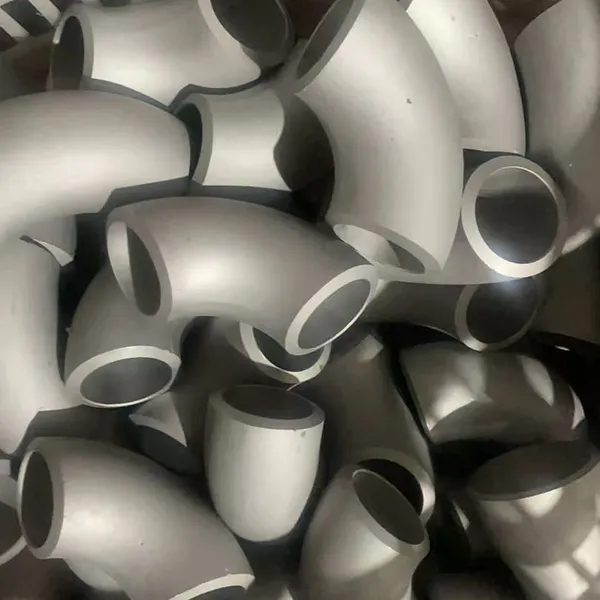
Stainless Steel ASME B16.9 Sch 45 90 Degree Pipe Fittings ElbowUS$ 8MOQ: 1 Piece
-
China Brand Zz 304L 316/316L GB En JIS Standard Thin Wall Welded Stainless Steel Water Pipe/TubeNegotiableMOQ: 2 Meters
-
BA 4 Inch 6 Inch 8 Inch 201 304 304L 316 316L Welded Seamless Stainless Steel PipeNegotiableMOQ: 2 Meters
-
ASME B36.19M-2004 SCH40S Stainless Steel Pipe - Complies With EU 3.1 CertificationUS$ 1 - 650MOQ: 1 Piece
-
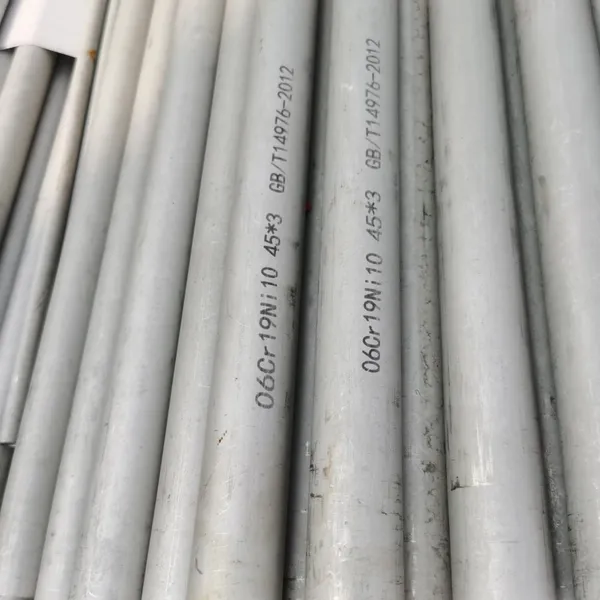
Factory TP309/TP309S/TP309H (UNS30900) Seamless Stainless Steel Pipe and Tube for Boiler BafflesUS$ 8MOQ: 200 Kilograms
-
TP347/TP347H/1.4961/S34709 Seamless Stainless Steel Pipe for UseNegotiableMOQ: 2 Meters
-
China 304 316 Stainless Steel Sanitary Welded Tube Food Grade Sanitary Grade Welded Pipe PolishingNegotiableMOQ: 1 Piece
-
China Manufacture Stainless Steel 316L Ba Seamless Welded Steel Pipe TubesUS$ 1760 - 1860MOQ: 5 Tons
-
316L/1.4405 Seamless Stainless Steel PipeNegotiableMOQ: 2 Meters
-
Stainless Steel Globe Valve – High Durability & Corrosion ResistanceNegotiableMOQ: 1 Piece
-
1.4529 Stainless Steel Flat Plate for Chemical Processing EquipmentUS$ 25 - 35MOQ: 1 Kilogram
-
Color Coated Steel Panels for Warehouse Partition Walls (Fireproof Grade)US$ 1 - 1.2MOQ: 50 Kilograms
-
Custom Width (600mm-1250mm) Colored Steel Coil With Scratch ResistanceUS$ 1 - 1.2MOQ: 50 Kilograms
-
0.5mm-3.0mm Colored Coated Steel Sheet With PVDF/Polyester CoatingUS$ 1 - 1.2MOQ: 50 Kilograms
-
JIS G 3322 Compliant Colored Coils With Third-Party Inspection ReportUS$ 1 - 1.2MOQ: 50 Kilograms