
 Business License

Why are food-grade stainless steel pipe fittings favored by the dairy industry
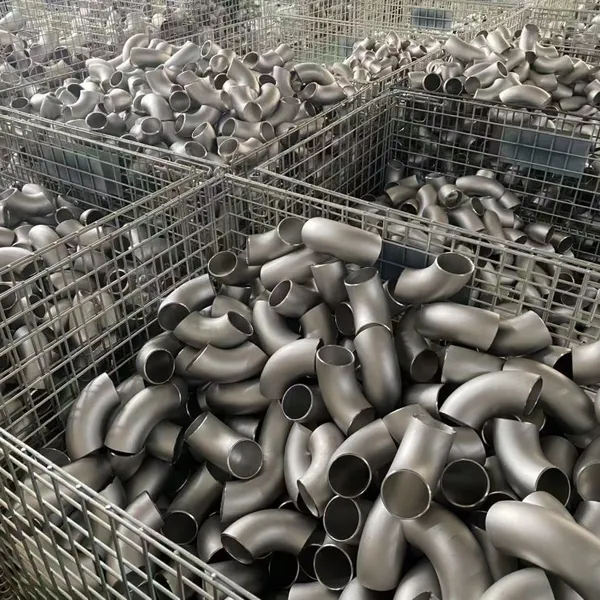
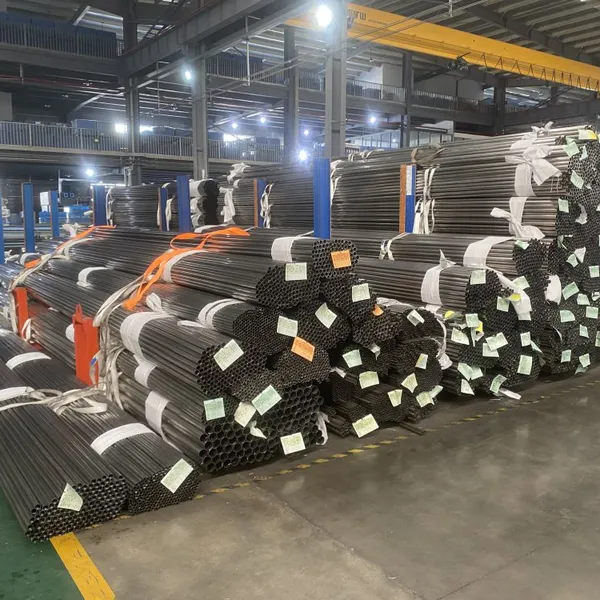
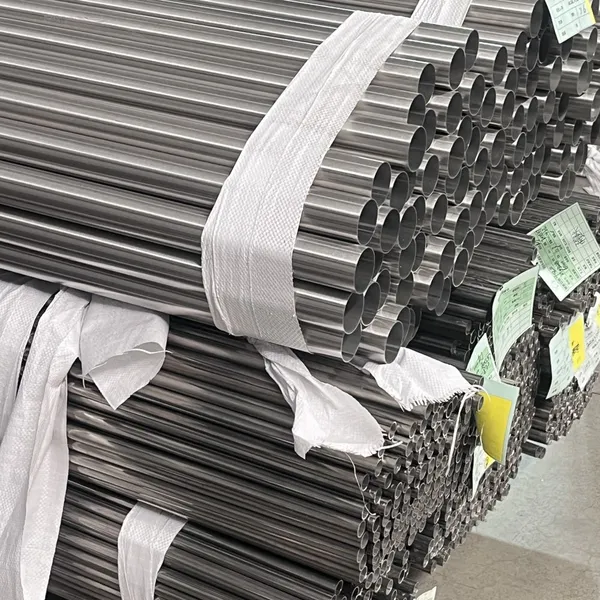
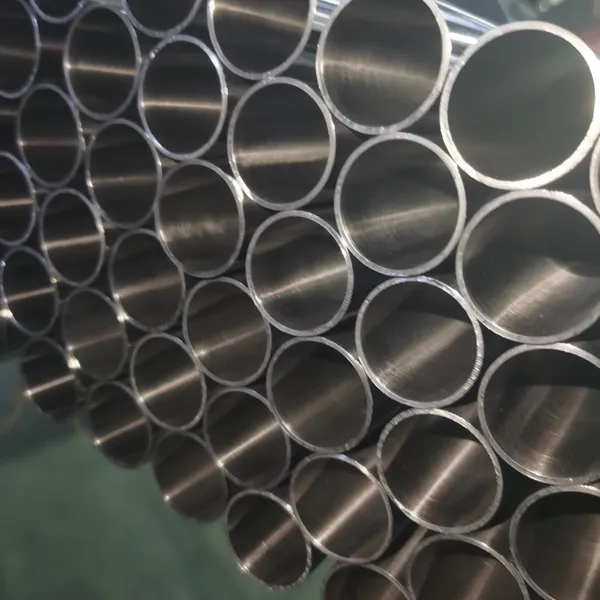
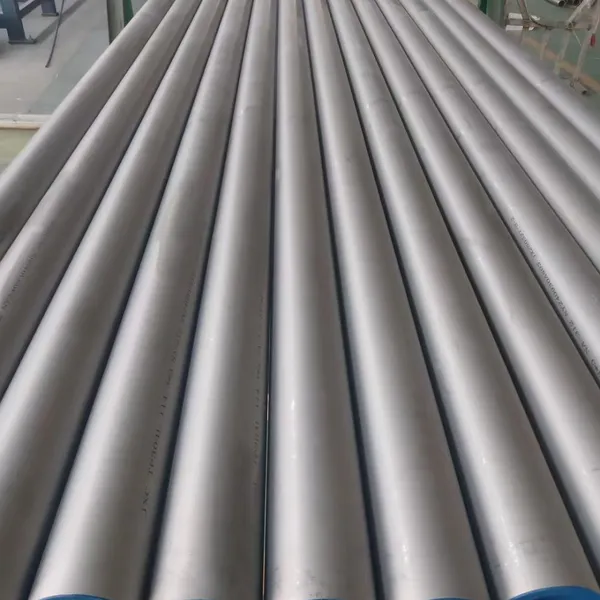
Food-grade stainless steel pipe fittings are used in dairy cow milking equipment, the pipelines through which milk is transported to some large milk tanks, and the 18,000-liter large milk tanks themselves. Moreover, washing containers must also be made of stainless steel. The plate-type cooler is made of stainless steel, which lowers the milk temperature to 15°C before the milk can enter the tanks for further cooling. Even the storage tanks on the carts used to collect milk are made of stainless steel, not to mention those transportation equipment.
Among the food-grade pipe fittings, except for the rubber gaskets, all the parts in contact with milk are made of stainless steel. The stainless steel must be corrosion-resistant. This is not only considering the milk itself, but also taking into account factors such as the cleaning chemicals and local water quality, and the water quality varies from place to place.
Food-grade stainless steel pipes transport the milk from the tanker to the cooler. The cooler cools the milk to below 4℃, and then it is sent to storage tanks with a capacity ranging from 100,000 to 250,000 liters.
Then, it is transported through pipelines to the milk separator. At a temperature of 50 to 65 degrees Celsius, the cream and skimmed milk are separated. The oil-resistant substances in the milk are homogenized to prevent them from being separated out after mixing. The milk is sterilized at 72 to 75 degrees Celsius, and the remaining cream is treated in the same way. Then it is cooled to 2 to 4 degrees Celsius. After that, it enters the finished milk storage silo with a volume of 15,000 to 60,000 liters.
The many characteristics of food-grade stainless steel pipe fittings make them indispensable for today's dairy farmers. The main advantage is their cleanliness. By simply washing the equipment with hot water once a day, stainless steel is an ideal material.
Nickel in the crystal structure of stainless steel is a metallurgical combination. The surface chromium oxide layer visible under a microscope can prevent corrosion from occurring. In fact, during the production, storage, or distribution of milk, the nickel in stainless steel does not transfer to the milk, and it is safe and reliable to use.
Recently Posted
-
Does the stainless steel welded pipe have specific temperature requirements during the solution heat
January 20, 2026Solution heat treatment involves heating stainless steel to a high temperature and then rapidly cooling it to achieve an oversatur Read More
 -
Can stainless steel welded pipes be made into thick pipes
January 20, 2026With the improvement of high-quality welding technology and increasingly strict weld inspection, the application fields of s Read More
 -
Three types of commonly available food-grade stainless steel on the market
January 20, 2026The common food-grade stainless steel pipes are mainly composed of iron, chromium and carbon and other elements. Household stainle Read More
 -
What are the requirements for stainless steel welding pipe production equipment
January 20, 2026As is well known, stainless steel welded pipes have been widely used in various industries such as machinery, chemical engineering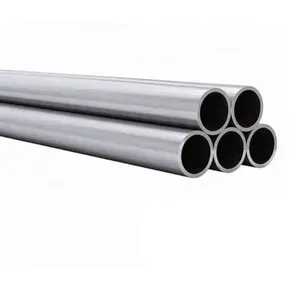 Read More

Contact Us
Recommended Products
-
 Stainless Steel Elbow Welded Elbow 45/90/180-degree Seamless Pressed Elbow Long Radius Elbow Short Radius Elbow WholesaleNegotiableMOQ: 1 Piece
 -
316L/1.4405 Seamless Stainless Steel PipeNegotiableMOQ: 2 Meters
-
310s 440 Seamless Sanitary Piping Price 321 904l 201 20 Inch Seamless Steel Pipe A554 Stainless Steel PipeNegotiableMOQ: 1 Piece
-
China Brand ZZ Wholesale 304L 316 316L Welded Austenitic Piping Stainless Steel Pipe SupplierNegotiableMOQ: 2 Meters
-
304/304L/316/409/410/904L/2205/2507/310H Premium Stainless Steel Sheets Supplier Custom Sizes & FinishesUS$ 1.72MOQ: 1 Ton
-
Stainless Steel ASME B16.9 Sch 45 90 Degree Pipe Fittings ElbowUS$ 8MOQ: 1 Piece
-
China Brand Zz 304L 316/316L GB En JIS Standard Thin Wall Welded Stainless Steel Water Pipe/TubeNegotiableMOQ: 2 Meters
-
BA 4 Inch 6 Inch 8 Inch 201 304 304L 316 316L Welded Seamless Stainless Steel PipeNegotiableMOQ: 2 Meters
-
ASME B36.19M-2004 SCH40S Stainless Steel Pipe - Complies With EU 3.1 CertificationUS$ 1 - 650MOQ: 1 Piece
-
Factory TP309/TP309S/TP309H (UNS30900) Seamless Stainless Steel Pipe and Tube for Boiler BafflesUS$ 8MOQ: 200 Kilograms
-
TP347/TP347H/1.4961/S34709 Seamless Stainless Steel Pipe for UseNegotiableMOQ: 2 Meters
-
China 304 316 Stainless Steel Sanitary Welded Tube Food Grade Sanitary Grade Welded Pipe PolishingNegotiableMOQ: 1 Piece
-
China Manufacture Stainless Steel 316L Ba Seamless Welded Steel Pipe TubesUS$ 1760 - 1860MOQ: 5 Tons
-
316L/1.4405 Seamless Stainless Steel PipeNegotiableMOQ: 2 Meters
-
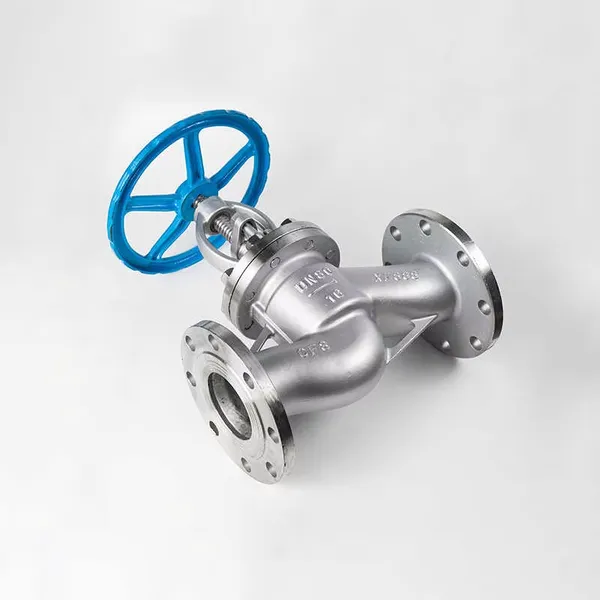
Stainless Steel Globe Valve – High Durability & Corrosion ResistanceNegotiableMOQ: 1 Piece
-
1.4529 Stainless Steel Flat Plate for Chemical Processing EquipmentUS$ 25 - 35MOQ: 1 Kilogram
-
Color Coated Steel Panels for Warehouse Partition Walls (Fireproof Grade)US$ 1 - 1.2MOQ: 50 Kilograms
-
Custom Width (600mm-1250mm) Colored Steel Coil With Scratch ResistanceUS$ 1 - 1.2MOQ: 50 Kilograms
-
0.5mm-3.0mm Colored Coated Steel Sheet With PVDF/Polyester CoatingUS$ 1 - 1.2MOQ: 50 Kilograms
-
JIS G 3322 Compliant Colored Coils With Third-Party Inspection ReportUS$ 1 - 1.2MOQ: 50 Kilograms