
 Business License

The production process of large-diameter stainless steel pipes
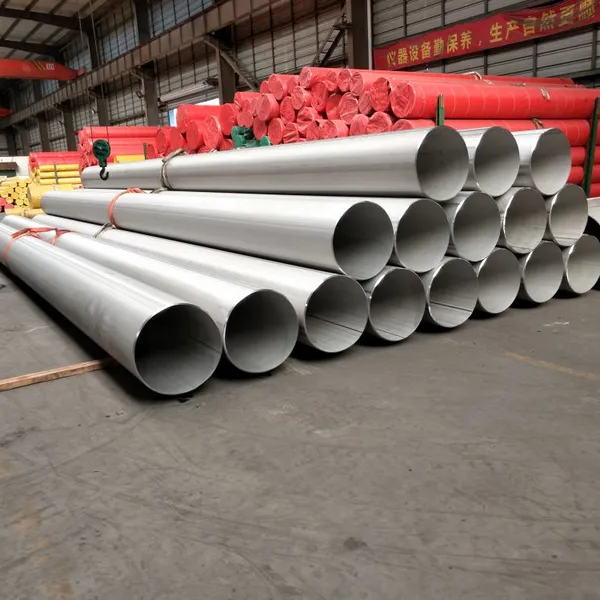
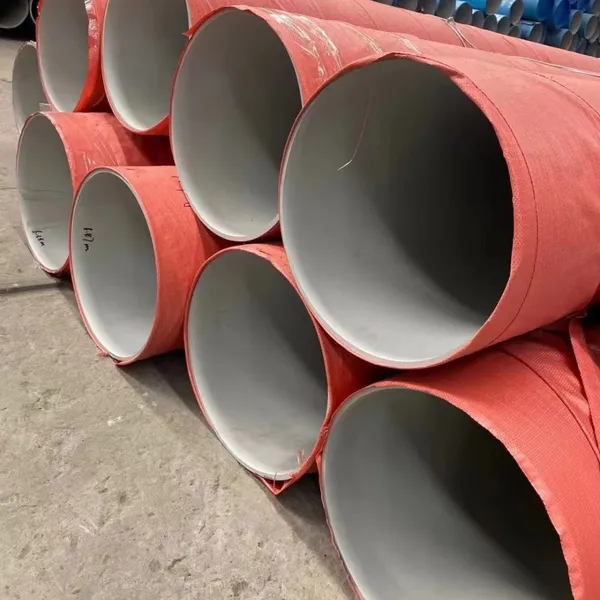
Large-diameter stainless steel pipes are increasingly favored by manufacturing industries such as petrochemicals, coal slurry transportation, and steel structure construction due to their advantages such as high pressure-bearing capacity, low friction resistance, cold resistance, corrosion resistance, and convenient installation and maintenance.
The key production process of large-diameter stainless steel pipes is as follows:
1. Plate Inspection: After the thick steel plates used in the production of large-diameter steel pipes enter the production line, the first step is to conduct full-board ultrasonic testing.
2. Edge Milling: Using the edge milling machine, two sides of the thick steel plate are cut to achieve the specified plate width, edge flatness, and weld shape.
3. Pre-bending Edge: Use a pre-bending machine to perform pre-bending on the edge of the sheet, ensuring that the edge of the sheet has the required refractive index.
4. Forming: On the JCO forming machine, the first step is to use a stepper motor press mold to repeatedly shape the half of the pre-bent thick steel plate into a "J" shape. Then, the other half of the thick steel plate is bent and shaped into a "C" shape, resulting in an open "O" shape in the end.
5. Pre-welding: Ensure the formed steel pipes are joined together and then conduct continuous welding using gas shielded welding (MAG).
6. Internal welding: Use longitudinal multi-wire submerged arc welding (with a maximum of four wires) to conduct welding on the inner side of the straight seam steel pipe.
7. External welding: Use longitudinal multi-wire submerged arc welding to conduct welding on both sides of the straight seam submerged arc welded steel pipe.
8. Ultrasonic Testing I: Conduct 100% inspection on the internal and external welds of the straight seam welded steel pipe, as well as the welds on both sides of the welds.
9. X-ray Inspection I: Conduct 100% X-ray industrial television inspections on both internal and external welds, using an image processing system to ensure the sensitivity of the inspection.
10. Diameter Expansion: Perform diameter expansion along the entire length of the submerged arc welded straight seam steel pipe to enhance the precision of the pipe's specifications and improve the distribution of the pipe's thermal stress.
11. Pressure test: On the water pressure testing machine, each expanded steel pipe is inspected one by one to ensure that the steel pipes meet the experimental working pressure requirements stipulated by the standards. This equipment has the function of automatically saving and storing data.
12. Flanging: After the steel pipes have passed the inspection, the pipe ends shall be processed for production, ensuring the specified specifications of the pipe end welds.
13. Ultrasonic Testing II: Conduct ultrasonic testing on each pipe one by one again to detect potential defects that may occur in the straight seam welded steel pipe during expansion and under pressure;
14. X-ray Inspection II: Conduct regular X-ray industrial television inspections of the pipe ends after the expansion and pressure test to take pictures of the welding.
15. Magnetic particle inspection at pipe ends: Conduct this inspection to detect defects at the pipe ends.
16. Anti-corrosion and coating: After meeting the standards, the steel pipes will undergo anti-corrosion treatment and coating according to the customer's requirements.
Recently Posted
-
Does the stainless steel welded pipe have specific temperature requirements during the solution heat
January 20, 2026Solution heat treatment involves heating stainless steel to a high temperature and then rapidly cooling it to achieve an oversatur Read More
 -
Can stainless steel welded pipes be made into thick pipes
January 20, 2026With the improvement of high-quality welding technology and increasingly strict weld inspection, the application fields of s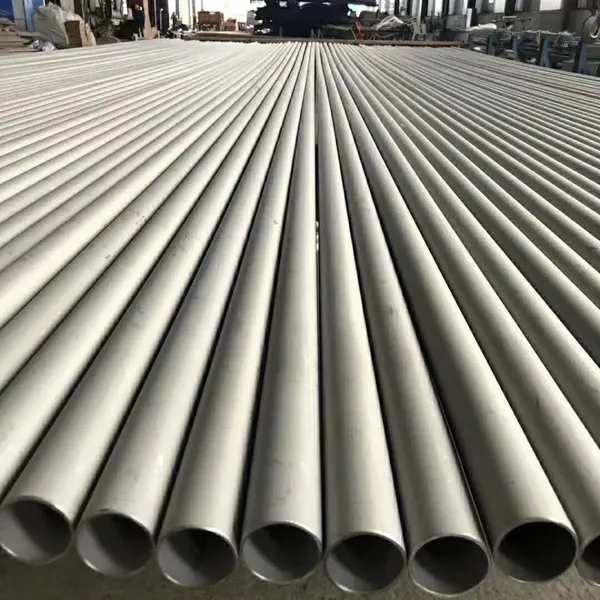 Read More
 -
Three types of commonly available food-grade stainless steel on the market
January 20, 2026The common food-grade stainless steel pipes are mainly composed of iron, chromium and carbon and other elements. Household stainle Read More
 -
What are the requirements for stainless steel welding pipe production equipment
January 20, 2026As is well known, stainless steel welded pipes have been widely used in various industries such as machinery, chemical engineering Read More

Contact Us
Recommended Products
-
 Stainless Steel Elbow Welded Elbow 45/90/180-degree Seamless Pressed Elbow Long Radius Elbow Short Radius Elbow WholesaleNegotiableMOQ: 1 Piece
 -
316L/1.4405 Seamless Stainless Steel PipeNegotiableMOQ: 2 Meters
-
310s 440 Seamless Sanitary Piping Price 321 904l 201 20 Inch Seamless Steel Pipe A554 Stainless Steel PipeNegotiableMOQ: 1 Piece
-
China Brand ZZ Wholesale 304L 316 316L Welded Austenitic Piping Stainless Steel Pipe SupplierNegotiableMOQ: 2 Meters
-
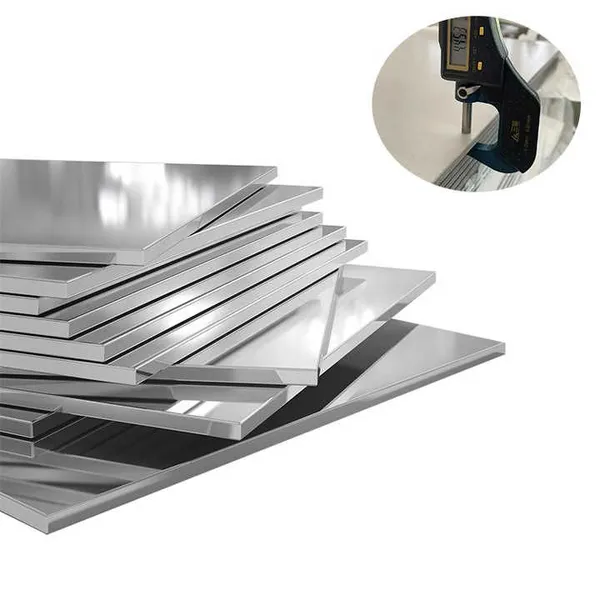
304/304L/316/409/410/904L/2205/2507/310H Premium Stainless Steel Sheets Supplier Custom Sizes & FinishesUS$ 1.72MOQ: 1 Ton
-
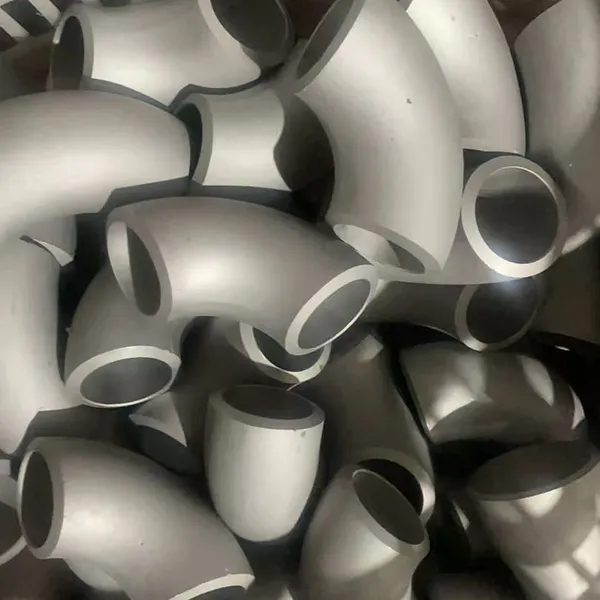
Stainless Steel ASME B16.9 Sch 45 90 Degree Pipe Fittings ElbowUS$ 8MOQ: 1 Piece
-
China Brand Zz 304L 316/316L GB En JIS Standard Thin Wall Welded Stainless Steel Water Pipe/TubeNegotiableMOQ: 2 Meters
-
BA 4 Inch 6 Inch 8 Inch 201 304 304L 316 316L Welded Seamless Stainless Steel PipeNegotiableMOQ: 2 Meters
-
ASME B36.19M-2004 SCH40S Stainless Steel Pipe - Complies With EU 3.1 CertificationUS$ 1 - 650MOQ: 1 Piece
-
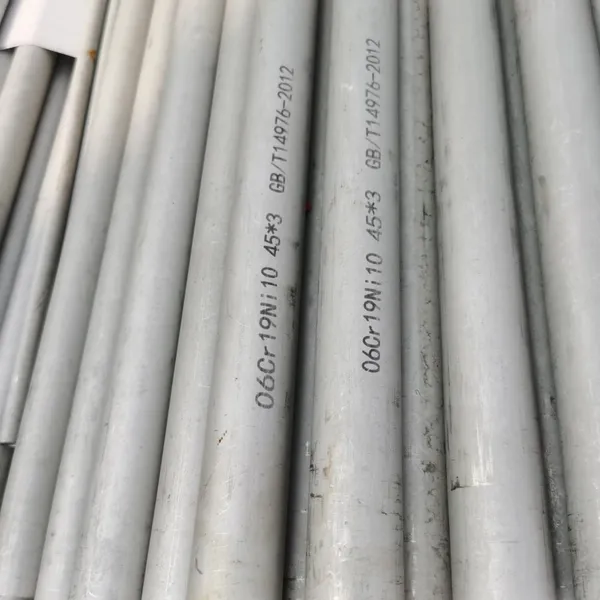
Factory TP309/TP309S/TP309H (UNS30900) Seamless Stainless Steel Pipe and Tube for Boiler BafflesUS$ 8MOQ: 200 Kilograms
-
TP347/TP347H/1.4961/S34709 Seamless Stainless Steel Pipe for UseNegotiableMOQ: 2 Meters
-
China 304 316 Stainless Steel Sanitary Welded Tube Food Grade Sanitary Grade Welded Pipe PolishingNegotiableMOQ: 1 Piece
-
China Manufacture Stainless Steel 316L Ba Seamless Welded Steel Pipe TubesUS$ 1760 - 1860MOQ: 5 Tons
-
316L/1.4405 Seamless Stainless Steel PipeNegotiableMOQ: 2 Meters
-
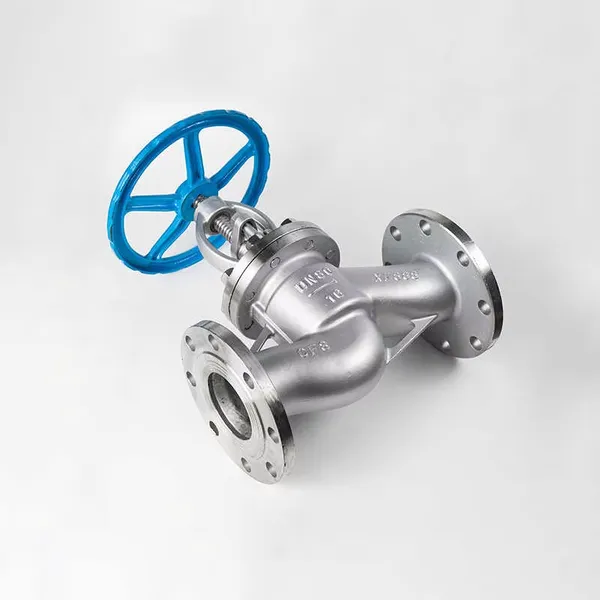
Stainless Steel Globe Valve – High Durability & Corrosion ResistanceNegotiableMOQ: 1 Piece
-
1.4529 Stainless Steel Flat Plate for Chemical Processing EquipmentUS$ 25 - 35MOQ: 1 Kilogram
-
Color Coated Steel Panels for Warehouse Partition Walls (Fireproof Grade)US$ 1 - 1.2MOQ: 50 Kilograms
-
Custom Width (600mm-1250mm) Colored Steel Coil With Scratch ResistanceUS$ 1 - 1.2MOQ: 50 Kilograms
-
0.5mm-3.0mm Colored Coated Steel Sheet With PVDF/Polyester CoatingUS$ 1 - 1.2MOQ: 50 Kilograms
-
JIS G 3322 Compliant Colored Coils With Third-Party Inspection ReportUS$ 1 - 1.2MOQ: 50 Kilograms