
 Business License

What details should be paid attention to in argon arc welding
1. How Much Do You Know About Argon Arc Welding?
Argon arc welding is a welding technique based on the principle of ordinary arc welding. It uses argon gas to protect the metal welding materials, and through high current, melts the welding materials onto the welding base material to form a molten pool, achieving metallurgical bonding between the welded metal and the welding material. Due to the continuous supply of argon gas during the high-temperature melting welding process, the welding materials do not come into contact with oxygen in the air, thus preventing the oxidation of the welding materials.
Argon arc welding, as a common welding method, is widely used in various industries. However, to ensure the welding effect and safety, there are several details that we must pay attention to during the operation.
II. Types and Polarities of Power Supply
The power supply for manual tungsten inert gas welding can be either direct current or alternating current. The direct current has positive connection and negative connection methods.
1. Direct Current Positive Connection Method: The workpiece is connected to the positive pole, and the tungsten electrode is connected to the negative pole. During welding, electrons rush towards the workpiece at high speed, resulting in high welding temperature and a deep but narrow molten pool. Positive ions rush towards the tungsten electrode, and the tungsten electrode experiences low heat loss. This method is suitable for welding metals such as heat-resistant steel, alloy steel, stainless steel, copper, titanium, etc.
2. Direct Current Reverse Connection Method: The workpiece is connected to the negative terminal, and the tungsten electrode is connected to the positive terminal. During welding, electrons rush towards the tungsten electrode at high speed. The tungsten electrode generates a lot of heat and is consumed quickly, so this method is generally not used. It is used for welding aluminum, magnesium and their alloys with high melting point oxide films.
3. The alternating current power supply, due to its polarity alternation, has both the "cathode atomization" effect and the advantage of less tungsten electrode consumption compared to the direct current reverse connection method. It is suitable for welding aluminum, magnesium and their alloys.
III. Selection of Nozzles
The size and shape of the nozzle directly affect the protection range and effect of the argon gas shielded area. Commonly used nozzles include No. 6, No. 7, No. 8, and No. 10. The diameter of the nozzle should not be too large, as it may hinder operation and waste argon gas; but it should also not be too small, otherwise the molten pool protection will be poor, defects may occur easily, and the nozzle may be burned. For example, for 50 small tubes, both No. 6 and No. 7 nozzles can be used for bottoming and covering the surface, and No. 6 nozzle can be used for bottoming and No. 8 or No. 10 for covering the surface.
According to different welding materials, we need to choose different types of electrodes. For example, for metals that are prone to oxidation such as aluminum alloys, we usually choose electrodes containing activators to break the oxide film and ensure the welding effect. At the same time, the selection of electrode diameter will also directly affect the size of the welding current, thereby affecting the shape of the weld and the welding effect. Therefore, it is necessary to make a reasonable choice according to the actual situation.
Due to the high sensitivity of argon arc welding to the environment, it is necessary to try to provide a dust-free and windless environment. In addition, high humidity may also affect the welding effect, so it is necessary to carry out welding in a dry environment.
IV. Flow rate of argon gas and selection principles
During manual tungsten inert gas welding, the flow rate of argon gas is generally 5 to 10 liters per minute. The flow rate of argon gas should vary depending on the environment. If it is indoors, the flow rate can be lower, at 5-7 liters per minute. When outdoors and there is wind, the flow rate should be higher, at 7-10 liters per minute, and protective measures should be taken to prevent air from entering the molten pool and causing pores. The scale on the flow meter in the argon gas gauge indicates 1 MP for each mark. One mark represents an argon gas flow rate of 1 liter per minute. The scale indicated by the float ball represents the flow value and the rotation direction of the switch: clockwise rotation means closed, and counterclockwise rotation means open. It is important to note that to ensure the purity of argon gas, when the pressure inside the argon gas cylinder is 0.5 MPa, it should be replaced instead of being used up completely.
In addition, the purity of argon gas needs to be paid attention to. As a protective gas, the purity of argon gas directly affects the quality of the weld. If the argon gas is not pure, it may cause weld oxidation and other quality problems. Therefore, when choosing an argon gas supplier, it is necessary to select a supplier with good reputation and stable product quality, and perform argon gas purity testing before use.
V. Gas Testing Method Before Welding
If the connection between the argon gas belt and the argon gas meter, or the argon arc handle is leaking, if the argon arc handle belt is damaged, the tungsten electrode is eccentric or the inner part is bulging, or if the argon gas flow is too large or too small, the purity of the argon gas will be lower than 99.99%. This will increase the probability of gas pores and reduce the qualification rate of the weld joint. Therefore, gas testing must be conducted before welding.
When testing the purity of the gas for the test, find a thick scrap steel plate and grind out a part that shows metallic luster.
Step 1: Self-melting the grinding area.
Step 2: Filling the self-melting part with welding wire for welding.
Step 3: Self-melting the weld seam surface.
Step 4: Filling the self-melting part with welding wire for welding.
Step 5: Conducting another layer of filling welding on the surface of the upper weld seam. If the argon gas is not pure or some parts are leaking, gas testing will result in gas pores. Self-melting means melting the base material or the weld seam surface, but no welding wire needs to be filled.
Welding current, voltage, and welding speed are the key factors determining the welding effect. If the current is too large, it may cause the weld to overheat and even burn through; while if the current is too small, it may result in incomplete fusion, affecting the mechanical properties of the weld seam. Therefore, before welding, the current and voltage should be reasonably set according to the properties and thickness of the welding material, as well as the type of electrode. At the same time, the welding speed also needs to be controlled properly, as too fast or too slow will affect the formation and quality of the weld seam.
VI. Selection and Maintenance of Tungsten Electrodes
The non-consumable electrodes used in argon arc welding are usually made of pure tungsten or thoriated tungsten alloys. The correct selection of the tungsten electrode diameter plays a crucial role in ensuring the stability of the arc and improving the fluidity of the molten pool. At the same time, keeping the tip of the tungsten electrode clean and avoiding the contamination of the weld by burned-off metal is also a key to ensuring the welding quality.
Another point to note is the post-welding treatment. After argon arc welding is completed, the weld seam should be cleaned to remove the surface slag and oxide film, and then necessary inspections and tests should be carried out, such as non-destructive testing and mechanical property tests, to ensure that the weld seam quality meets the expected standards.
Recently Posted
-
Does the stainless steel welded pipe have specific temperature requirements during the solution heat
January 20, 2026Solution heat treatment involves heating stainless steel to a high temperature and then rapidly cooling it to achieve an oversatur Read More
 -
Can stainless steel welded pipes be made into thick pipes
January 20, 2026With the improvement of high-quality welding technology and increasingly strict weld inspection, the application fields of s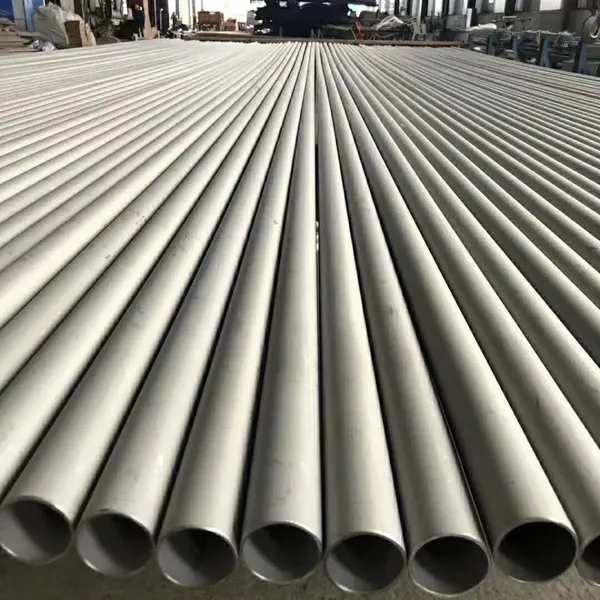 Read More
 -
Three types of commonly available food-grade stainless steel on the market
January 20, 2026The common food-grade stainless steel pipes are mainly composed of iron, chromium and carbon and other elements. Household stainle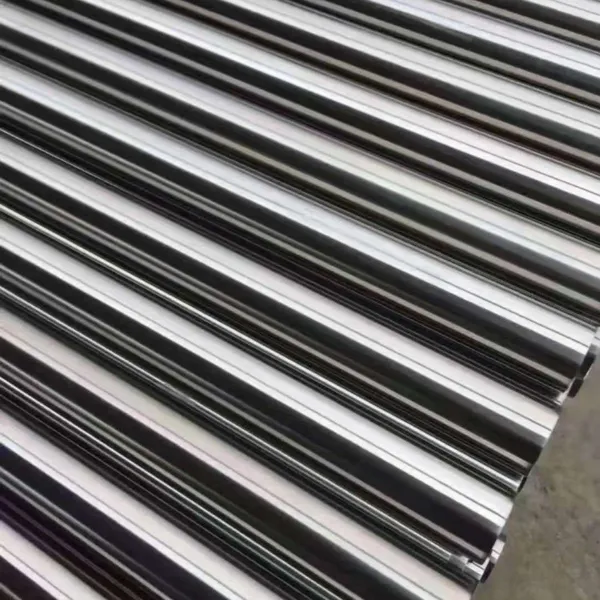 Read More
 -
What are the requirements for stainless steel welding pipe production equipment
January 20, 2026As is well known, stainless steel welded pipes have been widely used in various industries such as machinery, chemical engineering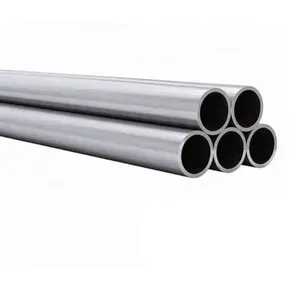 Read More

Contact Us
Recommended Products
-
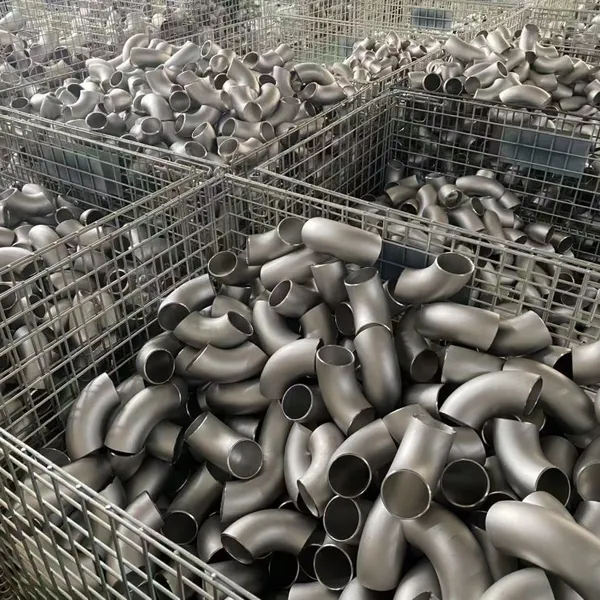
 Stainless Steel Elbow Welded Elbow 45/90/180-degree Seamless Pressed Elbow Long Radius Elbow Short Radius Elbow WholesaleNegotiableMOQ: 1 Piece
 -
316L/1.4405 Seamless Stainless Steel PipeNegotiableMOQ: 2 Meters
-
310s 440 Seamless Sanitary Piping Price 321 904l 201 20 Inch Seamless Steel Pipe A554 Stainless Steel PipeNegotiableMOQ: 1 Piece
-
China Brand ZZ Wholesale 304L 316 316L Welded Austenitic Piping Stainless Steel Pipe SupplierNegotiableMOQ: 2 Meters
-
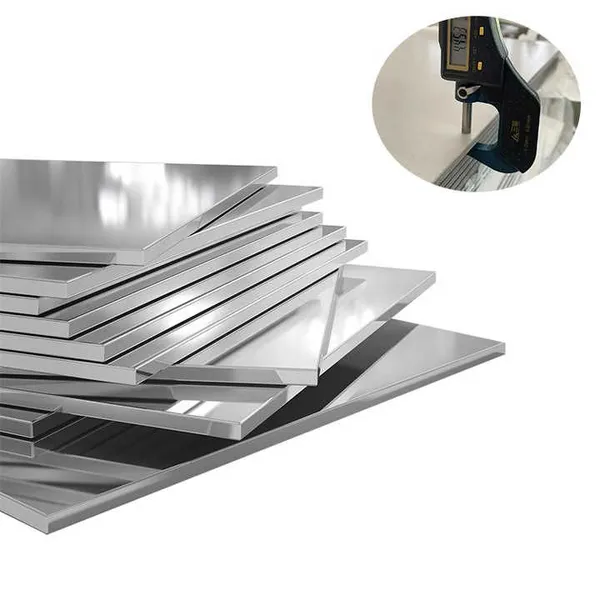
304/304L/316/409/410/904L/2205/2507/310H Premium Stainless Steel Sheets Supplier Custom Sizes & FinishesUS$ 1.72MOQ: 1 Ton
-
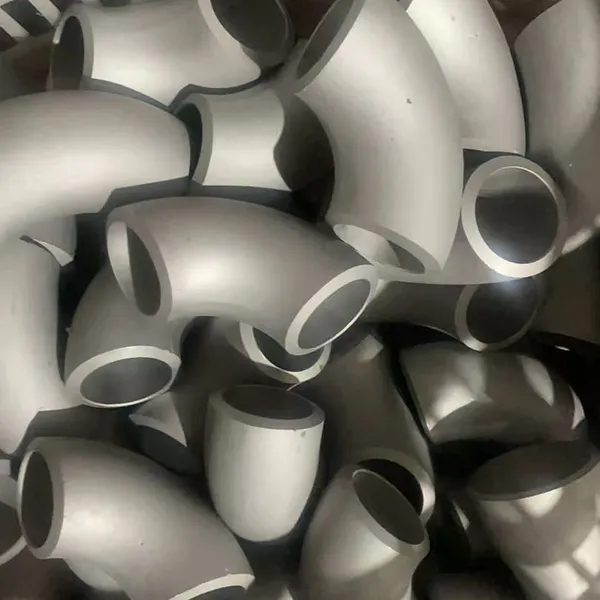
Stainless Steel ASME B16.9 Sch 45 90 Degree Pipe Fittings ElbowUS$ 8MOQ: 1 Piece
-
China Brand Zz 304L 316/316L GB En JIS Standard Thin Wall Welded Stainless Steel Water Pipe/TubeNegotiableMOQ: 2 Meters
-
BA 4 Inch 6 Inch 8 Inch 201 304 304L 316 316L Welded Seamless Stainless Steel PipeNegotiableMOQ: 2 Meters
-
ASME B36.19M-2004 SCH40S Stainless Steel Pipe - Complies With EU 3.1 CertificationUS$ 1 - 650MOQ: 1 Piece
-
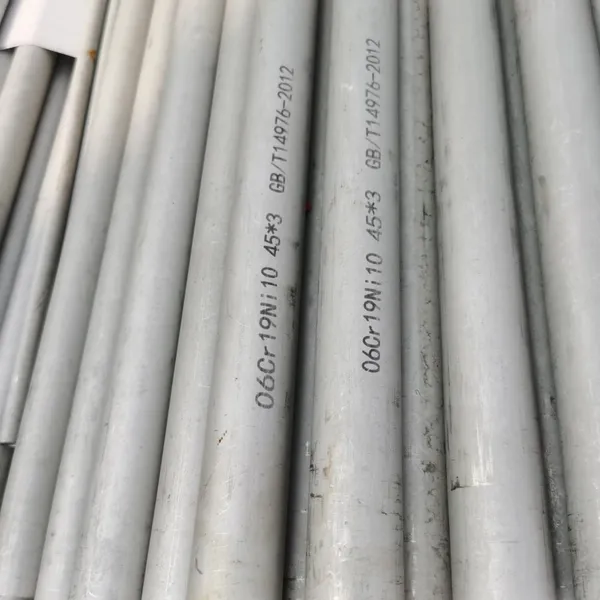
Factory TP309/TP309S/TP309H (UNS30900) Seamless Stainless Steel Pipe and Tube for Boiler BafflesUS$ 8MOQ: 200 Kilograms
-
TP347/TP347H/1.4961/S34709 Seamless Stainless Steel Pipe for UseNegotiableMOQ: 2 Meters
-
China 304 316 Stainless Steel Sanitary Welded Tube Food Grade Sanitary Grade Welded Pipe PolishingNegotiableMOQ: 1 Piece
-
China Manufacture Stainless Steel 316L Ba Seamless Welded Steel Pipe TubesUS$ 1760 - 1860MOQ: 5 Tons
-
316L/1.4405 Seamless Stainless Steel PipeNegotiableMOQ: 2 Meters
-
Stainless Steel Globe Valve – High Durability & Corrosion ResistanceNegotiableMOQ: 1 Piece
-
1.4529 Stainless Steel Flat Plate for Chemical Processing EquipmentUS$ 25 - 35MOQ: 1 Kilogram
-
Color Coated Steel Panels for Warehouse Partition Walls (Fireproof Grade)US$ 1 - 1.2MOQ: 50 Kilograms
-
Custom Width (600mm-1250mm) Colored Steel Coil With Scratch ResistanceUS$ 1 - 1.2MOQ: 50 Kilograms
-
0.5mm-3.0mm Colored Coated Steel Sheet With PVDF/Polyester CoatingUS$ 1 - 1.2MOQ: 50 Kilograms
-
JIS G 3322 Compliant Colored Coils With Third-Party Inspection ReportUS$ 1 - 1.2MOQ: 50 Kilograms