
 Business License

How to make holes in small-diameter precision stainless steel tubes
1. Drilling with a electric drill
There is a type of adjustable-speed electric drill that can be used for drilling. However, stainless steel has high toughness and is prone to sticking to the drill bit, so the drill bit needs to be of high hardness, with good surface finish, and the apex angle of the drill bit should be larger (between 130 - 135 degrees), and attention should be paid to aspects such as adequate cooling. It is best to use a carbide drill bit for drilling, as it is much more efficient than using an ordinary high-speed steel drill bit.
2. Manual Punching
Before starting the punching process, secure the machine on the workbench as per the requirements, gently rotate the machine's wheel and carefully inspect the working condition of all its components. Check if there are any debris at the position where the punch head meets the lower mold, and promptly clean it. Then, add lubricant at the contact point between the machine's guide sleeve and the top of the mold base. Place the small-diameter precision stainless steel tube according to the positioning requirements, and then forcefully rotate the manual wheel counterclockwise to complete the punching. After the punching is completed, stop rotating the wheel with your left hand, and gently pull out the already punched precision stainless steel tube from the inside out with your right hand. Repeat this process for subsequent operations.
3. Hydraulic Punching
Before punching, connect the oil pump and the working head with a quick connector. Select the appropriate upper and lower dies, install the upper die first, then install the lower die. When installing the upper die, first unscrew the positioning screw to a certain position before inserting it into the lower die. Make sure it is placed correctly, then tighten the positioning screw. Once the operation is completed, loosen the oil pump return oil screw. When placing the small-diameter precision stainless steel pipe, close the oil pump return oil screw, turn on the hand lever, and continue until the operation is completed before releasing the return oil screw. It should be noted that when punching thinner stainless steel pipes, the return material pad must be inserted between the return material bracket and the pipe material; otherwise, it may get stuck on the die.
4. Automatic Punching
First, the precision stainless steel capillary tube is moved to the scanning area of the machine camera. After the camera scans the image, it processes the information and sends a signal to the control part. The control part receives the signal and further processes it to control the moving part to perform actions, causing the punch head to move on the plane along the X-axis and Y-axis. After the positioning action is completed, the pneumatic part starts to work. The solenoid valve controls the cylinder to perform the punching action. The machine prints the positioning holes. The entire process is seamless, fast, accurate, and highly efficient.
Recently Posted
-
Does the stainless steel welded pipe have specific temperature requirements during the solution heat
January 20, 2026Solution heat treatment involves heating stainless steel to a high temperature and then rapidly cooling it to achieve an oversatur Read More
 -
Can stainless steel welded pipes be made into thick pipes
January 20, 2026With the improvement of high-quality welding technology and increasingly strict weld inspection, the application fields of s Read More
 -
Three types of commonly available food-grade stainless steel on the market
January 20, 2026The common food-grade stainless steel pipes are mainly composed of iron, chromium and carbon and other elements. Household stainle Read More
 -
What are the requirements for stainless steel welding pipe production equipment
January 20, 2026As is well known, stainless steel welded pipes have been widely used in various industries such as machinery, chemical engineering Read More

Contact Us
Recommended Products
-
 Stainless Steel Elbow Welded Elbow 45/90/180-degree Seamless Pressed Elbow Long Radius Elbow Short Radius Elbow WholesaleNegotiableMOQ: 1 Piece
 -
316L/1.4405 Seamless Stainless Steel PipeNegotiableMOQ: 2 Meters
-
310s 440 Seamless Sanitary Piping Price 321 904l 201 20 Inch Seamless Steel Pipe A554 Stainless Steel PipeNegotiableMOQ: 1 Piece
-
China Brand ZZ Wholesale 304L 316 316L Welded Austenitic Piping Stainless Steel Pipe SupplierNegotiableMOQ: 2 Meters
-
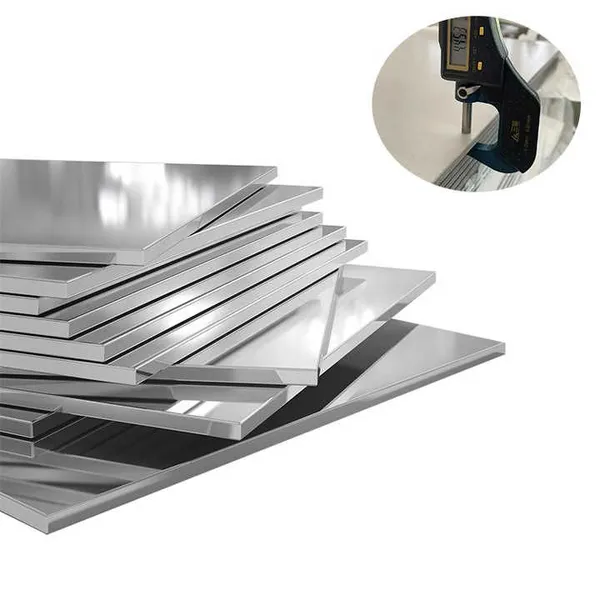
304/304L/316/409/410/904L/2205/2507/310H Premium Stainless Steel Sheets Supplier Custom Sizes & FinishesUS$ 1.72MOQ: 1 Ton
-
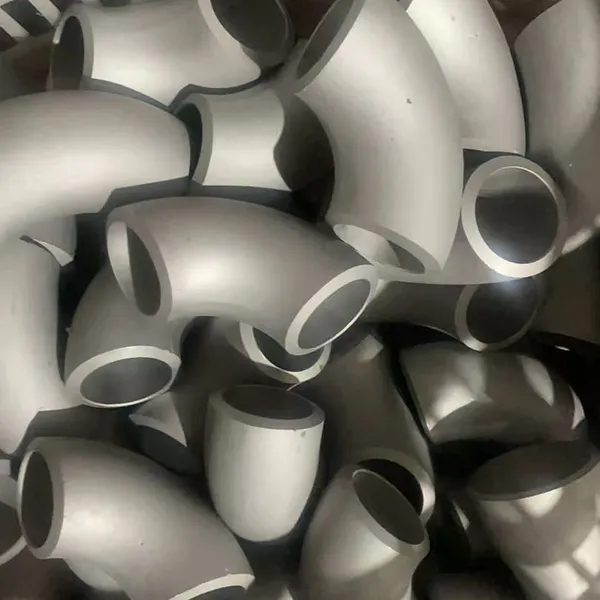
Stainless Steel ASME B16.9 Sch 45 90 Degree Pipe Fittings ElbowUS$ 8MOQ: 1 Piece
-
China Brand Zz 304L 316/316L GB En JIS Standard Thin Wall Welded Stainless Steel Water Pipe/TubeNegotiableMOQ: 2 Meters
-
BA 4 Inch 6 Inch 8 Inch 201 304 304L 316 316L Welded Seamless Stainless Steel PipeNegotiableMOQ: 2 Meters
-
ASME B36.19M-2004 SCH40S Stainless Steel Pipe - Complies With EU 3.1 CertificationUS$ 1 - 650MOQ: 1 Piece
-
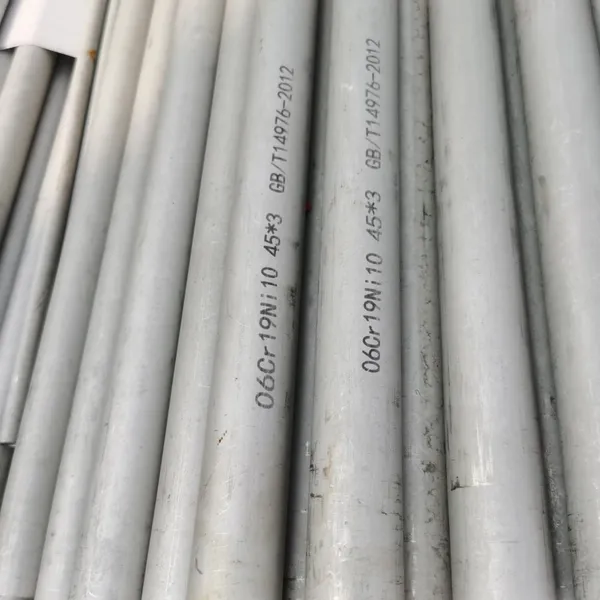
Factory TP309/TP309S/TP309H (UNS30900) Seamless Stainless Steel Pipe and Tube for Boiler BafflesUS$ 8MOQ: 200 Kilograms
-
TP347/TP347H/1.4961/S34709 Seamless Stainless Steel Pipe for UseNegotiableMOQ: 2 Meters
-
China 304 316 Stainless Steel Sanitary Welded Tube Food Grade Sanitary Grade Welded Pipe PolishingNegotiableMOQ: 1 Piece
-
China Manufacture Stainless Steel 316L Ba Seamless Welded Steel Pipe TubesUS$ 1760 - 1860MOQ: 5 Tons
-
316L/1.4405 Seamless Stainless Steel PipeNegotiableMOQ: 2 Meters
-
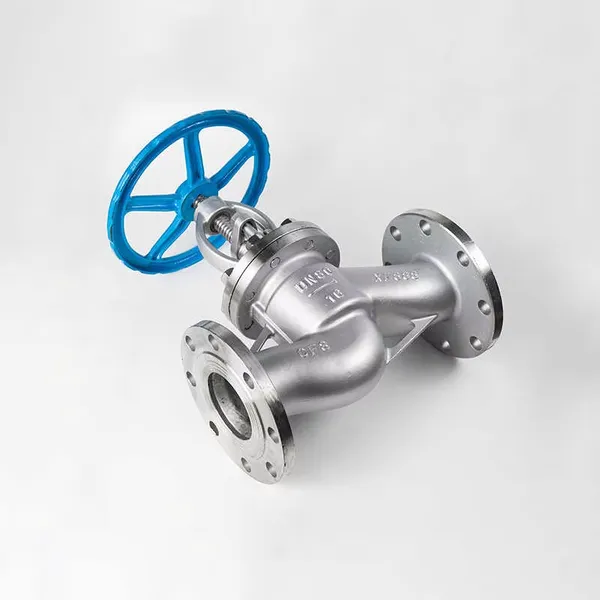
Stainless Steel Globe Valve – High Durability & Corrosion ResistanceNegotiableMOQ: 1 Piece
-
1.4529 Stainless Steel Flat Plate for Chemical Processing EquipmentUS$ 25 - 35MOQ: 1 Kilogram
-
Color Coated Steel Panels for Warehouse Partition Walls (Fireproof Grade)US$ 1 - 1.2MOQ: 50 Kilograms
-
Custom Width (600mm-1250mm) Colored Steel Coil With Scratch ResistanceUS$ 1 - 1.2MOQ: 50 Kilograms
-
0.5mm-3.0mm Colored Coated Steel Sheet With PVDF/Polyester CoatingUS$ 1 - 1.2MOQ: 50 Kilograms
-
JIS G 3322 Compliant Colored Coils With Third-Party Inspection ReportUS$ 1 - 1.2MOQ: 50 Kilograms