
 Business License

What are the polishing processes for thin-walled stainless steel pipes
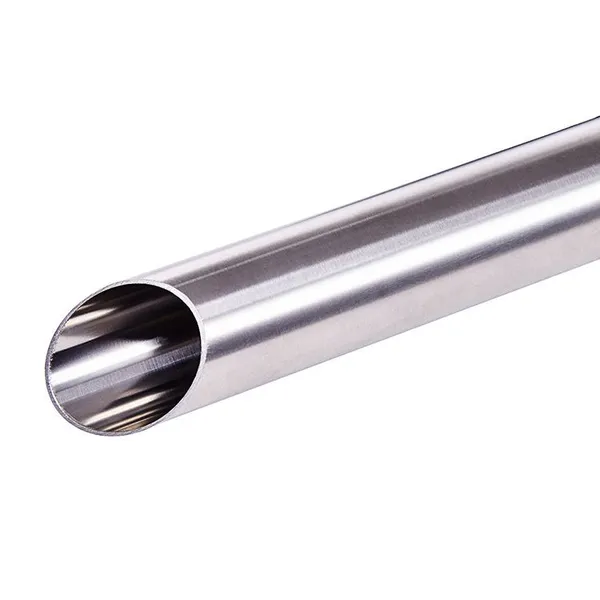
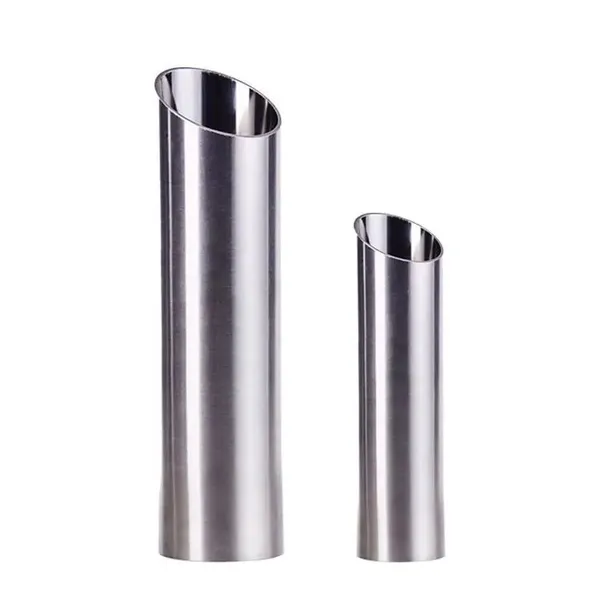
Thin-walled stainless steel water pipes are widely used due to their unique production process and excellent performance. The transportation of drinking water for households cannot be done without the cooperation of stainless steel pipes. However, the production of these pipes cannot be achieved without the polishing process.
Detailed introduction to the polishing process of thin-walled stainless steel water pipes:
The polishing process is actually a procedure for cutting the surface of stainless steel water pipes. Generally, a polishing machine is used, and polishing auxiliary materials come into contact with the surface of the stainless steel pipes for friction, achieving the cutting of the pipe surface and obtaining the corresponding smooth surface.
2. The surface finish of stainless steel pipes can also be classified into internal and external finishes. The external finish is achieved by using different coarse-grained jute wheels to cut the surface, resulting in a smooth finish. The internal finish is obtained by using plastic grinding heads inside the stainless steel pipes or by selecting reciprocating motion to cut the interior of the stainless steel pipes.
3. The surface-polished stainless steel water pipes have a very clean and bright appearance, making them easier to clean and maintain. They also form an invisible protective film that can prevent the corrosion of the stainless steel surface and reduce the likelihood of scaling. As a result, their service life is relatively longer than that of unpolished stainless steel pipes.
4. Polishing the thin-walled stainless steel water pipes not only enhances their aesthetic appeal but also increases their usability. This makes them more durable and applicable in a wider range of scenarios.
5. The main characteristics of electrochemical polishing are as follows: The surface of the polished mirror-like stainless steel water pipes has no thermal degradation layer and no additional external stress. There are no requirements for the hardness and effectiveness of the material. It can achieve cleanliness, thereby obtaining a low and thin mirror-like thin-walled stainless steel water pipe surface. It can polish complex small mirror-like thin-walled stainless steel water pipes, with high processing efficiency, short polishing time, small surface treatment volume, high surface quality after polishing, and usually the surface cleanliness can be improved through two steps.
By comparing electrochemical polishing with other common surface polishing techniques, it can be seen that electrochemical polishing has a higher overall score and is thus a relatively good method for surface polishing.
Compared with the common mechanical polishing, electrochemical polishing has the following advantages:
(1) Using electrochemical dissolution, the treatment process is smooth, and the smoothness after polishing can reach a mirror-like effect, including intense processes such as cutting and plastic deformation.
(2) The shape requirements for electrochemical polishing are relatively low. It can achieve mirror-polished treatment for stainless steel tubes, wires, thin plates, and small components with complex structures. Electrochemical polishing has much lower requirements for process and equipment compared to mechanical polishing. However, due to the sharp effect during the electrochemical polishing process, the edges of the polished steel pipes first melt, so sharp edges cannot be polished.
(3) The polishing efficiency of electrochemical polishing is much higher than that of mechanical polishing. It can simultaneously polish multiple components. Moreover, the electrochemical polishing process has good repeatability, simple operation methods, and relatively low dependence on operational skills. During the processing, there is no noise or dust.
Recently Posted
-
Does the stainless steel welded pipe have specific temperature requirements during the solution heat
January 20, 2026Solution heat treatment involves heating stainless steel to a high temperature and then rapidly cooling it to achieve an oversatur Read More
 -
Can stainless steel welded pipes be made into thick pipes
January 20, 2026With the improvement of high-quality welding technology and increasingly strict weld inspection, the application fields of s Read More
 -
Three types of commonly available food-grade stainless steel on the market
January 20, 2026The common food-grade stainless steel pipes are mainly composed of iron, chromium and carbon and other elements. Household stainle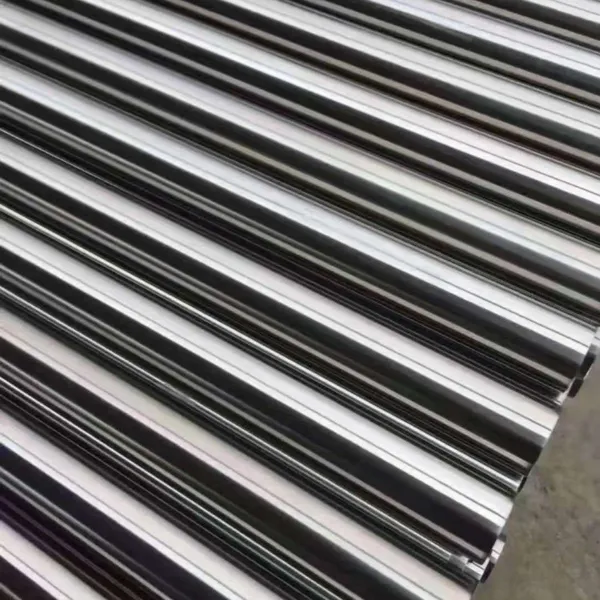 Read More
 -
What are the requirements for stainless steel welding pipe production equipment
January 20, 2026As is well known, stainless steel welded pipes have been widely used in various industries such as machinery, chemical engineering Read More

Contact Us
Recommended Products
-
 Stainless Steel Elbow Welded Elbow 45/90/180-degree Seamless Pressed Elbow Long Radius Elbow Short Radius Elbow WholesaleNegotiableMOQ: 1 Piece
 -
316L/1.4405 Seamless Stainless Steel PipeNegotiableMOQ: 2 Meters
-
310s 440 Seamless Sanitary Piping Price 321 904l 201 20 Inch Seamless Steel Pipe A554 Stainless Steel PipeNegotiableMOQ: 1 Piece
-
China Brand ZZ Wholesale 304L 316 316L Welded Austenitic Piping Stainless Steel Pipe SupplierNegotiableMOQ: 2 Meters
-
304/304L/316/409/410/904L/2205/2507/310H Premium Stainless Steel Sheets Supplier Custom Sizes & FinishesUS$ 1.72MOQ: 1 Ton
-
Stainless Steel ASME B16.9 Sch 45 90 Degree Pipe Fittings ElbowUS$ 8MOQ: 1 Piece
-
China Brand Zz 304L 316/316L GB En JIS Standard Thin Wall Welded Stainless Steel Water Pipe/TubeNegotiableMOQ: 2 Meters
-
BA 4 Inch 6 Inch 8 Inch 201 304 304L 316 316L Welded Seamless Stainless Steel PipeNegotiableMOQ: 2 Meters
-
ASME B36.19M-2004 SCH40S Stainless Steel Pipe - Complies With EU 3.1 CertificationUS$ 1 - 650MOQ: 1 Piece
-
Factory TP309/TP309S/TP309H (UNS30900) Seamless Stainless Steel Pipe and Tube for Boiler BafflesUS$ 8MOQ: 200 Kilograms
-
TP347/TP347H/1.4961/S34709 Seamless Stainless Steel Pipe for UseNegotiableMOQ: 2 Meters
-
China 304 316 Stainless Steel Sanitary Welded Tube Food Grade Sanitary Grade Welded Pipe PolishingNegotiableMOQ: 1 Piece
-
China Manufacture Stainless Steel 316L Ba Seamless Welded Steel Pipe TubesUS$ 1760 - 1860MOQ: 5 Tons
-
316L/1.4405 Seamless Stainless Steel PipeNegotiableMOQ: 2 Meters
-
Stainless Steel Globe Valve – High Durability & Corrosion ResistanceNegotiableMOQ: 1 Piece
-
World's Most Affordable Color-Coated Steel Sheets - 0.3mm to 3mm Thickness - Mill Test Report IncludedUS$ 1102MOQ: 10 Kilograms
-
Color-Coated Steel Sheets With 15-Year Fade Warranty - JIS G 3322 Standard CompliantUS$ 1102MOQ: 10 Kilograms
-
Prefab Building Material - 0.4mm Color-Coated Corrugated Sheets - 100,000㎡ Monthly OutputUS$ 1102MOQ: 10 Kilograms
-
Industrial-Grade Color-Coated Sheets - 150-250g/m² Zinc Coating - Weather & UV ResistantUS$ 1102MOQ: 10 Kilograms
-
Factory-Direct Color-Coated Steel Plates - PVDF/Polyester Coating - 1220mm Standard WidthUS$ 1102MOQ: 10 Kilograms