
 Business License

What methods can be used to improve the appearance of unannealed stainless steel seamless pipes?
Unannealed stainless steel seamless pipes produce scale, scratches, surface roughness and other problems during cold processing (such as cold drawing, cold rolling) or hot rolling. The following methods can be used to improve the appearance, while taking into account cost and performance requirements:
1. Surface mechanical treatment
Remove defects through physical grinding, polishing, etc. to improve surface finish. It is suitable for scenes where precision requirements are not high but the appearance needs to be improved quickly.
1. Sandblasting / Shot peening
Principle: Use compressed air to spray quartz sand and steel shot (particle size 0.1~1.0mm) at high speed to the surface to remove impurities such as scale and welding slag.
Effect:
01. The roughness can reach Ra 12.5~25μm, forming a uniform matte surface.
02. Suitable for pretreatment of thick-walled pipes (wall thickness > 3mm) or hot-rolled pipes, not suitable for thin-walled pipes (easy to cause wall thickness thinning).
Equipment: open sandblasting room or automated shot peening production line
2. Mechanical polishing
Applicable scenarios:
External surface: Remove scratches through centerless grinder, abrasive belt polisher (sand belt mesh 80~600#), and the roughness can be reduced to Ra 0.8~3.2μm.
Inner surface: Use a rotating polishing head (with abrasive nylon brush or emery cloth), suitable for pipes with a diameter of >20mm, and can reach Ra 1.6~6.3μm.
Precautions:
The feed speed needs to be controlled (≤5m/min) to avoid excessive grinding and dimensional deviation.
Suitable for small batch or customized polishing, large batch production efficiency is low.
3. Wire drawing
Process: Use a wire drawing machine (equipped with tungsten steel wire drawing wheel or abrasive belt) to rub along the axial or circumferential direction of the pipe to form directional lines (such as straight wire and random lines).
Effect:
01. Roughness Ra 0.4~1.6μm, strong decorative effect, covering minor scratches.
02. Commonly used in industries with high requirements for appearance, such as building decoration, kitchen and bathroom equipment.
2. Chemical treatment
Remove the oxide scale through chemical reaction and form a passivation film to improve the surface gloss and corrosion resistance, suitable for complex geometric shapes or batch processing.
1. Pickling (removing oxide scale)
Solution formula:
Austenitic stainless steel: nitric acid (15%~20%) + hydrofluoric acid (3%~5%), soak at room temperature for 5~15 minutes.
Ferritic stainless steel: nitric acid (20%~25%), avoid excessive corrosion of ferrite structure by hydrofluoric acid.
Effect:
01. The roughness can be reduced to Ra 0.2~0.8μm, which is close to the mirror effect, especially suitable for inner wall polishing.
02. At the same time, a uniform passivation film is formed, and the corrosion resistance is improved (the salt spray test time is extended by more than 50%).
Limitations: Customized hangers are required, the cost is high, and it is not suitable for large diameters (>200mm) or long pipes (>6m).
3. Passivation treatment
Process: After pickling, immerse in 20%~30% nitric acid solution (30 minutes at room temperature) or use a chromium-free passivating agent (such as titanium salt, molybdate) to promote the formation of Cr₂O₃ passivation film.
Function:
01. Eliminate Fe²+ ions left by pickling to prevent rust.
02. The appearance is uniform silver-white, without rainbow-colored oxide film.
3. Plating and coating treatment
By covering with metal or non-metallic coating, the defects of the substrate are concealed and functionality (such as corrosion resistance and wear resistance) is given, which is suitable for special environmental needs.
1. Electroplating / chemical plating
Chromium plating (hard chrome): thickness 5~25μm, surface hardness HV 800~1200, improve wear resistance, silver-white and bright appearance, used for mechanical structural parts.
Nickel plating / nickel-phosphorus alloy: The chemical nickel plating layer is uniform (thickness 2~20μm), has strong corrosion resistance, is suitable for complex inner cavity pipes, and has a semi-bright nickel white appearance.
2. Hot dip plating (such as galvanizing)
Process: The pipe is immersed in molten zinc liquid (450~480℃) to form a Fe-Zn alloy layer (thickness 80~120μm), and the surface is silver-gray zinc flower.
Applicable scenarios: outdoor engineering, construction pipes, salt spray corrosion resistance can reach more than 500 hours, but high temperature may cause stress release deformation of cold-processed pipes.
3. Organic coating (spray painting/plastic coating)
Electrostatic spraying: epoxy resin powder (thickness 80~300μm), high temperature curing (200~220℃), optional colors (such as RAL color card), used for decoration or anti-corrosion (such as drinking water pipes).
Plastic lining: polyethylene (PE) or polypropylene (PP) layer is coated on the inner wall of the pipe by extrusion or hot melt method, with a thickness of 1~3mm, to improve the cleanliness and corrosion resistance of fluid transportation.
IV. Composite treatment process (combination optimization)
According to the appearance and performance requirements, multiple processes can be superimposed to achieve the best effect:
1. Sandblasting + pickling + passivation
Process: First sandblast to remove thick oxide skin → pickling to level the surface → passivation to form a protective film.
Effect: uniform matte surface, significantly improved corrosion resistance, suitable for industrial equipment pipes (such as chemical pipelines).
2. Cold drawing + electrolytic polishing + plating
Process: cold processing → electrolytic polishing to improve finish → electroplating nickel-phosphorus alloy to enhance corrosion resistance and wear resistance.
Effect: Mirror grade of internal and external surfaces (Ra≤0.2μm), used for medical devices and food-grade pipes.
V. Precautions and limitations
1. Relationship between annealing and surface treatment:
01. Unannealed pipes have work hardening, and surface treatment may mask internal stress (such as cold-drawn pipes that are directly polished without annealing, which may cause surface cracking due to stress release during use).
02. It is recommended that high-stress scenarios (such as high-pressure pipes) first perform stress relief annealing (300~450℃) and then perform surface treatment.
2. Cost and efficiency balance:
Mechanical polishing is suitable for small-batch customization, electrolytic polishing and plating are suitable for mid-to-high-end needs, and pickling + passivation is the most cost-effective basic treatment solution.
3. Environmental protection requirements:
Chemical treatment requires a wastewater treatment system (such as a neutralization tank and heavy metal recovery) to avoid the discharge of pollutants such as hydrofluoric acid and hexavalent chromium.
Summary
The appearance improvement of unannealed stainless steel seamless pipes needs to be selected according to the application:
Decorative needs: mechanical polishing + wire drawing or electrolytic polishing is preferred, and the mirror effect can be superimposed with plating.
Industrial anti-corrosion needs: pickling passivation or hot-dip galvanizing is more economical.
High cleanliness scene: electrolytic polishing + passivation, lining plastic treatment if necessary.
It should be noted that surface treatment cannot completely replace the optimization of material properties by annealing (such as stress relief and grain refinement), and key load-bearing or corrosion-resistant scenes still need to be combined with annealing process.
#Knowledge about stainless steel pipes##Knowledge about stainless steel seamless pipes##Stainless steel [super topic]##Wenzhou [location]#
Recently Posted
-
Does the stainless steel welded pipe have specific temperature requirements during the solution heat
January 20, 2026Solution heat treatment involves heating stainless steel to a high temperature and then rapidly cooling it to achieve an oversatur Read More
 -
Can stainless steel welded pipes be made into thick pipes
January 20, 2026With the improvement of high-quality welding technology and increasingly strict weld inspection, the application fields of s Read More
 -
Three types of commonly available food-grade stainless steel on the market
January 20, 2026The common food-grade stainless steel pipes are mainly composed of iron, chromium and carbon and other elements. Household stainle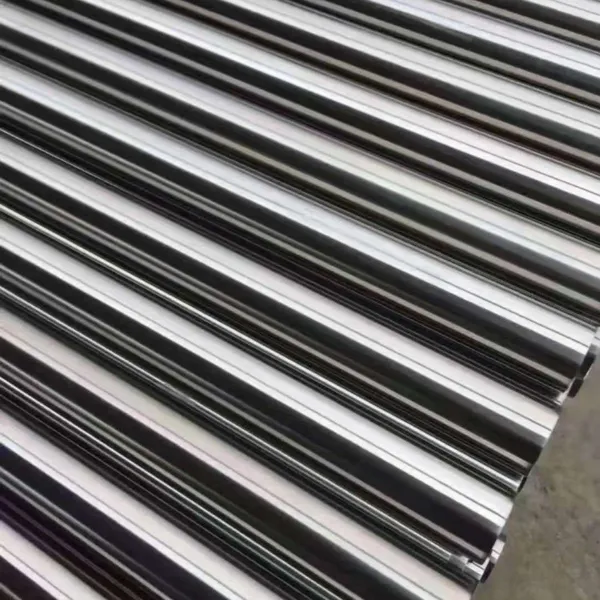 Read More
 -
What are the requirements for stainless steel welding pipe production equipment
January 20, 2026As is well known, stainless steel welded pipes have been widely used in various industries such as machinery, chemical engineering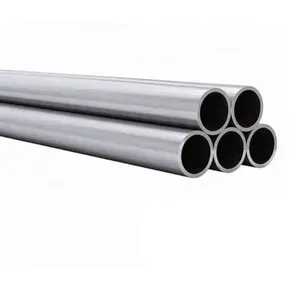 Read More

Contact Us
Recommended Products
-
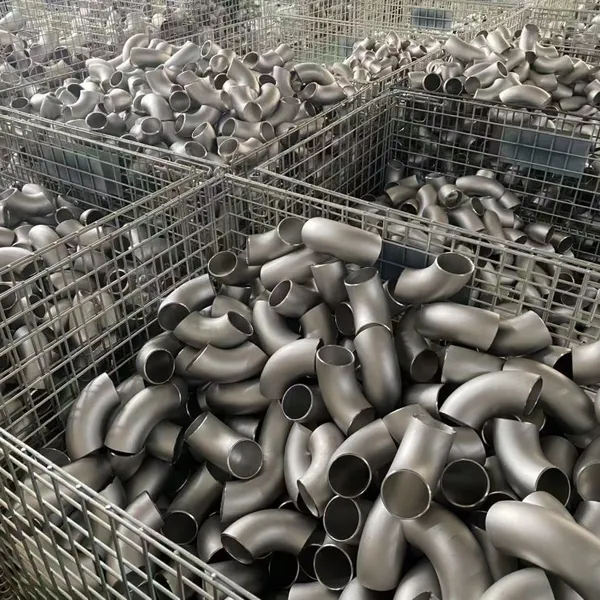
 Stainless Steel Elbow Welded Elbow 45/90/180-degree Seamless Pressed Elbow Long Radius Elbow Short Radius Elbow WholesaleNegotiableMOQ: 1 Piece
 -
316L/1.4405 Seamless Stainless Steel PipeNegotiableMOQ: 2 Meters
-
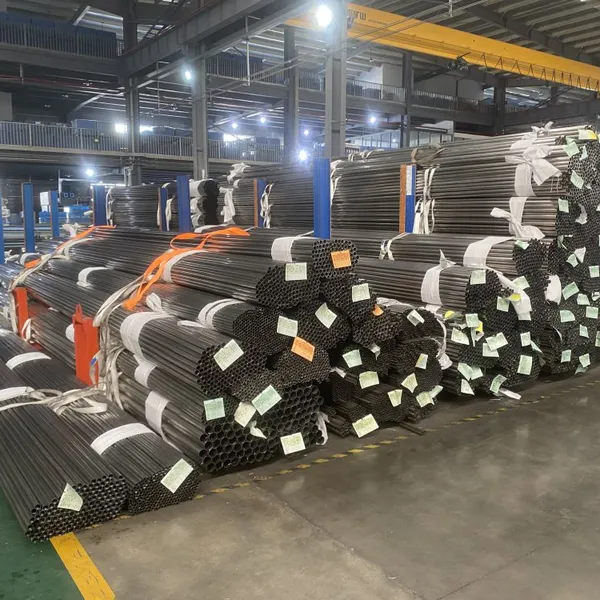
310s 440 Seamless Sanitary Piping Price 321 904l 201 20 Inch Seamless Steel Pipe A554 Stainless Steel PipeNegotiableMOQ: 1 Piece
-
China Brand ZZ Wholesale 304L 316 316L Welded Austenitic Piping Stainless Steel Pipe SupplierNegotiableMOQ: 2 Meters
-
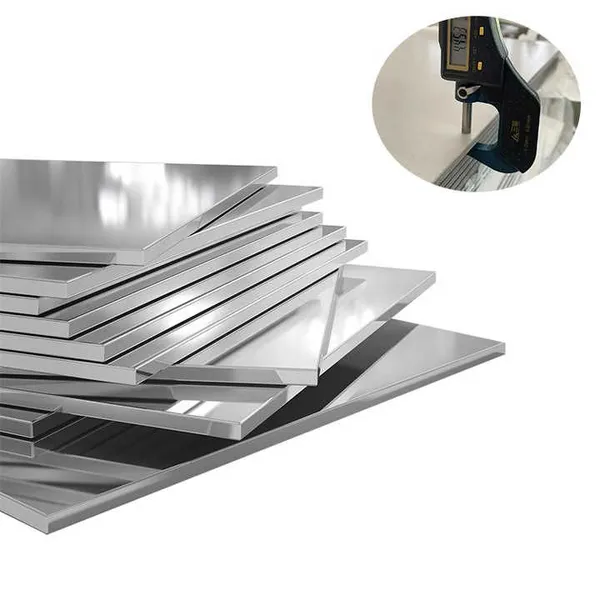
304/304L/316/409/410/904L/2205/2507/310H Premium Stainless Steel Sheets Supplier Custom Sizes & FinishesUS$ 1.72MOQ: 1 Ton
-
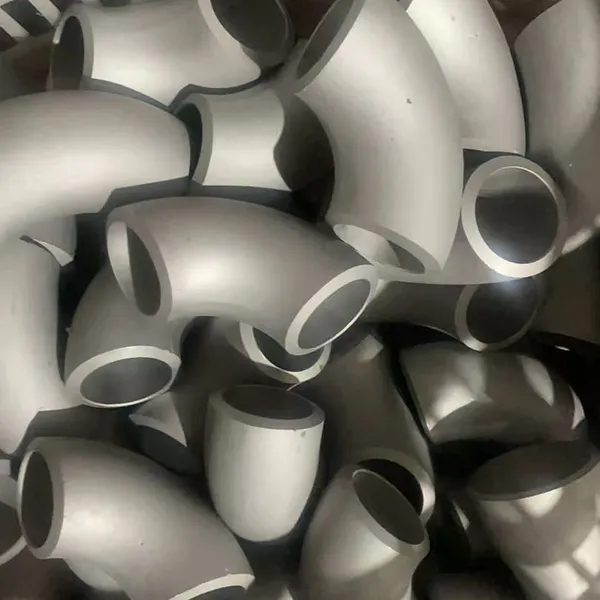
Stainless Steel ASME B16.9 Sch 45 90 Degree Pipe Fittings ElbowUS$ 8MOQ: 1 Piece
-
China Brand Zz 304L 316/316L GB En JIS Standard Thin Wall Welded Stainless Steel Water Pipe/TubeNegotiableMOQ: 2 Meters
-
BA 4 Inch 6 Inch 8 Inch 201 304 304L 316 316L Welded Seamless Stainless Steel PipeNegotiableMOQ: 2 Meters
-
ASME B36.19M-2004 SCH40S Stainless Steel Pipe - Complies With EU 3.1 CertificationUS$ 1 - 650MOQ: 1 Piece
-
Factory TP309/TP309S/TP309H (UNS30900) Seamless Stainless Steel Pipe and Tube for Boiler BafflesUS$ 8MOQ: 200 Kilograms
-
TP347/TP347H/1.4961/S34709 Seamless Stainless Steel Pipe for UseNegotiableMOQ: 2 Meters
-
China 304 316 Stainless Steel Sanitary Welded Tube Food Grade Sanitary Grade Welded Pipe PolishingNegotiableMOQ: 1 Piece
-
China Manufacture Stainless Steel 316L Ba Seamless Welded Steel Pipe TubesUS$ 1760 - 1860MOQ: 5 Tons
-
316L/1.4405 Seamless Stainless Steel PipeNegotiableMOQ: 2 Meters
-
Stainless Steel Globe Valve – High Durability & Corrosion ResistanceNegotiableMOQ: 1 Piece
-
1.4529 Stainless Steel Flat Plate for Chemical Processing EquipmentUS$ 25 - 35MOQ: 1 Kilogram
-
Color Coated Steel Panels for Warehouse Partition Walls (Fireproof Grade)US$ 1 - 1.2MOQ: 50 Kilograms
-
Custom Width (600mm-1250mm) Colored Steel Coil With Scratch ResistanceUS$ 1 - 1.2MOQ: 50 Kilograms
-
0.5mm-3.0mm Colored Coated Steel Sheet With PVDF/Polyester CoatingUS$ 1 - 1.2MOQ: 50 Kilograms
-
JIS G 3322 Compliant Colored Coils With Third-Party Inspection ReportUS$ 1 - 1.2MOQ: 50 Kilograms