
 Business License

Requirements and standards for stainless steel pipes used in sanitary water supply equipment for rai
The stainless steel pipes used for water supply and sanitation in rail vehicles must meet strict requirements in terms of material properties, hygiene safety and industry norms. The following are the key technical points based on comprehensive standards from both domestic and international sources:
I. Core Material Standards and Performance Requirements
1. Material Grade Selection
Preferred materials are austenitic stainless steels, such as 304 (06Cr19Ni10) or 316 (06Cr17Ni12Mo2). 316 stainless steel contains molybdenum and has superior corrosion resistance, especially suitable for high humidity or chloride-containing environments. According to the Chinese railway industry standard "TB/T 3350.2-2014 Stainless Steel for EMU Sets Part 2: Tubular Materials", the tubular materials must comply with the chemical composition specified in Table 1, such as the chromium content of 304 stainless steel should reach 18.0%-20.0%, and the nickel content 10.0%-12.0%, and pass the intergranular corrosion test to ensure corrosion resistance.
2. Mechanical Properties
Tensile strength: Generally required to be ≥ 520 MPa (such as 304 stainless steel), yield strength ≥ 205 MPa.
Process Performance: Must pass the flattening test (compressed to an inner wall spacing of 3 times the nominal wall thickness without cracks), expansion test (expansion rate 10% without cracking), and hydraulic test (pressure ≥ 20 MPa, hold pressure for 5 seconds without leakage).
Vibration Resistance and Fatigue Resistance: For the vibration characteristics of the rail vehicles, the tubular materials need to pass fatigue tests to ensure no stress cracking under long-term use.
3. Manufacturing Process and Surface Treatment
Manufacturing Method: Can adopt hot rolling, cold drawing or welding processes. Welded tubes must comply with the weld flaw detection requirements of "GB/T 12771-2019 Fluid Transport Stainless Steel Welded Pipes". Surface treatment:
Hygiene grade requirements: The inner and outer surfaces need to be polished to Ra ≤ 0.8 μm (mirror finish) to prevent fluid adhesion and bacterial growth.
Passivation treatment: Acid washing and passivation form a dense oxide layer, enhancing corrosion resistance. After passivation, the blue dot test must be conducted for inspection.
Oil-free degree: Use ultrasonic cleaning to remove oil stains, ensuring that the residual oil on the surface is ≤ 1mg/m².
II. Hygiene Safety and Drinking Water Standards
1. Hygiene Certification
Domestic Standards: Must comply with "GB/T 17219-1998 Safety Evaluation Standard for Water Supply and Distribution Equipment for Drinking Water", through immersion tests to detect the leaching of heavy metals (such as lead, cadmium) and organic substances, ensuring that the water quality is free from pollution.
International Standards: For export projects, they must meet the standards of EU EC 1935/2004 or US FDA 21 CFR 177.2400, for example, using QBT 2467 (food industry sanitary stainless steel pipes) or ASTM A270 (hygienic seamless steel pipes).
2. Microbial Control
The inner wall of the pipe material should have anti-biofilm properties. A surface roughness of Ra ≤ 0.4 μm can effectively inhibit bacterial attachment. In necessary cases, electrolytic polishing or coating treatment can be adopted.
III. Industry Standards and Certification Requirements
1. Special Standards for Railway Vehicles
Chinese Railway Standards: The "TB/T 3350.2-2014" stipulates the dimensional accuracy (divided into ordinary level PA, intermediate level PC, and advanced level PH), bending degree (≤1.5mm/m), and non-destructive testing (ultrasonic or eddy current inspection) for stainless steel tubes used in EMU (Electric Multiple Unit).
International Standards: EN 10216-5 (Pressure Stainless Steel Tubes) or ASTM A213 (Unfinished Seamless Steel Pipes for Boilers and Superheaters) are applicable for scenarios that need to comply with international projects. For example, when using X2CrNi19-11 (1.4306) material, the mechanical performance indicators of the EN standard must be met.
2. Certification Requirements
Domestic Certification: The pipe material must pass the China Railway Product Certification (CRCC), covering material composition, process verification, and third-party test reports.
International Certification: CE Certification (Pressure Equipment Directive PED) or ASME BPVC (Boiler and Pressure Vessel Code) are applicable for export projects. Welding procedure qualification (WPS) and non-destructive testing reports must be provided.
IV. Typical Application Scenarios and Design Suggestions
1. System Design
Pressure Grade: Select the pipe material thickness based on the working pressure of the water supply system (typically ≤ 1.6 MPa). For example, the recommended thickness for a DN50 pipe is ≥ 3.0 mm.
Connection Method: Preferably use clamp-type quick-connect connections (such as the DIN 11851 standard) to avoid welding residue contamination; when welding, use argon arc welding (TIG) and fill argon for protection to prevent oxidation.
2. Installation and Maintenance
Support Design: Set up shock-absorbing supports every 1.5 - 2.0 meters, using rubber isolators to reduce vibration transmission.
Cleaning and Disinfection: Regularly rinse with citric acid or hypochlorous acid solution in a circulating manner to ensure no deposits on the inner wall. In necessary cases, an integrated ultraviolet sterilization module can be integrated.
V. Standard Comparison and Selection Reference
Picture 1
By comprehensively applying these standards, it is possible to ensure that the stainless steel pipes of the water supply system for rail vehicles meet the international advanced level in terms of corrosion resistance, hygiene safety and reliability, and can meet the strict requirements of high-speed trains, subways and other scenarios. In actual projects, material selection and process optimization need to be carried out in combination with specific vehicle models, water quality conditions and certification requirements.
Recently Posted
-
Does the stainless steel welded pipe have specific temperature requirements during the solution heat
January 20, 2026Solution heat treatment involves heating stainless steel to a high temperature and then rapidly cooling it to achieve an oversatur Read More
 -
Can stainless steel welded pipes be made into thick pipes
January 20, 2026With the improvement of high-quality welding technology and increasingly strict weld inspection, the application fields of s Read More
 -
Three types of commonly available food-grade stainless steel on the market
January 20, 2026The common food-grade stainless steel pipes are mainly composed of iron, chromium and carbon and other elements. Household stainle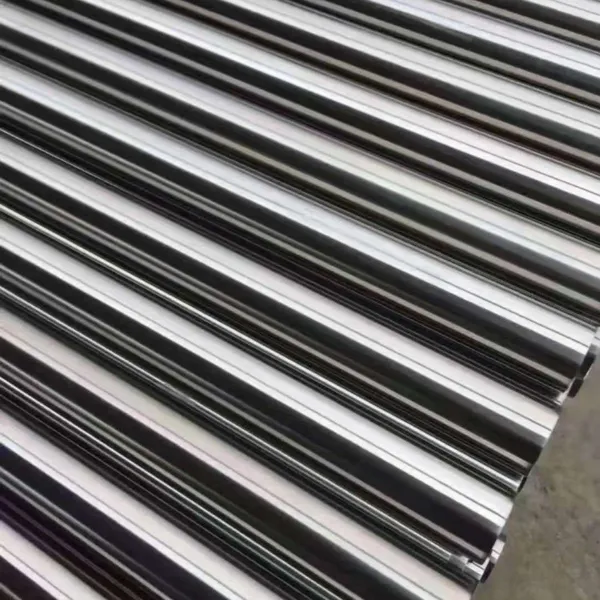 Read More
 -
What are the requirements for stainless steel welding pipe production equipment
January 20, 2026As is well known, stainless steel welded pipes have been widely used in various industries such as machinery, chemical engineering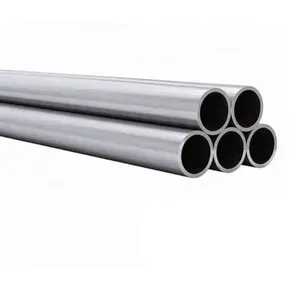 Read More

Contact Us
Recommended Products
-
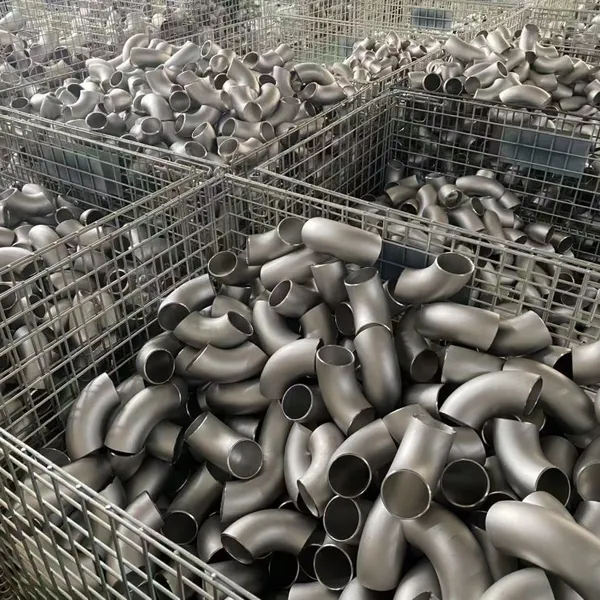
 Stainless Steel Elbow Welded Elbow 45/90/180-degree Seamless Pressed Elbow Long Radius Elbow Short Radius Elbow WholesaleNegotiableMOQ: 1 Piece
 -
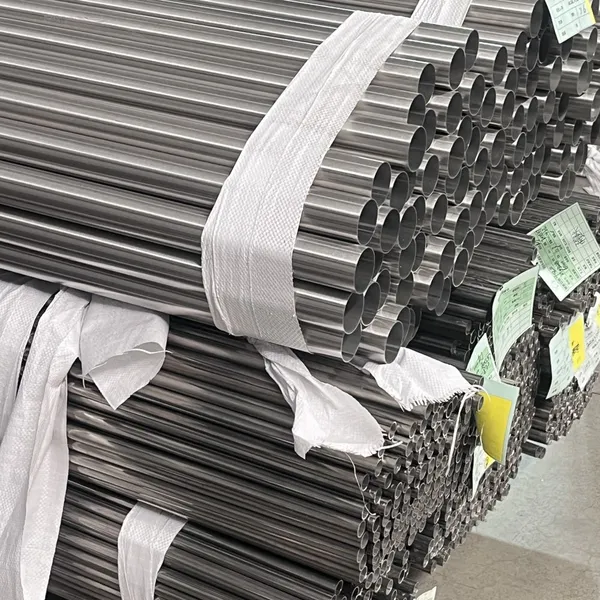
316L/1.4405 Seamless Stainless Steel PipeNegotiableMOQ: 2 Meters
-
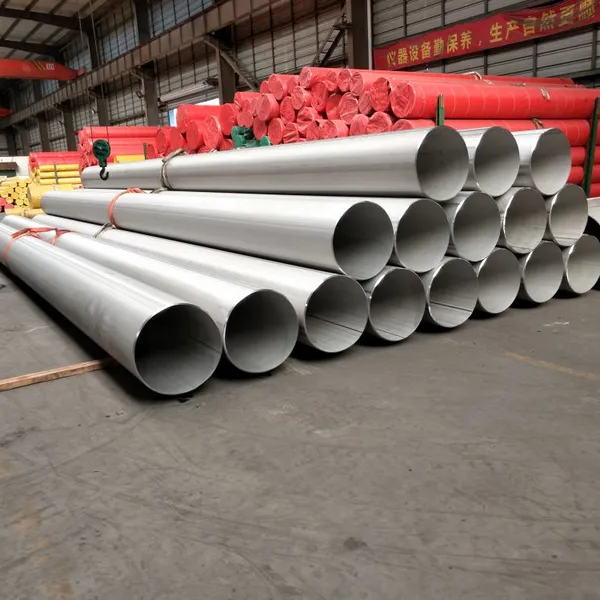
310s 440 Seamless Sanitary Piping Price 321 904l 201 20 Inch Seamless Steel Pipe A554 Stainless Steel PipeNegotiableMOQ: 1 Piece
-
China Brand ZZ Wholesale 304L 316 316L Welded Austenitic Piping Stainless Steel Pipe SupplierNegotiableMOQ: 2 Meters
-
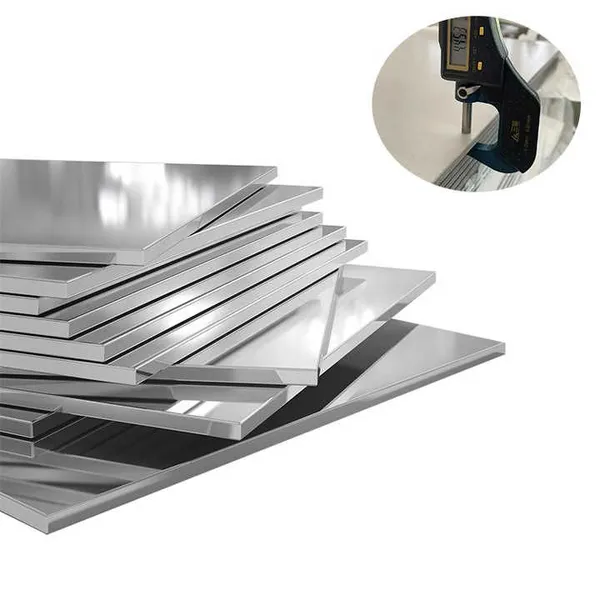
304/304L/316/409/410/904L/2205/2507/310H Premium Stainless Steel Sheets Supplier Custom Sizes & FinishesUS$ 1.72MOQ: 1 Ton
-
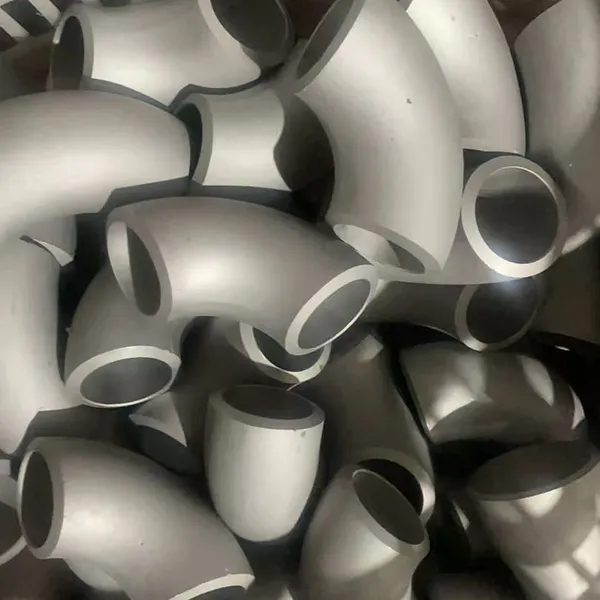
Stainless Steel ASME B16.9 Sch 45 90 Degree Pipe Fittings ElbowUS$ 8MOQ: 1 Piece
-
China Brand Zz 304L 316/316L GB En JIS Standard Thin Wall Welded Stainless Steel Water Pipe/TubeNegotiableMOQ: 2 Meters
-
BA 4 Inch 6 Inch 8 Inch 201 304 304L 316 316L Welded Seamless Stainless Steel PipeNegotiableMOQ: 2 Meters
-
ASME B36.19M-2004 SCH40S Stainless Steel Pipe - Complies With EU 3.1 CertificationUS$ 1 - 650MOQ: 1 Piece
-
Factory TP309/TP309S/TP309H (UNS30900) Seamless Stainless Steel Pipe and Tube for Boiler BafflesUS$ 8MOQ: 200 Kilograms
-
TP347/TP347H/1.4961/S34709 Seamless Stainless Steel Pipe for UseNegotiableMOQ: 2 Meters
-
China 304 316 Stainless Steel Sanitary Welded Tube Food Grade Sanitary Grade Welded Pipe PolishingNegotiableMOQ: 1 Piece
-
China Manufacture Stainless Steel 316L Ba Seamless Welded Steel Pipe TubesUS$ 1760 - 1860MOQ: 5 Tons
-
316L/1.4405 Seamless Stainless Steel PipeNegotiableMOQ: 2 Meters
-
Stainless Steel Globe Valve – High Durability & Corrosion ResistanceNegotiableMOQ: 1 Piece
-
1.4529 Stainless Steel Flat Plate for Chemical Processing EquipmentUS$ 25 - 35MOQ: 1 Kilogram
-
Color Coated Steel Panels for Warehouse Partition Walls (Fireproof Grade)US$ 1 - 1.2MOQ: 50 Kilograms
-
Custom Width (600mm-1250mm) Colored Steel Coil With Scratch ResistanceUS$ 1 - 1.2MOQ: 50 Kilograms
-
0.5mm-3.0mm Colored Coated Steel Sheet With PVDF/Polyester CoatingUS$ 1 - 1.2MOQ: 50 Kilograms
-
JIS G 3322 Compliant Colored Coils With Third-Party Inspection ReportUS$ 1 - 1.2MOQ: 50 Kilograms