
 Business License

What special properties are required for degreasing sanitary grade stainless steel pipes used in med
Degreasing sanitary grade stainless steel pipes used for medical devices and medical gases, as they directly affect patient safety and the cleanliness of the medical environment, must have the following special properties and meet hygiene standards, safety, and functional requirements simultaneously:
1、 Material and corrosion resistance requirements
1. High purity stainless steel material
Grade standard: 316L (022Cr17Ni12Mo2) or 304L (022Cr19Ni10) stainless steel with a carbon content of ≤ 0.03% is preferred to avoid intergranular corrosion; 316L, due to its molybdenum content, has stronger corrosion resistance to chloride ions (such as physiological saline) and is suitable for medical environments that are humid or in contact with disinfectants.
Chemical composition restrictions: Strictly control the content of impurities such as sulfur (S) and phosphorus (P) to avoid the release of harmful substances that contaminate medical gases or come into contact with human tissues.
2. Corrosion and oxidation resistance performance
Salt spray testing (such as ASTM B117) and intergranular corrosion testing (such as ASTM A262) are required to ensure that there is no rusting or precipitation of metal ions in hospital disinfectant water (containing chlorine, alcohol) or humid environments.
2、 Degreasing and cleanliness control
1. Extreme degreasing treatment
Oil residue standard: Medical grade degreasing agents (such as isopropanol) are used for cyclic cleaning, with a residual oil content of ≤ 50mg/m ² (some scenarios require ≤ 10mg/m ²), which needs to be verified by infrared spectroscopy or weight method.
No residual organic matter: After degreasing, it needs to be purged with high-purity nitrogen or rinsed with deionized water to avoid residual degreasing agents affecting the purity of medical gases (such as the possibility of explosion caused by the mixing of organic matter in oxygen).
2. Surface smoothness and microbial control
Inner wall roughness: Ra value ≤ 0.8 μ m (medical gas pipelines often require Ra ≤ 0.4 μ m), reducing bacterial adhesion; The outer surface can be polished with a mirror finish (Ra ≤ 0.2 μ m) for easy cleaning and disinfection.
Microbial indicators: Total colony count ≤ 100 CFU/m ², requiring FDA or GMP standard microbial culture testing.
3、 Special safety performance of medical gases
1. Explosion proof and flame retardant characteristics
Special requirements for oxygen pipelines:
The material must be non flammable metal, and the use of materials that are prone to static electricity or sparks is prohibited; The inner wall of the pipeline should be free of burrs and oil stains to avoid combustion caused by friction heating during high-speed oxygen flow (oxygen has strong combustion supporting properties, and oil residue may cause detonation).
It must comply with NFPA 99 (American Medical Facility Standard) or GB 50751 (Technical Specification for Medical Gas Engineering), and the pipeline connection should use flanges or automatic rail welding to ensure sealing and prevent oxygen leakage from forming explosive mixtures.
2. Gas purity assurance
When transporting medical oxygen, nitrous oxide (N ₂ O) and other gases, the pipeline should avoid adsorbing or releasing gas impurities. For example, helium mass spectrometry leak detection (leakage rate ≤ 1 × 10 ⁻⁹ Pa · m ³/s) should be used to ensure that the gas purity is ≥ 99.5% and does not contain harmful components such as carbon monoxide and carbon dioxide.
4、 Biocompatibility and Non toxicity
1. No biological toxicity
ISO 10993 biocompatibility testing is required, including cytotoxicity, allergenicity, and irritation tests, to ensure no adverse reactions when in contact with human tissue or body fluids (such as connecting tubing for implantable medical devices).
2. No precipitate pollution
After high-temperature sterilization (such as 121 ℃ high-pressure steam) of the pipeline, the dissolved substances must comply with USP<87>or EP 3.1.9 standards, and the amount of metal ions (such as Cr, Ni) released should be ≤ 0.1ppm to avoid affecting the quality of the medicine or gas.
5、 Pressure resistance, temperature resistance, and sterilization adaptability
1. Pressure and temperature tolerance
The working pressure of medical gas pipelines (such as oxygen) is usually 0.2-0.6MPa, and they need to pass water pressure tests (1.5 times the working pressure) and air pressure tests without leakage or deformation; The temperature tolerance range should cover -20 ℃ to 130 ℃ (suitable for sterilization temperature).
2. Online sterilization support
Supports SIP (online steam sterilization) (121 ℃/30min) or CIP (online cleaning) (such as 70% ethanol circulation), and the pipeline material maintains mechanical properties and corrosion resistance after repeated high-temperature sterilization, with no oxidation discoloration or cracks at the welding points.
6、 Installation and connection reliability
1. Welding and sealing requirements
Adopting automatic rail argon arc welding (TIG welding), the weld seam is smooth without pores, and the inner wall height is ≤ 0.1mm to avoid welding slag residue; It is prohibited to use threaded connections (which are prone to dust accumulation), and clamp type (quick installation) or welded connections should be preferred to ensure that there is no leakage on the sealing surface.
2. Anti static and grounding
Medical gas pipelines (especially oxygen) need to be grounded as a whole with a grounding resistance of ≤ 4 Ω to prevent static electricity accumulation from causing sparks, in accordance with GB 50231 "General Code for Construction and Acceptance of Mechanical Equipment Installation Engineering".
7、 Industry certification and standard compliance
Required certifications:
FDA (US Food and Drug Administration) or CE (European Union Medical Device Directive) certification to demonstrate material safety;
YY/T 0801.1 (Stainless steel piping systems for medical gases and vacuum) or ISO 11135 (Requirements for sterilized medical devices), ensuring compliance with specialized standards for the medical industry.
summarize
The core performance of degreased sanitary grade stainless steel pipes for medical devices and medical gases can be summarized as "clean and pollution-free, safe and explosion-proof, biocompatible, corrosion-resistant and pressure resistant". From material selection to processing technology, to installation certification, it is necessary to design around "zero pollution" and "high safety" to avoid the risk of infection or gas transmission accidents in medical environments and ensure the safety of patients and medical staff.
Recently Posted
-
Does the stainless steel welded pipe have specific temperature requirements during the solution heat
January 20, 2026Solution heat treatment involves heating stainless steel to a high temperature and then rapidly cooling it to achieve an oversatur Read More
 -
Can stainless steel welded pipes be made into thick pipes
January 20, 2026With the improvement of high-quality welding technology and increasingly strict weld inspection, the application fields of s Read More
 -
Three types of commonly available food-grade stainless steel on the market
January 20, 2026The common food-grade stainless steel pipes are mainly composed of iron, chromium and carbon and other elements. Household stainle Read More
 -
What are the requirements for stainless steel welding pipe production equipment
January 20, 2026As is well known, stainless steel welded pipes have been widely used in various industries such as machinery, chemical engineering Read More

Contact Us
Recommended Products
-
 Stainless Steel Elbow Welded Elbow 45/90/180-degree Seamless Pressed Elbow Long Radius Elbow Short Radius Elbow WholesaleNegotiableMOQ: 1 Piece
 -
316L/1.4405 Seamless Stainless Steel PipeNegotiableMOQ: 2 Meters
-
310s 440 Seamless Sanitary Piping Price 321 904l 201 20 Inch Seamless Steel Pipe A554 Stainless Steel PipeNegotiableMOQ: 1 Piece
-
China Brand ZZ Wholesale 304L 316 316L Welded Austenitic Piping Stainless Steel Pipe SupplierNegotiableMOQ: 2 Meters
-
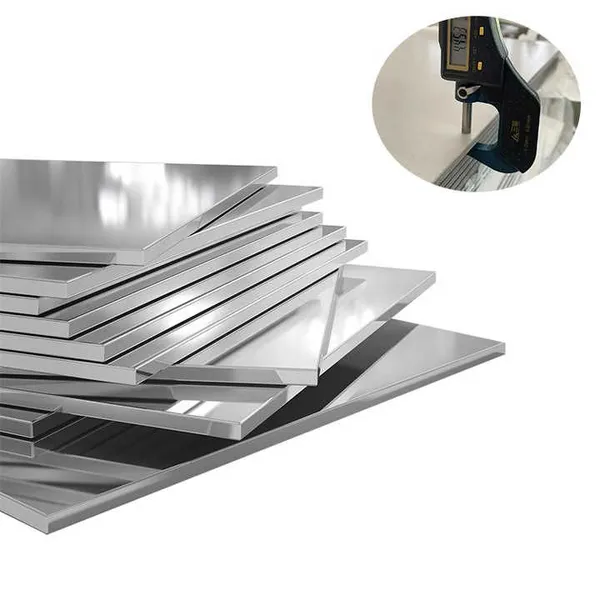
304/304L/316/409/410/904L/2205/2507/310H Premium Stainless Steel Sheets Supplier Custom Sizes & FinishesUS$ 1.72MOQ: 1 Ton
-
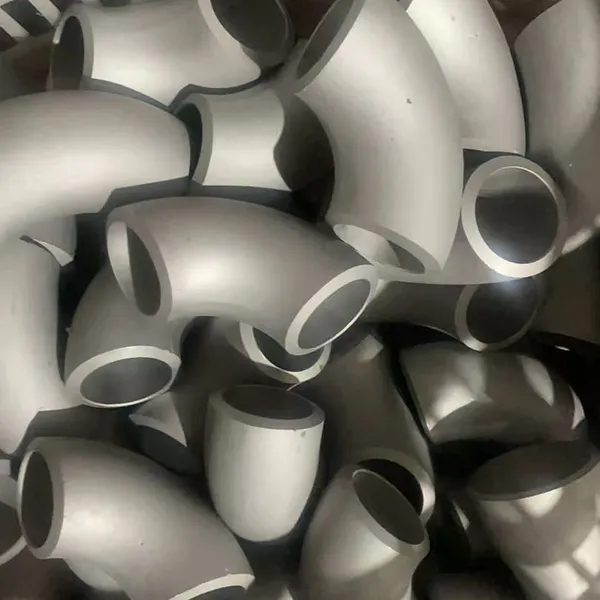
Stainless Steel ASME B16.9 Sch 45 90 Degree Pipe Fittings ElbowUS$ 8MOQ: 1 Piece
-
China Brand Zz 304L 316/316L GB En JIS Standard Thin Wall Welded Stainless Steel Water Pipe/TubeNegotiableMOQ: 2 Meters
-
BA 4 Inch 6 Inch 8 Inch 201 304 304L 316 316L Welded Seamless Stainless Steel PipeNegotiableMOQ: 2 Meters
-
ASME B36.19M-2004 SCH40S Stainless Steel Pipe - Complies With EU 3.1 CertificationUS$ 1 - 650MOQ: 1 Piece
-
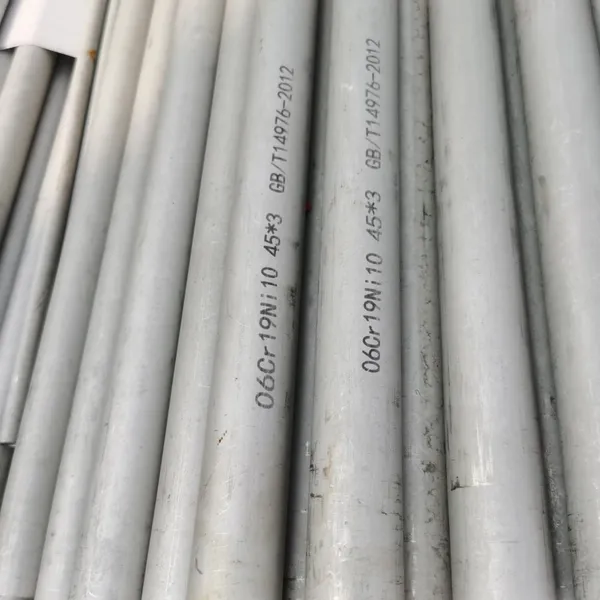
Factory TP309/TP309S/TP309H (UNS30900) Seamless Stainless Steel Pipe and Tube for Boiler BafflesUS$ 8MOQ: 200 Kilograms
-
TP347/TP347H/1.4961/S34709 Seamless Stainless Steel Pipe for UseNegotiableMOQ: 2 Meters
-
China 304 316 Stainless Steel Sanitary Welded Tube Food Grade Sanitary Grade Welded Pipe PolishingNegotiableMOQ: 1 Piece
-
China Manufacture Stainless Steel 316L Ba Seamless Welded Steel Pipe TubesUS$ 1760 - 1860MOQ: 5 Tons
-
316L/1.4405 Seamless Stainless Steel PipeNegotiableMOQ: 2 Meters
-
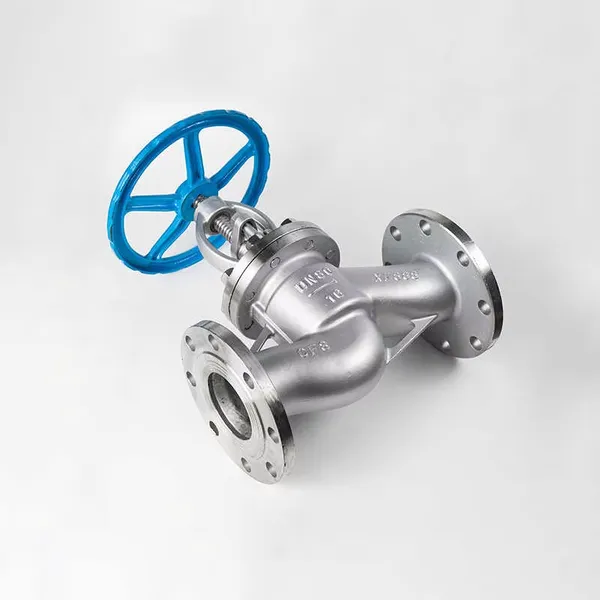
Stainless Steel Globe Valve – High Durability & Corrosion ResistanceNegotiableMOQ: 1 Piece
-
1.4529 Stainless Steel Flat Plate for Chemical Processing EquipmentUS$ 25 - 35MOQ: 1 Kilogram
-
Color Coated Steel Panels for Warehouse Partition Walls (Fireproof Grade)US$ 1 - 1.2MOQ: 50 Kilograms
-
Custom Width (600mm-1250mm) Colored Steel Coil With Scratch ResistanceUS$ 1 - 1.2MOQ: 50 Kilograms
-
0.5mm-3.0mm Colored Coated Steel Sheet With PVDF/Polyester CoatingUS$ 1 - 1.2MOQ: 50 Kilograms
-
JIS G 3322 Compliant Colored Coils With Third-Party Inspection ReportUS$ 1 - 1.2MOQ: 50 Kilograms