
 Business License

What are the reasons for the electrode sticking during the welding process
1. The working surfaces of the two electrodes are not parallel.
When the working surfaces of the two electrodes are not parallel, it will cause the electrode working surfaces to partially contact the part, resulting in an increase in the contact resistance between the electrode and the part, and a decrease in the current of the welding circuit.
When the current is concentrated at the local contact point and the current density at the contact point is greater than the current density of the electrode working surface during normal welding, the temperature of the contact point rises to the welding temperature between the electrode and the part, resulting in the fusion of the electrode and the part.
2. Roughness of the electrode working surface
The electrode working surface does not fit perfectly with the part. Only some protruding parts come into contact with the part. This situation will also cause the two electrode working surfaces to be not parallel, resulting in the sticking of the electrodes.
3. Insufficient electrode pressure
The contact resistance is inversely proportional to the pressure. Insufficient electrode pressure leads to an increase in the contact resistance between the electrode and the part, resulting in an increase in the resistance heat at the contact area, causing the temperature at the contact surface between the electrode and the part to rise to the soldering temperature, thereby forming a fusion connection between the electrode and the part.
4. The water pipe connected to the cooling outlet of the welding gun is reversed or the cooling water circulation is blocked.
If the water pipe connected to the cooling outlet of the welding gun is reversed or the cooling water circulation is blocked, the electrode temperature will rise, which may cause the electrode to fuse and connect with the part during continuous spot welding.
All of the above four situations are likely to cause the electrode to fuse and connect with the part, resulting in the phenomenon of electrode sticking. So, how can we prevent the occurrence of this electrode sticking phenomenon?
(1) Polish the electrode tips to ensure that the working surfaces of the two electrodes are parallel and there are no rough defects on the surfaces. The welding procedure can be selected as the polishing procedure (without current output), and the parallelism of the two electrode working surfaces can be observed by using an air welding gun.
(2) In the polishing state, perform 5 to 10 welding passes with the air welding gun, and press the working surfaces of the two electrodes to increase the contact area within the specified electrode head diameter range and improve the surface hardness.
(3) Heat the working surfaces of the electrodes with an oxygen-acetylene flame to form an oxide layer (oxidation zone) on the electrode working surfaces. This can increase the melting point of the electrode working surfaces and destroy the welding properties between the electrode and the part.
(4) Apply the red lead prepared by the welder to the electrode working surfaces to disrupt the welding properties between the electrode and the part.
(5) Adjust the electrode pressure and use welding parameters with high pressure, large power supply, and short power-on time.
(6) Regularly clean the cooling water pipes to ensure the flow rate of the cooling water.
All of the above are measures that can solve the problem of electrode sticking that occurs during the welding process.
Recently Posted
-
Does the stainless steel welded pipe have specific temperature requirements during the solution heat
January 20, 2026Solution heat treatment involves heating stainless steel to a high temperature and then rapidly cooling it to achieve an oversatur Read More
 -
Can stainless steel welded pipes be made into thick pipes
January 20, 2026With the improvement of high-quality welding technology and increasingly strict weld inspection, the application fields of s Read More
 -
Three types of commonly available food-grade stainless steel on the market
January 20, 2026The common food-grade stainless steel pipes are mainly composed of iron, chromium and carbon and other elements. Household stainle Read More
 -
What are the requirements for stainless steel welding pipe production equipment
January 20, 2026As is well known, stainless steel welded pipes have been widely used in various industries such as machinery, chemical engineering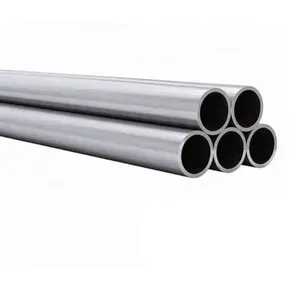 Read More

Contact Us
Recommended Products
-
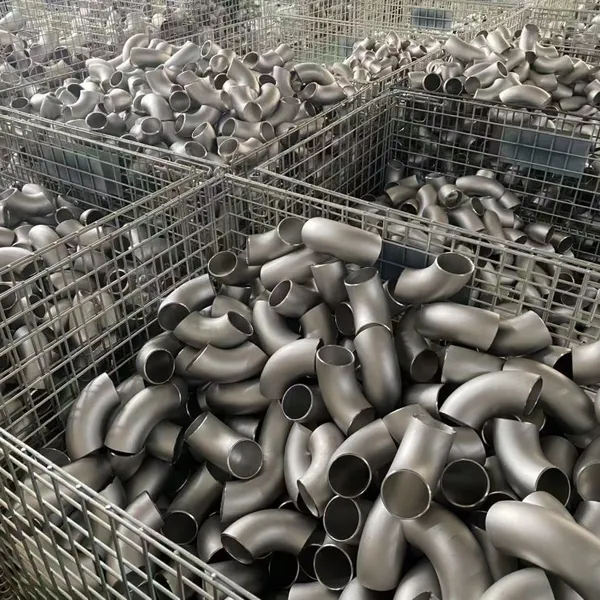
 Stainless Steel Elbow Welded Elbow 45/90/180-degree Seamless Pressed Elbow Long Radius Elbow Short Radius Elbow WholesaleNegotiableMOQ: 1 Piece
 -
316L/1.4405 Seamless Stainless Steel PipeNegotiableMOQ: 2 Meters
-
310s 440 Seamless Sanitary Piping Price 321 904l 201 20 Inch Seamless Steel Pipe A554 Stainless Steel PipeNegotiableMOQ: 1 Piece
-
China Brand ZZ Wholesale 304L 316 316L Welded Austenitic Piping Stainless Steel Pipe SupplierNegotiableMOQ: 2 Meters
-
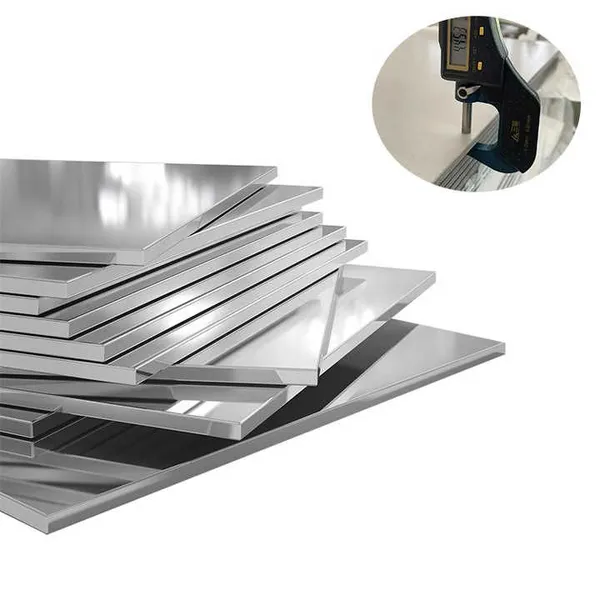
304/304L/316/409/410/904L/2205/2507/310H Premium Stainless Steel Sheets Supplier Custom Sizes & FinishesUS$ 1.72MOQ: 1 Ton
-
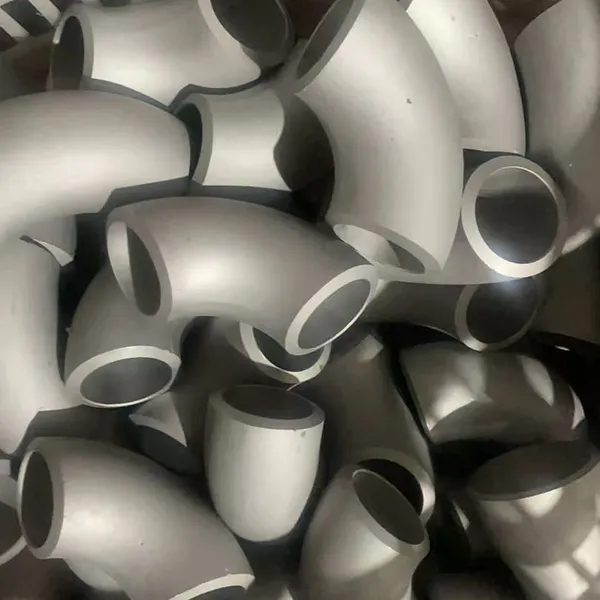
Stainless Steel ASME B16.9 Sch 45 90 Degree Pipe Fittings ElbowUS$ 8MOQ: 1 Piece
-
China Brand Zz 304L 316/316L GB En JIS Standard Thin Wall Welded Stainless Steel Water Pipe/TubeNegotiableMOQ: 2 Meters
-
BA 4 Inch 6 Inch 8 Inch 201 304 304L 316 316L Welded Seamless Stainless Steel PipeNegotiableMOQ: 2 Meters
-
ASME B36.19M-2004 SCH40S Stainless Steel Pipe - Complies With EU 3.1 CertificationUS$ 1 - 650MOQ: 1 Piece
-
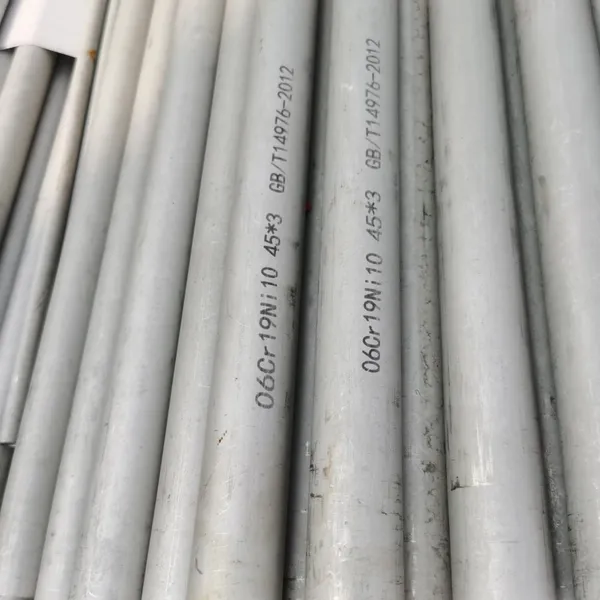
Factory TP309/TP309S/TP309H (UNS30900) Seamless Stainless Steel Pipe and Tube for Boiler BafflesUS$ 8MOQ: 200 Kilograms
-
TP347/TP347H/1.4961/S34709 Seamless Stainless Steel Pipe for UseNegotiableMOQ: 2 Meters
-
China 304 316 Stainless Steel Sanitary Welded Tube Food Grade Sanitary Grade Welded Pipe PolishingNegotiableMOQ: 1 Piece
-
China Manufacture Stainless Steel 316L Ba Seamless Welded Steel Pipe TubesUS$ 1760 - 1860MOQ: 5 Tons
-
316L/1.4405 Seamless Stainless Steel PipeNegotiableMOQ: 2 Meters
-
Stainless Steel Globe Valve – High Durability & Corrosion ResistanceNegotiableMOQ: 1 Piece
-
1.4529 Stainless Steel Flat Plate for Chemical Processing EquipmentUS$ 25 - 35MOQ: 1 Kilogram
-
Color Coated Steel Panels for Warehouse Partition Walls (Fireproof Grade)US$ 1 - 1.2MOQ: 50 Kilograms
-
Custom Width (600mm-1250mm) Colored Steel Coil With Scratch ResistanceUS$ 1 - 1.2MOQ: 50 Kilograms
-
0.5mm-3.0mm Colored Coated Steel Sheet With PVDF/Polyester CoatingUS$ 1 - 1.2MOQ: 50 Kilograms
-
JIS G 3322 Compliant Colored Coils With Third-Party Inspection ReportUS$ 1 - 1.2MOQ: 50 Kilograms